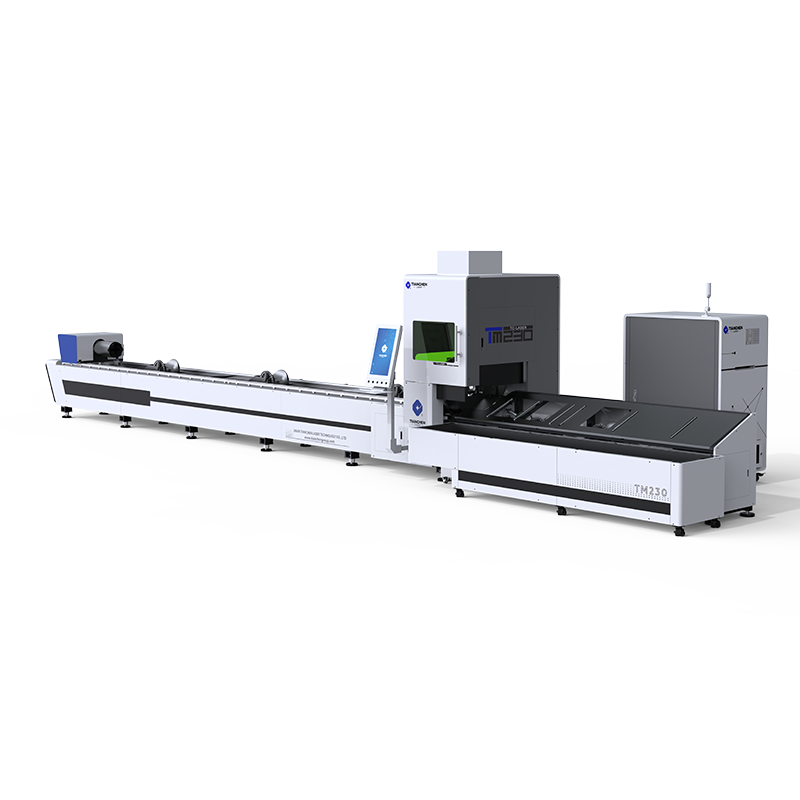
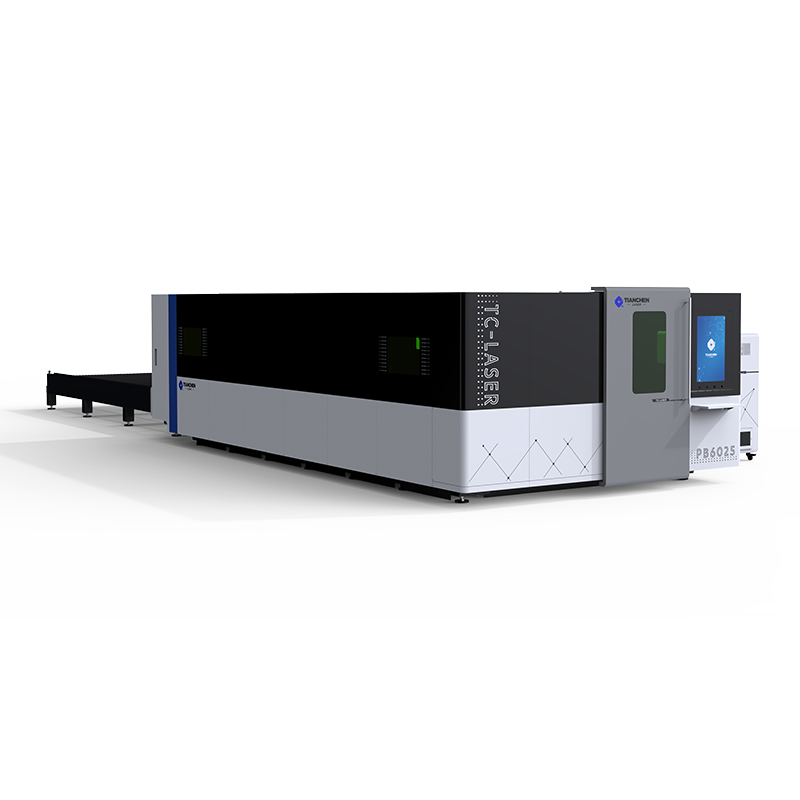
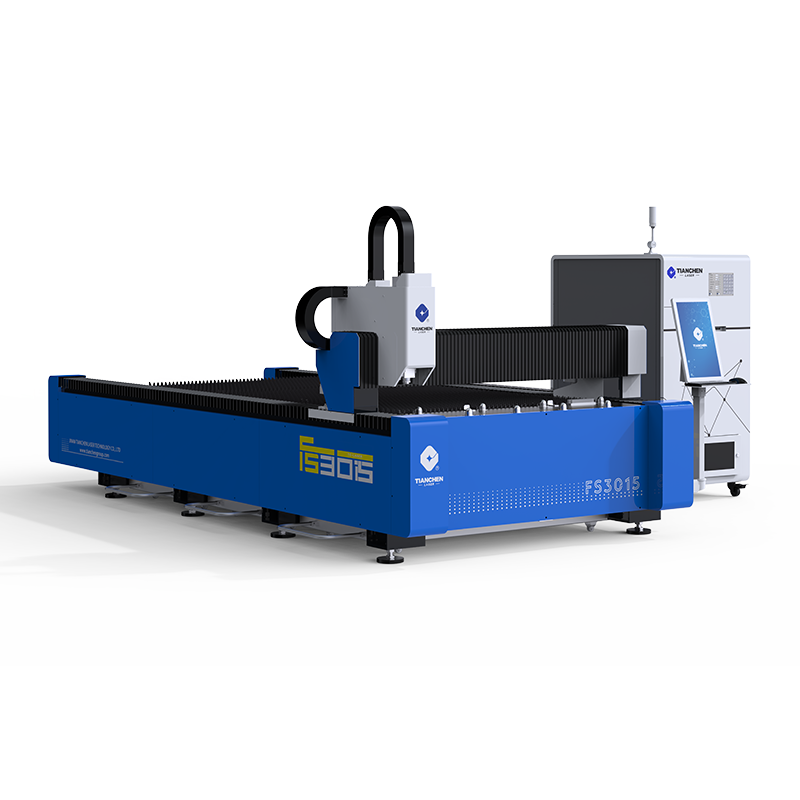
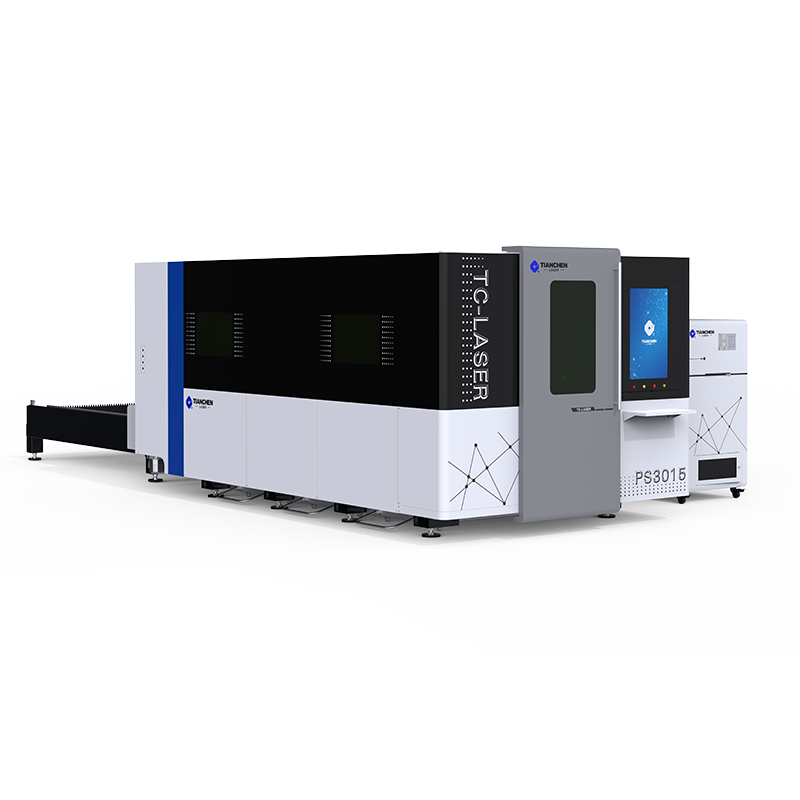
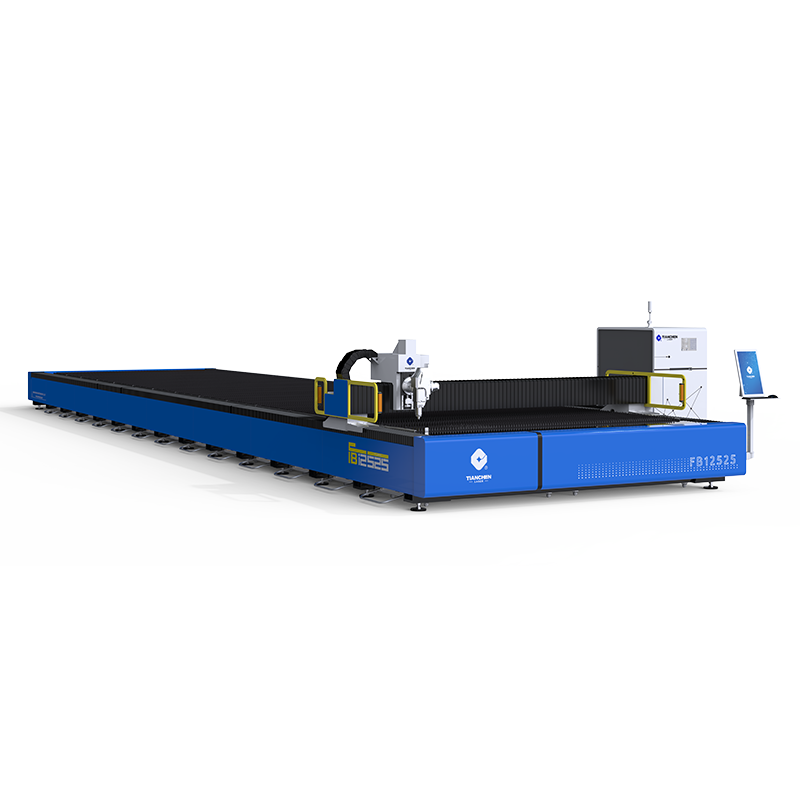
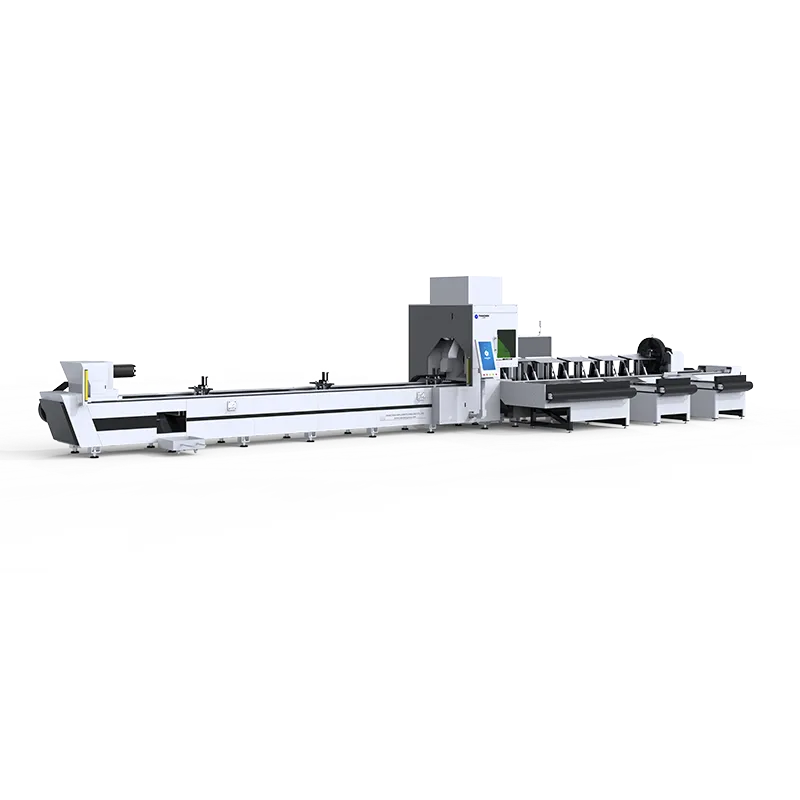
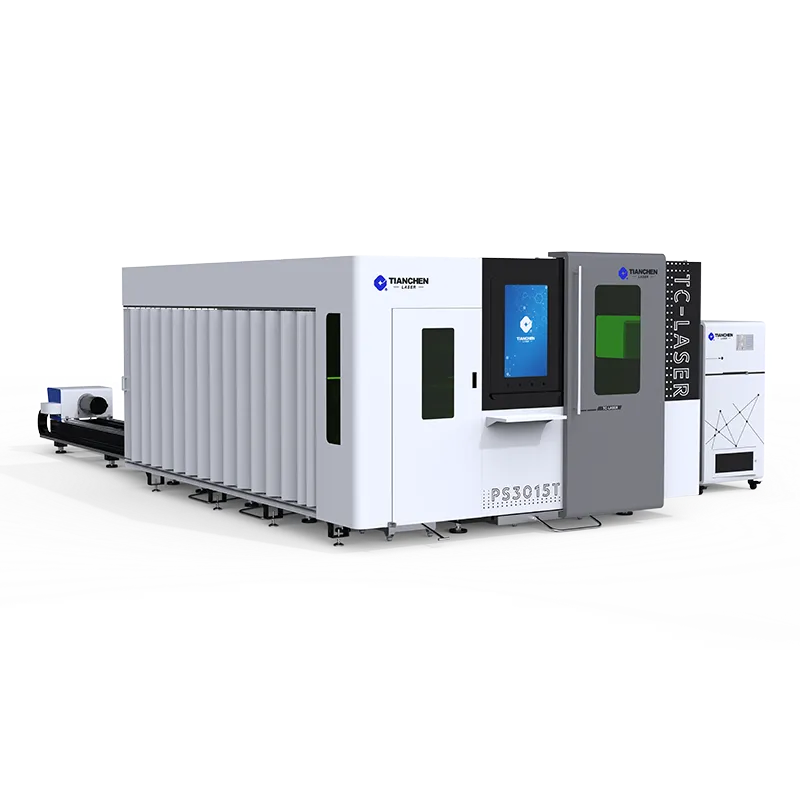
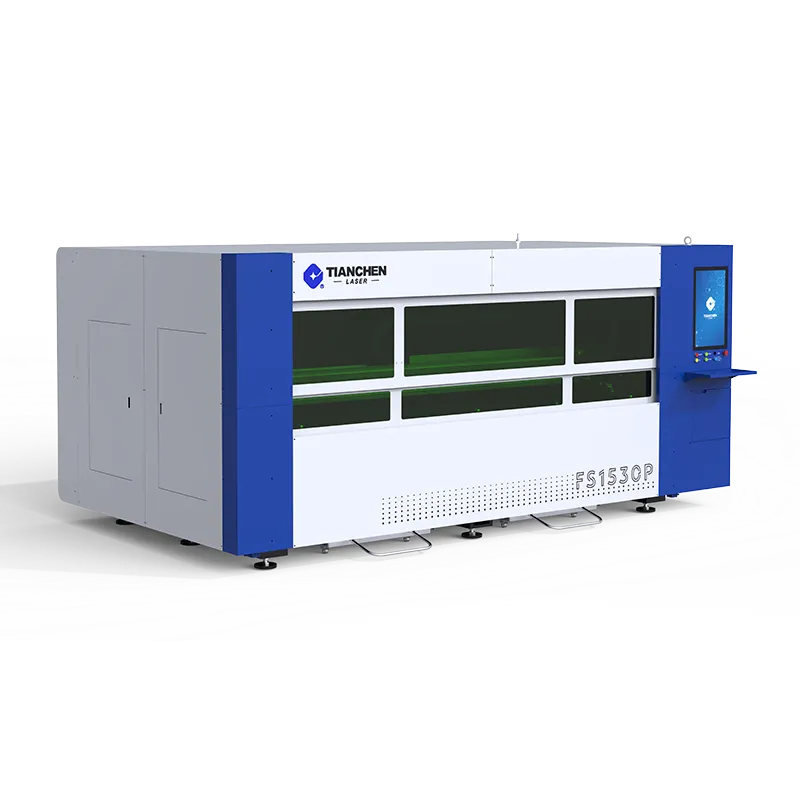
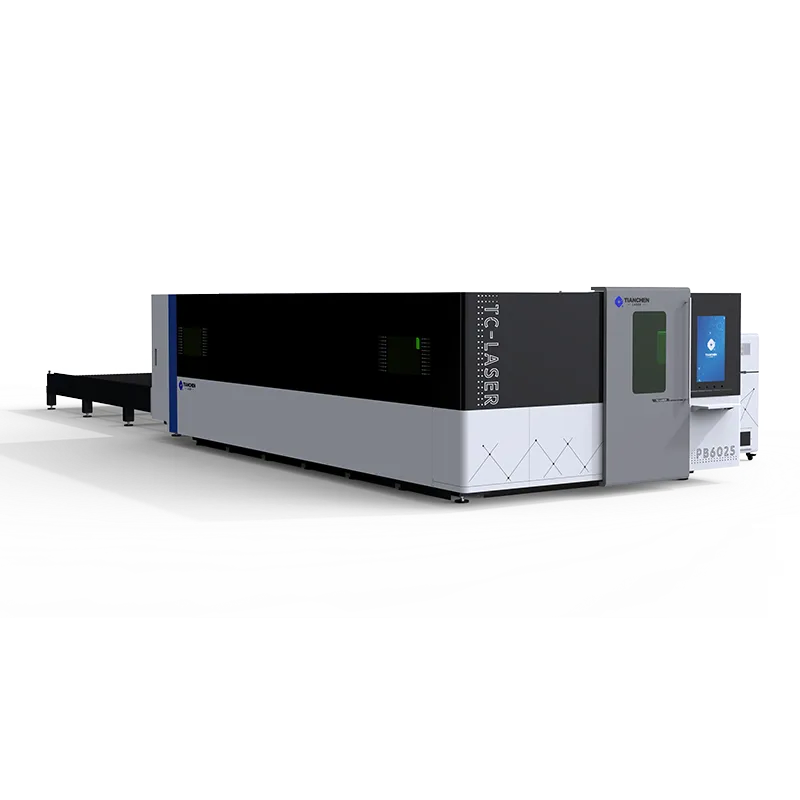
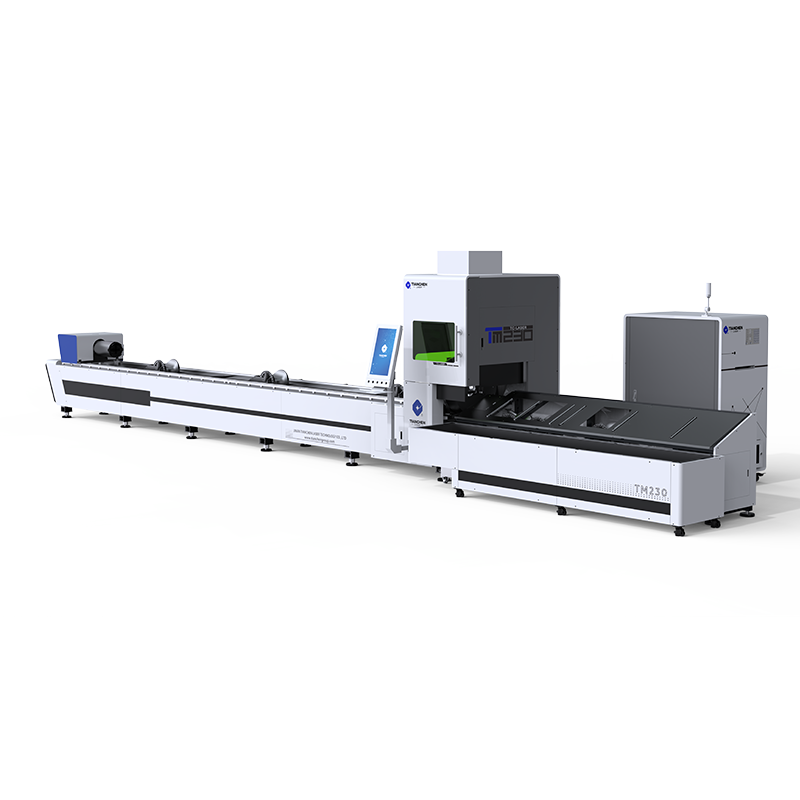
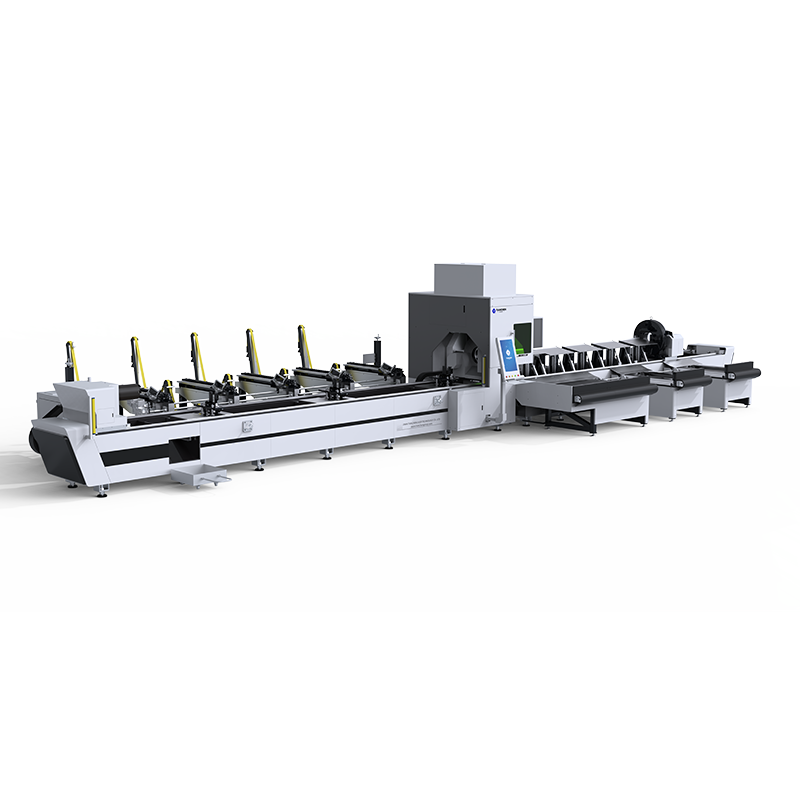
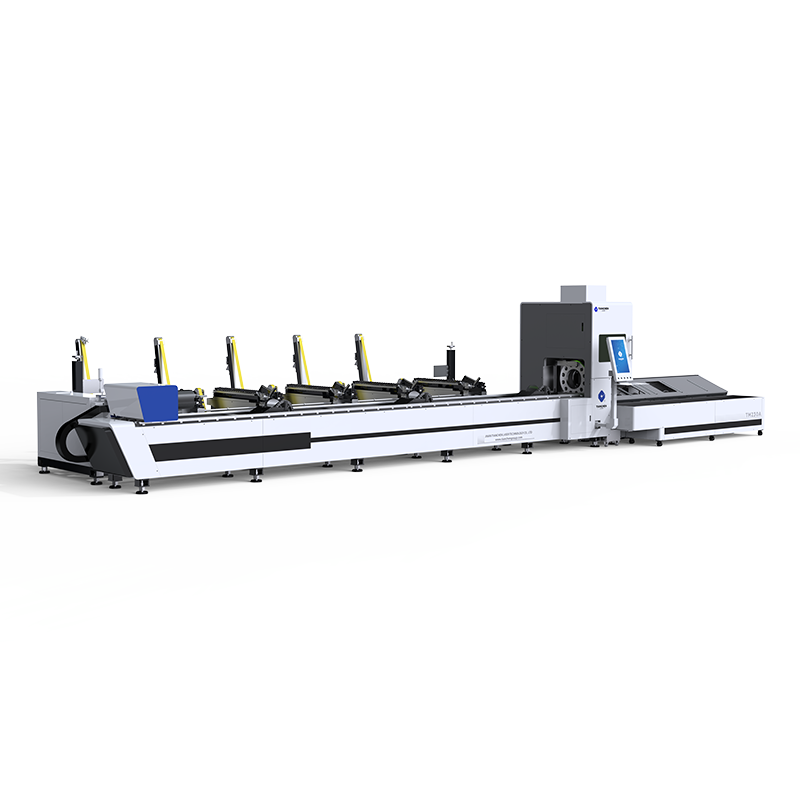
Ultra-fast laser technology has fundamentally redefined the boundaries of precision metal processing. At Tianchen Laser, our development of Ultra-Fast Lasers for Rapid Metal Ablation is a direct response to the evolving demands of high-tech industries for cleaner, faster, and more precise material removal. This process, distinct from traditional laser cutting or welding, involves using laser pulses of extremely short duration (picosecond or femtosecond) to remove microscopic layers of metal with minimal thermal impact.
The principle of "cold ablation" is central to its superiority. When an ultra-short pulse hits the metal surface, its intense energy causes the material to transition directly from solid to plasma, bypassing the liquid melt phase. This rapid sublimation violently expels the material, leaving behind a cavity with sharp, clean edges and virtually no heat-affected zone. This is crucial for applications where thermal stress, oxidation, or melting would compromise the component's function or structural integrity.
Our systems unlock transformative applications across diverse sectors. In the electronics industry, they enable precise ablation of thin conductive layers (such as ITO or copper) on flexible circuits and PCBs without damaging the polymer substrate, facilitating the production of smaller, more reliable devices. The aerospace sector utilizes this technology for delicate tasks like removing thermal barrier coatings from turbine blades for inspection and repair, or for creating micro-surface structures that improve fuel efficiency. In medical device manufacturing, the ability to cleanly ablate biomaterials like nitinol or stainless steel allows for the fabrication of intricate features on stents and surgical tools with exceptional biocompatibility and strength. Additionally, the automotive industry employs rapid ablation for precision marking of sensitive components and for surface texturing to enhance bonding in lightweight composite structures.
Choosing Tianchen Laser for this advanced technology means partnering with an innovator backed by substantial industrial experience. We understand that integrating such a sophisticated tool into a production environment requires more than hardware. Our solutions encompass robust system design, user-friendly software for parameter optimization, and comprehensive validation to ensure the process meets your exact specifications for throughput, quality, and cost-effectiveness. We stand ready to propel your manufacturing capabilities into a new era of precision and efficiency with our reliable, high-performance ultra-fast laser ablation systems.
5. FAQ
Main Title: Frequently Asked Questions: Ultra-Fast Laser Ablation
FAQ 1: How fast is "rapid" in ultra-fast laser ablation, and what affects processing speed?
Question: What is the actual processing speed, and what factors influence it?
Answer: The term "rapid" refers to the exceptionally high speed of material removal per pulse and the overall throughput of the system. Actual processing speed is measured in areas per second (e.g., mm²/s) and depends on several key factors: the laser's pulse repetition rate (kHz to MHz), the scan speed of the galvanometer mirrors, the desired ablation depth per pass, and the specific metal's properties. For instance, ablating a thin gold coating will be faster than removing a thicker layer of hardened steel. Our engineers work closely with you to optimize all parameters—including using polygon scanners for the highest linear speeds where applicable—to achieve the maximum throughput for your specific application, often completing tasks orders of magnitude faster than traditional mechanical or longer-pulse laser methods while delivering superior quality.
FAQ 2: Can ultra-fast lasers handle all types of metals, including reflective ones?
Question: Is this technology effective for highly reflective metals like copper or aluminum?
Answer: Yes, our ultra-fast lasers are highly effective on reflective metals, which are challenging for continuous-wave or longer-pulse lasers. The secret lies in the pulse intensity. The extremely high peak power density of our ultra-short pulses (often exceeding several gigawatts per square centimeter) causes the metal surface to ionize almost instantly upon impact, forming a dense plasma. This plasma is highly absorptive, effectively coupling the laser energy into the material regardless of its initial reflectivity. This allows for stable, controlled, and efficient ablation of copper, aluminum, gold, and other alloys without the process instability typical of other laser types. We provide parameter sets optimized for different material groups to ensure consistent results from the start.

 EN
EN