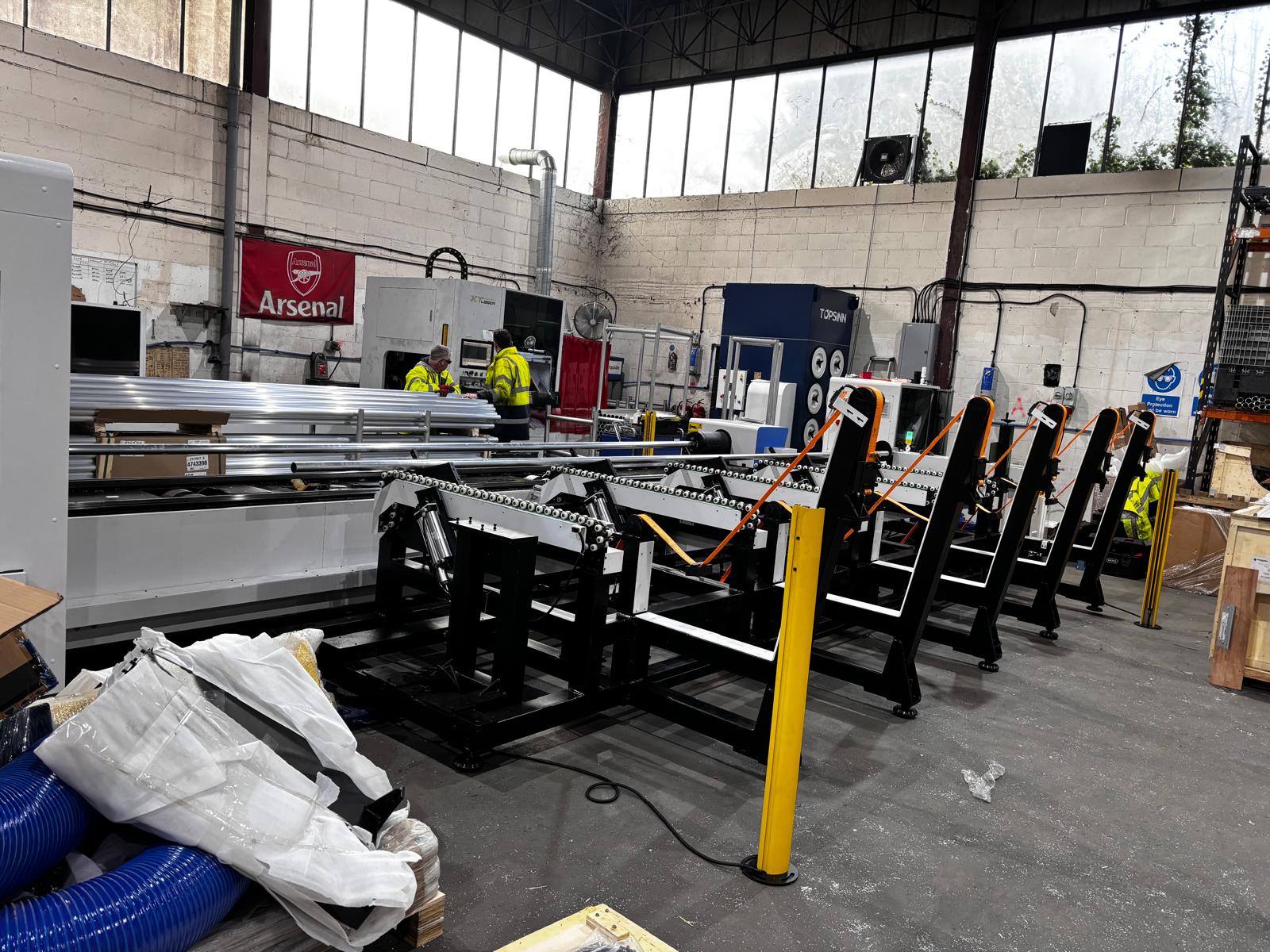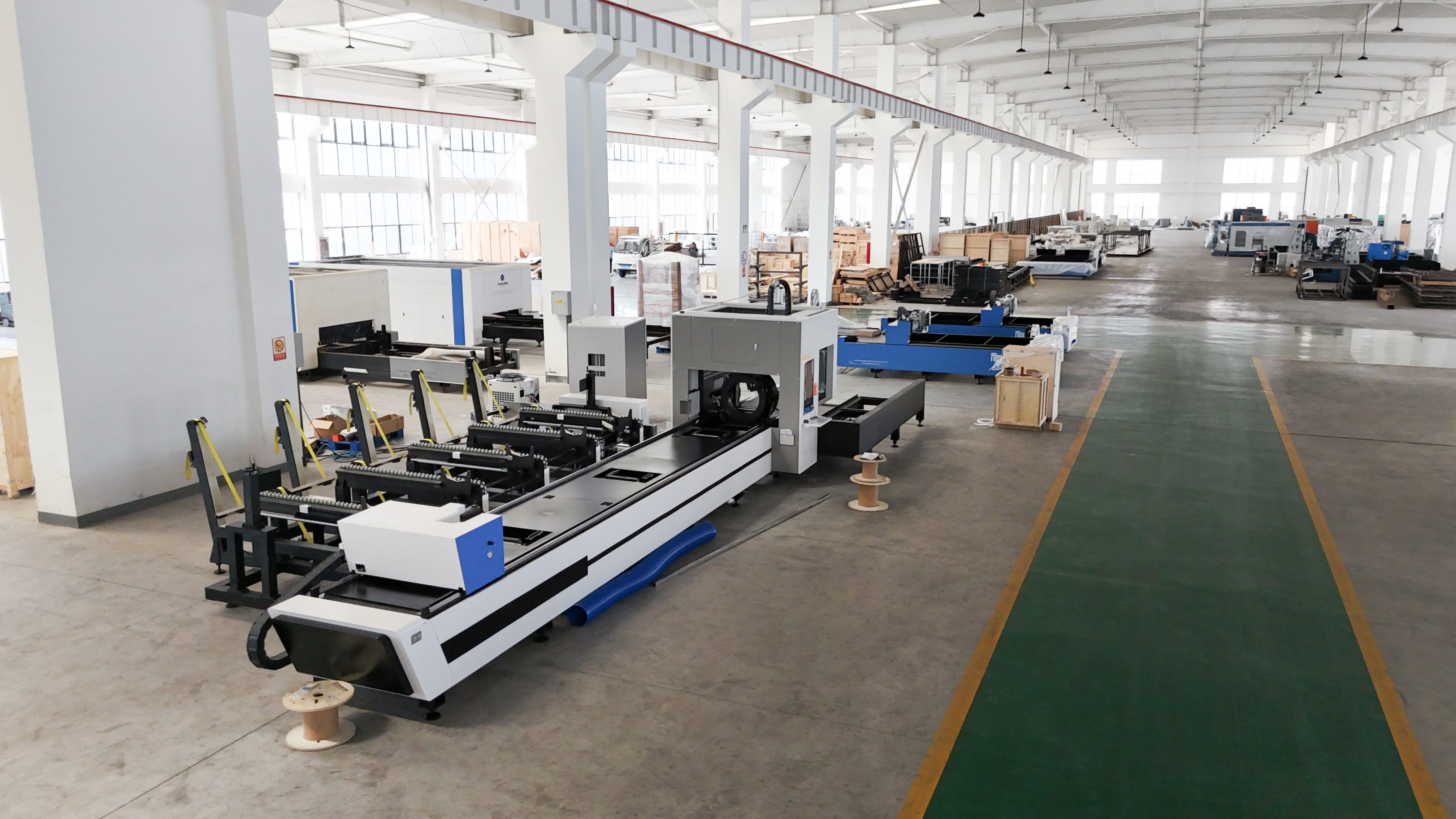
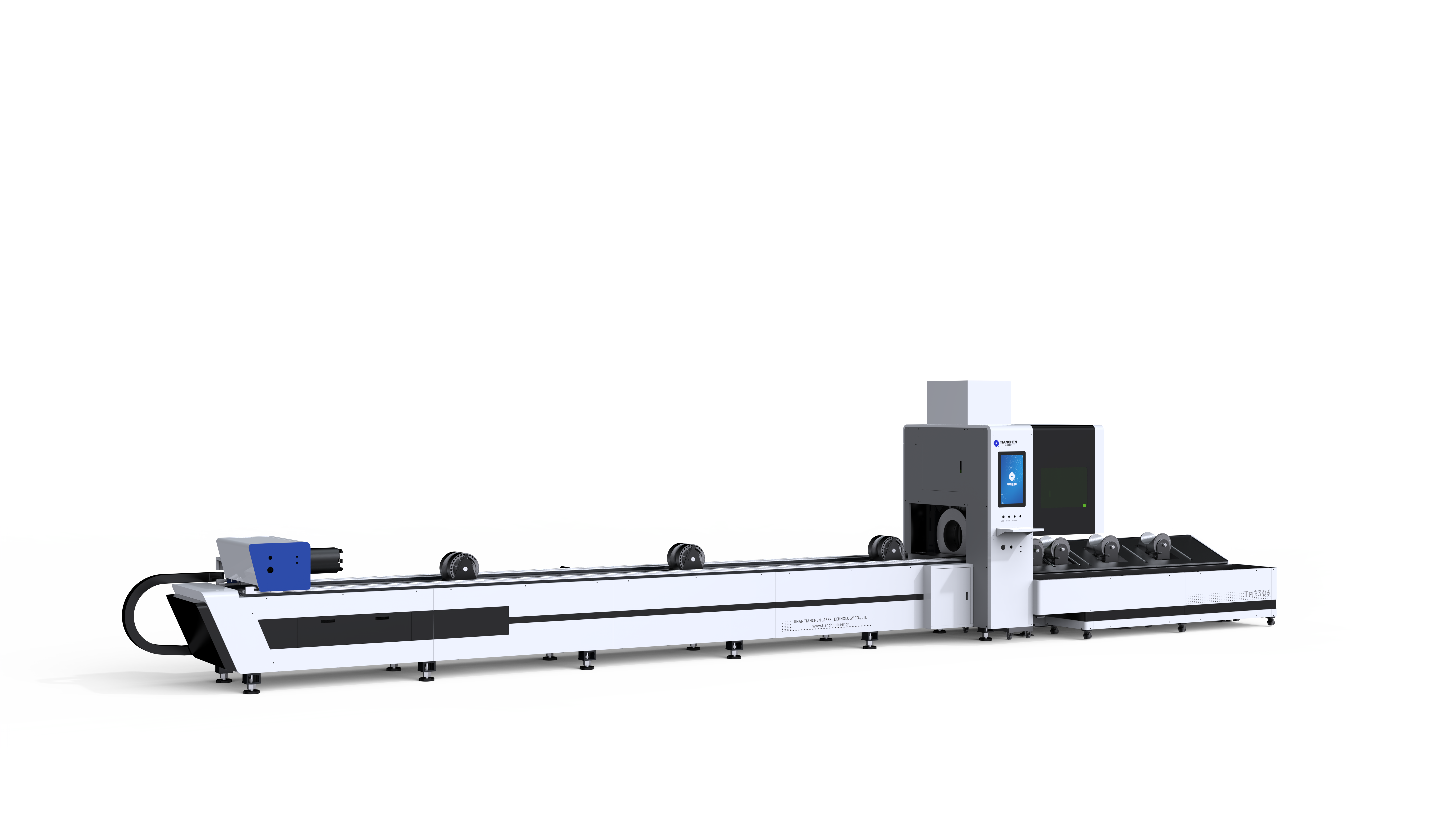
Tube laser cutting technology has revolutionized the processing of hollow sections by enabling complex geometries – including holes, slots, miters, and contours – to be cut in a single operation without multiple setups or dedicated tooling. This process handles round tubes (10-300mm OD), square/rectangular tubes (10-300mm width), and custom profiles (C-channel, angle, oval) with lengths up to 8 meters. A key advantage is the ability to cut at any rotational angle: a rotary chuck indexes the tube while a 3D laser cutting head moves along the axis, achieving angular positioning accuracy of ±0.3 degrees and axial precision of ±0.1mm. For a automotive exhaust system manufacturer, tube laser cutting reduced production time for 5,000 downpipes by 65%: each 2.5m tube received 6 slots, 4 holes, and a 45-degree mitered end in 45 seconds, versus 4 minutes using a saw, drill press, and milling machine. A case study from the fitness equipment industry shows that tube laser cutting of 50mm square steel tubes for weight machine frames eliminated the need for 12 separate drilling jigs, reducing tooling costs by $18,000 annually. The process accommodates materials including carbon steel (up to 10mm wall thickness), stainless steel (up to 8mm), aluminum (up to 12mm), and copper alloys (up to 5mm). For structural applications, tube laser cutting produces beveled ends (30°, 45°, or custom angles) for welding prep, meeting AWS D1.1 standards. An oil and gas supplier used tube laser cutting to process 600 schedule 40 pipes (6m length, 168mm OD) with beveled ends and alignment holes, achieving 100% weld acceptance on first inspection. Another innovative application is “rotary piercing” – cutting holes that wrap around the tube circumference, such as helical slots for augers or drainage perforations for water treatment screens. A manufacturer of agricultural augers cut 2,000 tubes with 4-start helical slots (12mm wide, 3mm deep) at 200mm pitch, eliminating a costly milling operation. The technology also supports “end forming” where the laser cuts a complex profile at the tube end (e.g., tab-and-slot, or a radiused transition), allowing tubes to interlock without additional brackets. For high-volume production (over 100,000 parts/year), automated loading systems process 6-meter bars from a magazine, with cycle times under 20 seconds per cut. Prototype batches as small as 1 piece are economically viable since no hard tooling is required. With an annual tube laser cutting capacity exceeding 500,000 meters of processed tube, and a global service network across 100 countries, manufacturers can rely on fast turnaround and consistent quality. To obtain a quote for your tube specifications – including diameter, wall thickness, material, cut types, and annual volume – contact the provider with your CAD or dimensional drawings.