Industrial Laser Welding Machines | High-Speed, Precision & ROI

All Categories

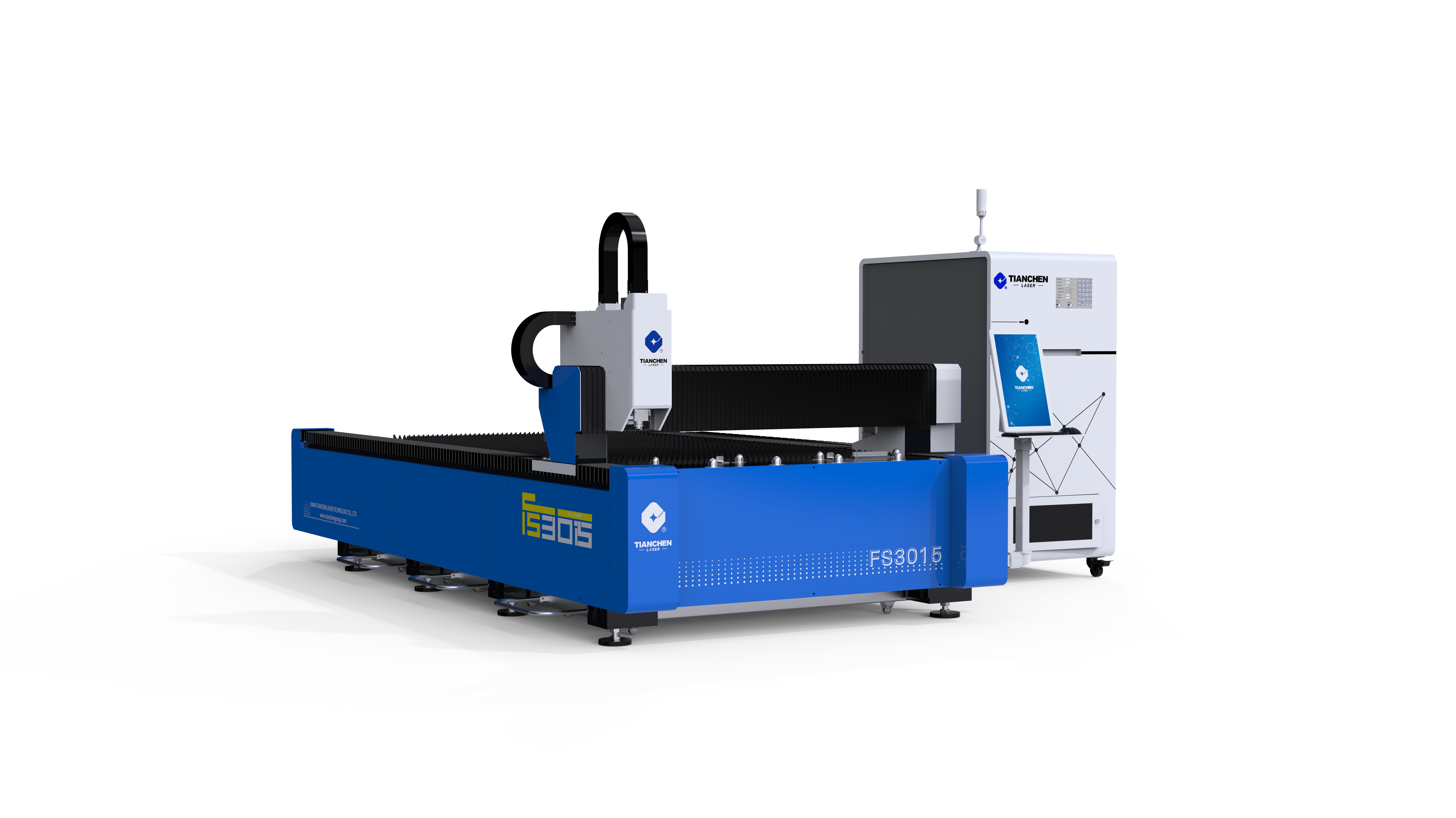
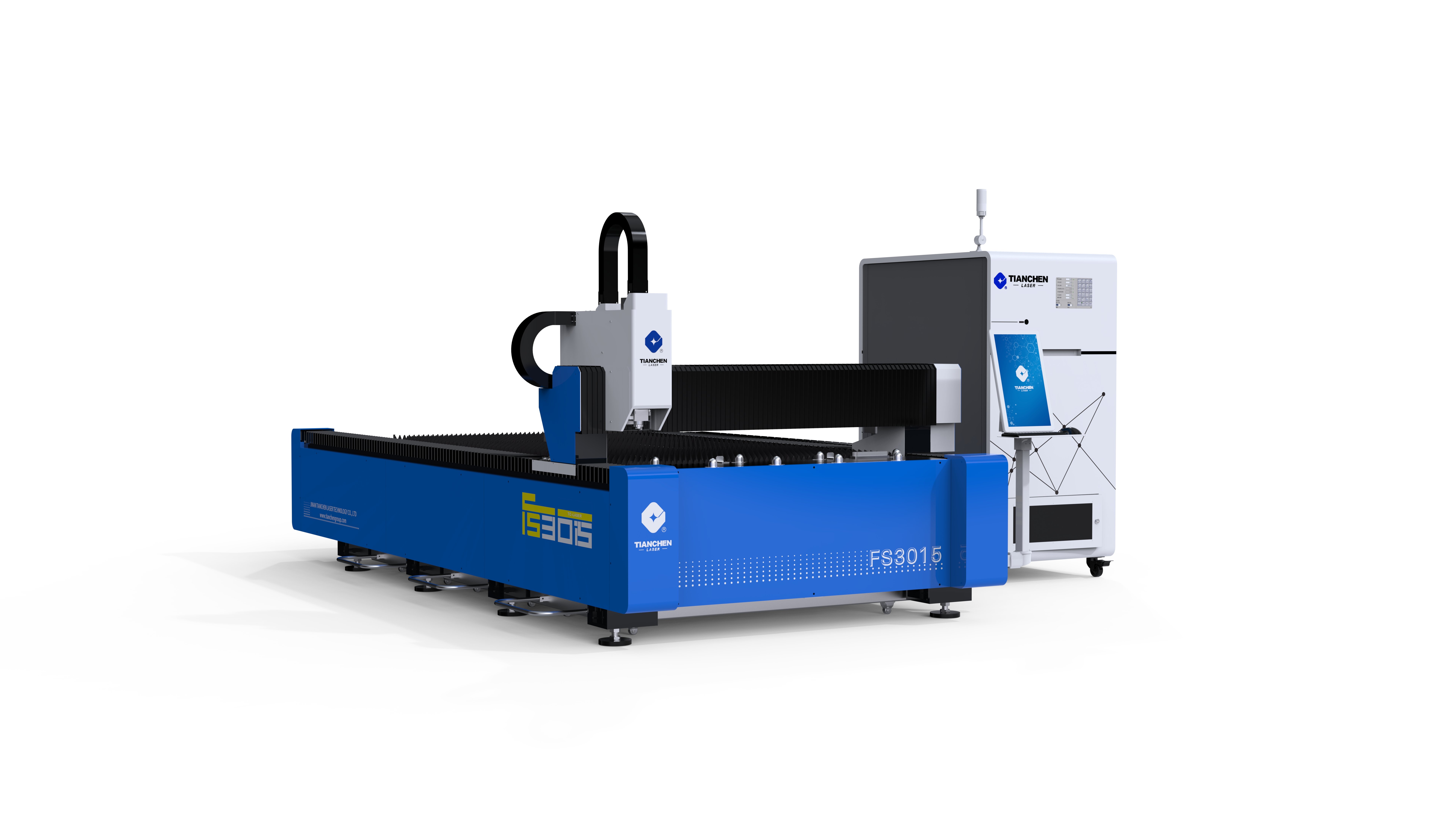
Reliable Fibre Welder with High Energy Density for Industrial Metal Welding

Our fibre welder adopts advanced fiber laser technology, featuring high energy density and a welding speed of 50-100mm/s. It has a robust build, easy operation and consistent performance for various metal welding tasks. With an annual production capacity of over 10,000 units, we offer fast global delivery and customized solutions, applicable to agricultural machinery, heavy machinery and metal processing industries.
Get A Quote

Advantages of the product

Industrial-Grade Fiber Laser Sources Ensure Deep Penetration and High-Speed Welding Across Diverse Metal Alloys

Utilizing advanced fiber laser technology, these machines provide high power density for deep penetration with a narrow heat-affected zone, drastically reducing thermal distortion and post-processing needs. Welding speeds reach up to 10 meters per minute on thin materials while maintaining integrity on reflective metals like aluminum and copper. Photoelectric conversion efficiency exceeds 30%, lowering energy consumption in high-volume production. The long-life diode-pumped source ensures stable power output for tens of thousands of hours, eliminating downtime associated with traditional lamp or crystal replacement. This robust performance is critical for industries requiring consistent seam quality in automotive components, battery trays, and precision medical device housings where reliability and repeatability are non-negotiable manufacturing metrics.

Superior Beam Delivery with Galvanometer Scanner Options for Remote Welding and High Throughput Applications

Optional 2D and 3D galvanometer scanning heads utilize rapidly tilting mirrors to position the beam, eliminating physical head travel and reducing idle time between weld spots by up to 80%. This remote welding technique executes hundreds of stitch welds per minute on large components like automotive seat frames or heat exchanger plates. The scan field covers up to 200mm x 200mm while software compensates for optical path variations to maintain consistent spot size and focus depth. This technology is particularly effective for welding copper hairpins in electric motor stators, where minimal spatter prevents electrical shorts. High throughput capability directly enhances manufacturing return on investment under tight takt time constraints, making it ideal for high-volume production environments.

Related products

Tianchen Laser's fibre welder is an advanced welding equipment driven by fiber laser technology, integrating the advantages of high beam quality, high electro-optical conversion efficiency, stable performance and low maintenance cost, which is a high-quality choice for modern industrial precision welding and high-efficiency welding. Fiber laser, as the core component of the fibre welder, has a longer service life, with key components able to reach up to 100,000 hours of service life, which greatly reduces the equipment replacement cost and downtime for customers, and is more suitable for long-term continuous operation in industrial production lines. Compared with traditional YAG laser welders and argon arc welding equipment, our fibre welder has a more concentrated laser spot, smaller heat-affected zone, and can achieve higher welding accuracy and better weld formation when welding various metal materials, especially for thin metal parts, precision components and materials that are easy to deform, showing obvious technical advantages. The equipment is widely used in many fields such as electronic information, 3C electronics, auto parts, hardware tools, medical devices, new energy, etc. In the 3C electronics industry, it is used for welding of precision parts such as mobile phone casings, battery connectors, and sensor components, with fast welding speed and high yield, meeting the high-precision and high-efficiency processing requirements of the electronics industry; in the new energy industry, it is suitable for welding of lithium battery shells, pole pieces and busbars, ensuring the air tightness and structural stability of battery components, and supporting the automated production of new energy battery production lines; in the hardware processing industry, it can realize high-efficiency welding of various hardware accessories, improving production efficiency and product quality. Our fibre welder has a user-friendly operation interface, simple and convenient adjustment, and can realize flexible switching of welding modes such as spot welding, continuous welding, overlap welding, and seal welding, adapting to diverse processing needs. Relying on the company's strong R&D strength and large-scale intelligent manufacturing capabilities, we continuously optimize the performance of fibre welder products, improve the stability and applicability of the equipment, and provide customers with high-performance, low-cost fiber welding equipment and professional technical support to help customers improve welding processing efficiency and product quality.

Common problem

What is the typical maintenance schedule for an industrial laser welding machine?

Routine maintenance primarily involves cleaning the protective glass window on the welding head and inspecting the chiller water level and conductivity weekly. No lamp or crystal replacement is needed with fiber lasers. The cooling system filter requires replacement every 6 months. A major service interval for air filters and optics alignment check is recommended every 12 to 18 months or 8,000 operating hours. The system includes alerts for preventive maintenance tasks.
Laser welding is critical for joining copper and aluminum busbars, welding battery tabs to terminals, and sealing prismatic or cylindrical cell casings. The low heat input prevents damage to sensitive internal battery chemistry and separator films. High-speed remote scanner welding achieves the thousands of connections required per battery pack within the required cycle time, ensuring low electrical resistance and long-term pack reliability.
The selection is based on material type and thickness. For general sheet metal fabrication up to 3mm steel, 1000W to 1500W is sufficient. For deep penetration welding of structural components or high-volume aluminum welding, 2000W to 3000W is recommended. For copper welding in EV applications, 1500W with adjustable beam mode is ideal. Application engineers perform sample processing with customer-provided materials to confirm the optimal power configuration.

Related article

Understanding the Advantages of Fiber Laser Cutting Machines for Sheet Metal

13

Jan

Understanding the Advantages of Fiber Laser Cutting Machines for Sheet Metal

1. Introduction: The Critical Role of Sheet Metal Cutting in Modern Manufacturing Sheet metal processing is a cornerstone of industries ranging from automotive manufacturing to construction machinery, agricultural equipment, and heavy machinery prod...
View More
Industrial Laser Cutting Machine: Top Applications

13

Jan

Industrial Laser Cutting Machine: Top Applications

1. Introduction: Laser Cutting Technology Leads the Transformation of Industrial Manufacturing Amid the global wave of manufacturing transitioning towards high precision, efficiency, and intelligence, industrial laser cutting machines have become i...
View More
Metal Laser Cutting: Precision and Efficiency

13

Jan

Metal Laser Cutting: Precision and Efficiency

1. The Core Value of Metal Laser Cutting: Precision Meets Efficiency In the modern manufacturing landscape, metal laser cutting has emerged as a transformative technology, with precision and efficiency standing as its irreplaceable core advantages....
View More
Why Investing in a Fiber Laser Can Boost Your Production Efficiency

13

Mar

Why Investing in a Fiber Laser Can Boost Your Production Efficiency

In the fast-paced world of modern manufacturing, production efficiency directly determines a business’s competitiveness. As industries such as automotive manufacturing, heavy machinery, and construction continue to evolve, the demand for high...
View More

Customer Reviews

Michael O'Reilly
Robotic Laser Welding Cell Solved Our Copper Busbar Porosity Challenges

Welding thick copper busbars for switchgear was a nightmare with resistance welding. The laser machine with wobble function eliminated 99% of the porosity issues we had previously. The integration with our Fanuc robot was straightforward and the open communication protocol made I/O mapping simple. Our electrical conductivity test results are now best in class.

Thomas Clark
Significant Reduction in Argon Gas Consumption and Welding Fume

Compared to our old MIG robots, the laser uses a much finer stream of shielding gas and produces about 80% less smoke and spatter. Our air filtration system isn't working nearly as hard, and the welders report much better air quality in the bay. The energy savings on the chiller versus a large transformer welder are also noticeable on the monthly utility bill.

Get a Free Quote

Our representative will contact you soon.
Email
Mobile/Whatsapp
Name
Company Name
Message
0/1000
Durable Construction and Rigorous Manufacturing Standards Originating from a 1995-Established Intelligent Equipment Base

Durable Construction and Rigorous Manufacturing Standards Originating from a 1995-Established Intelligent Equipment Base

The structural integrity reflects decades of engineering refinement with gantry and machine beds constructed from heavy-duty cast iron or stress-relieved welded steel. This provides a thermally stable, vibration-dampened foundation essential for maintaining micron-level focus during continuous multi-shift operation. Stringent statistical process control during assembly ensures component quality at the intelligent manufacturing base. Critical optics reside in sealed, pressurized enclosures protecting against industrial dust, moisture, and fumes. The oversized industrial cooling system features redundant safeguards to prevent thermal drift during extended shifts. This robust hardware engineering withstands demanding production environments and is deployed in over 100 countries globally, ensuring long-term reliability and stable performance under rigorous factory conditions.
Comprehensive Global Service Network and Application Support Spanning Over 100 Countries

Comprehensive Global Service Network and Application Support Spanning Over 100 Countries

With a presence in over 100 countries, the support infrastructure is extensive and responsive. Application engineers conduct feasibility studies using customer-provided CAD models and material samples to recommend optimal welding strategies prior to purchase. After installation, remote machine access enables immediate diagnostic review and parameter adjustments without travel delays. The global logistics network ensures expedited delivery of proprietary consumables, minimizing Mean Time To Repair. Localized training programs certify operator proficiency in safety protocols and advanced programming functions. This customer-centered approach mitigates risks associated with implementing high-tech capital equipment and ensures the laser welding machine maintains peak productivity throughout its operational lifecycle, supported by a reliable international network.
WhatsApp WhatsApp Weixin Weixin
Weixin
Email Email Facebook Facebook Linkedin Linkedin TopTop