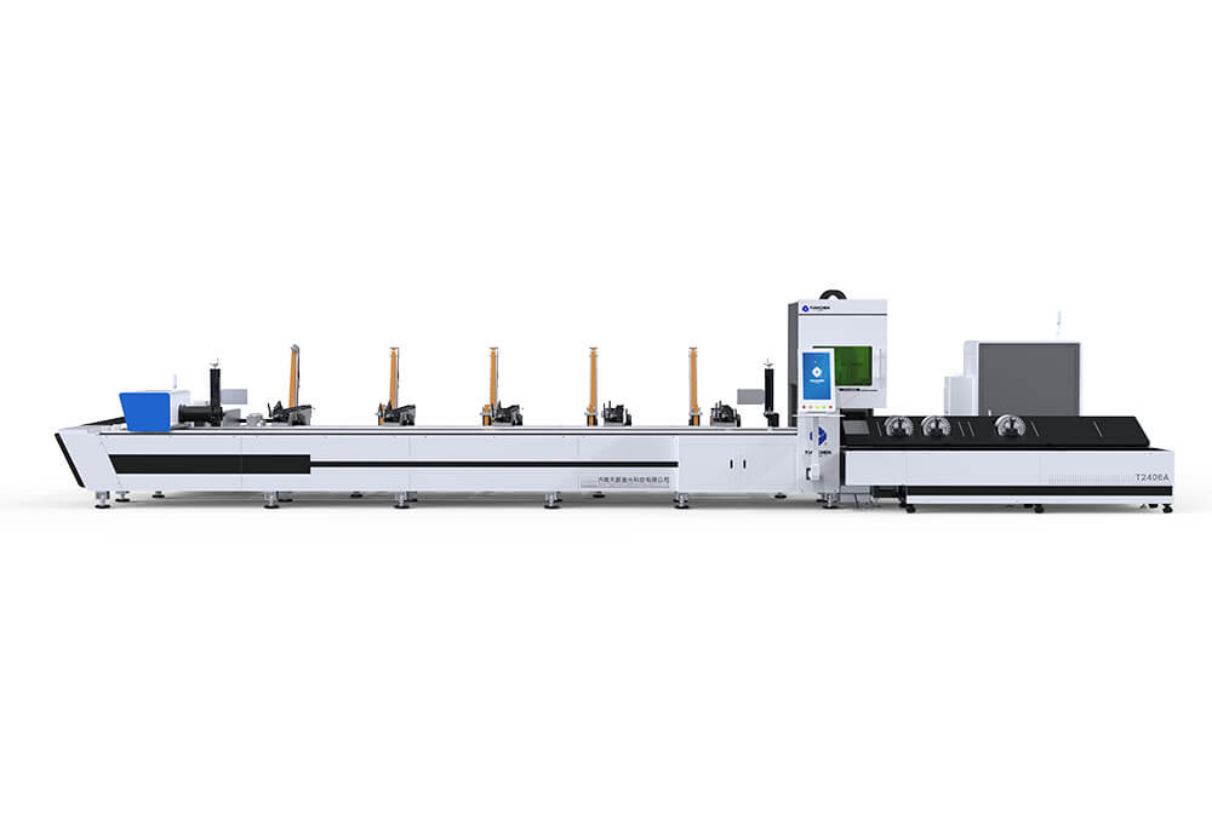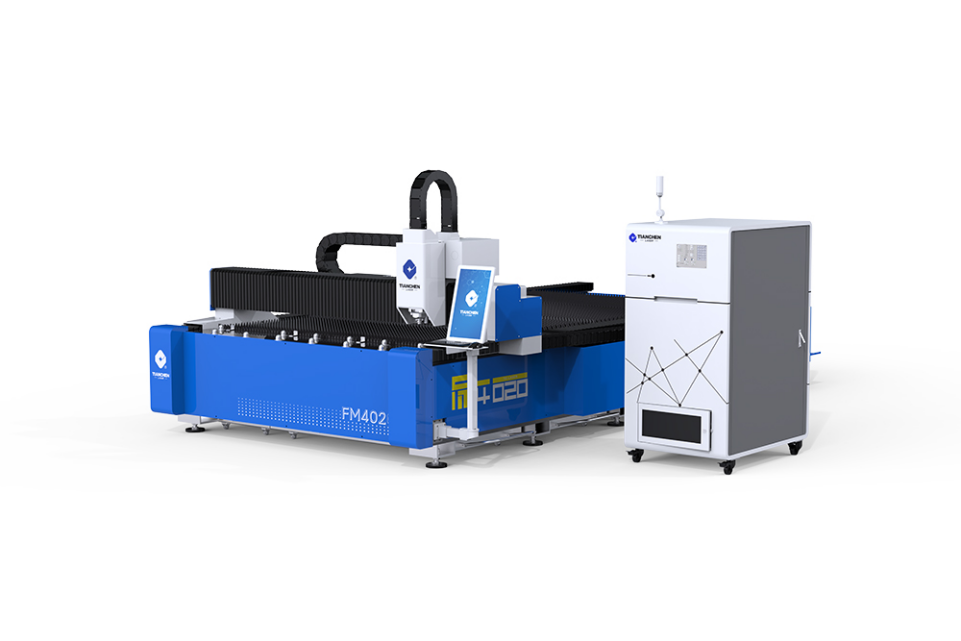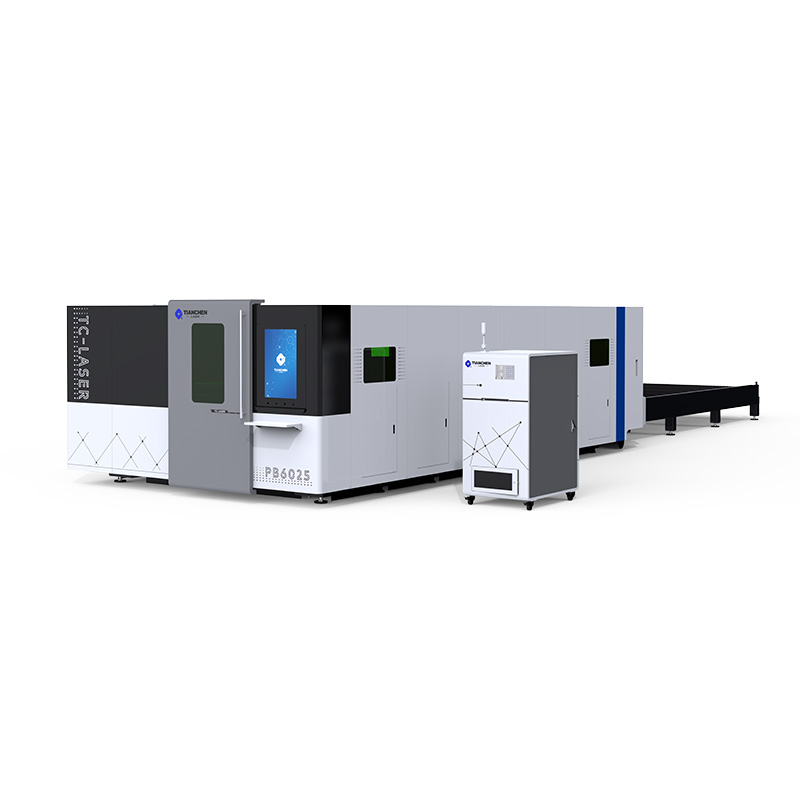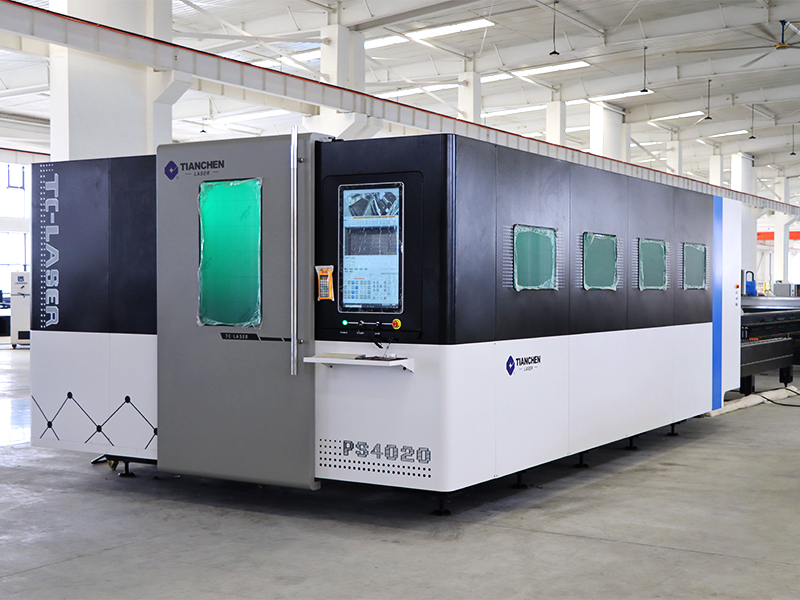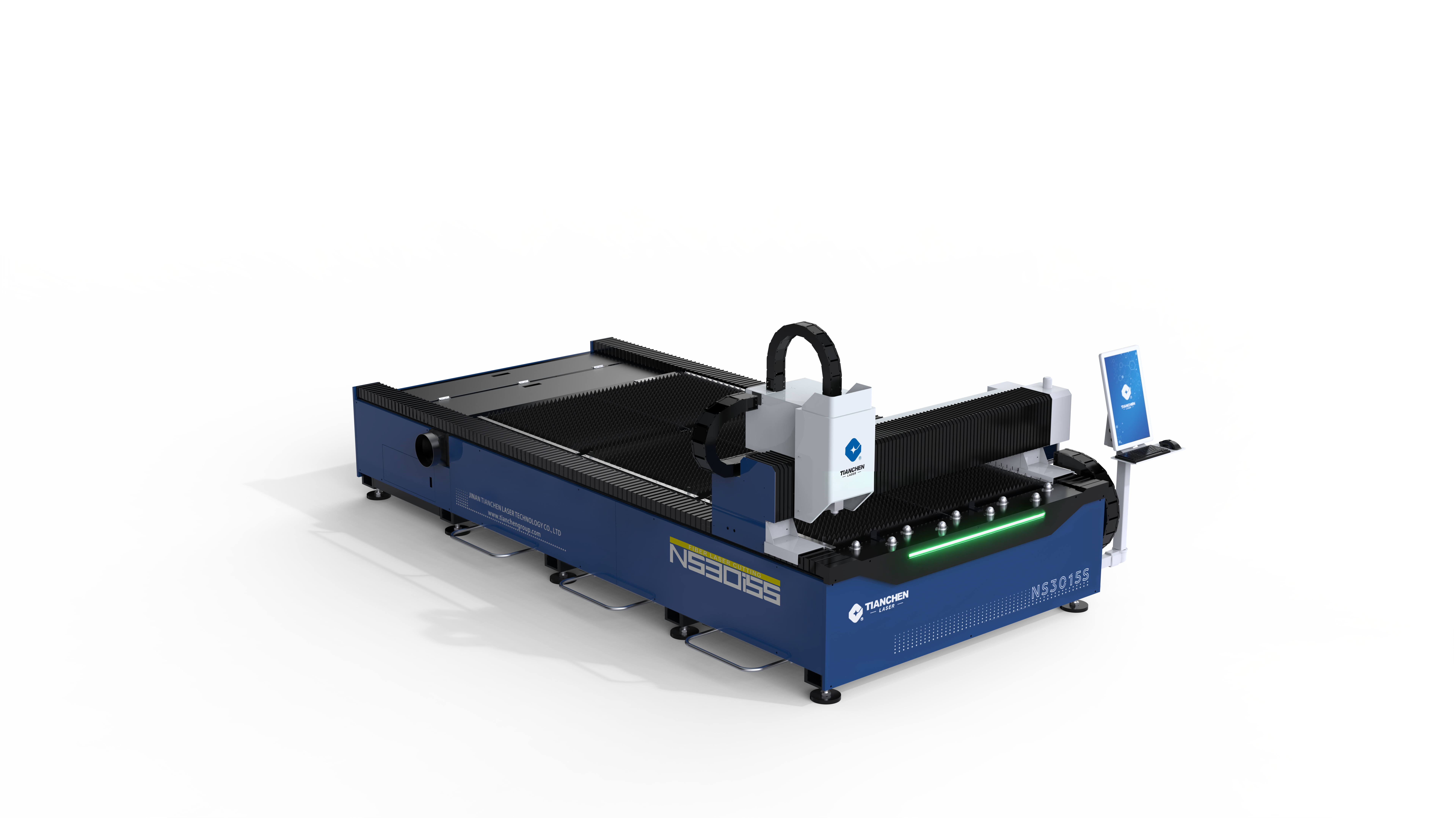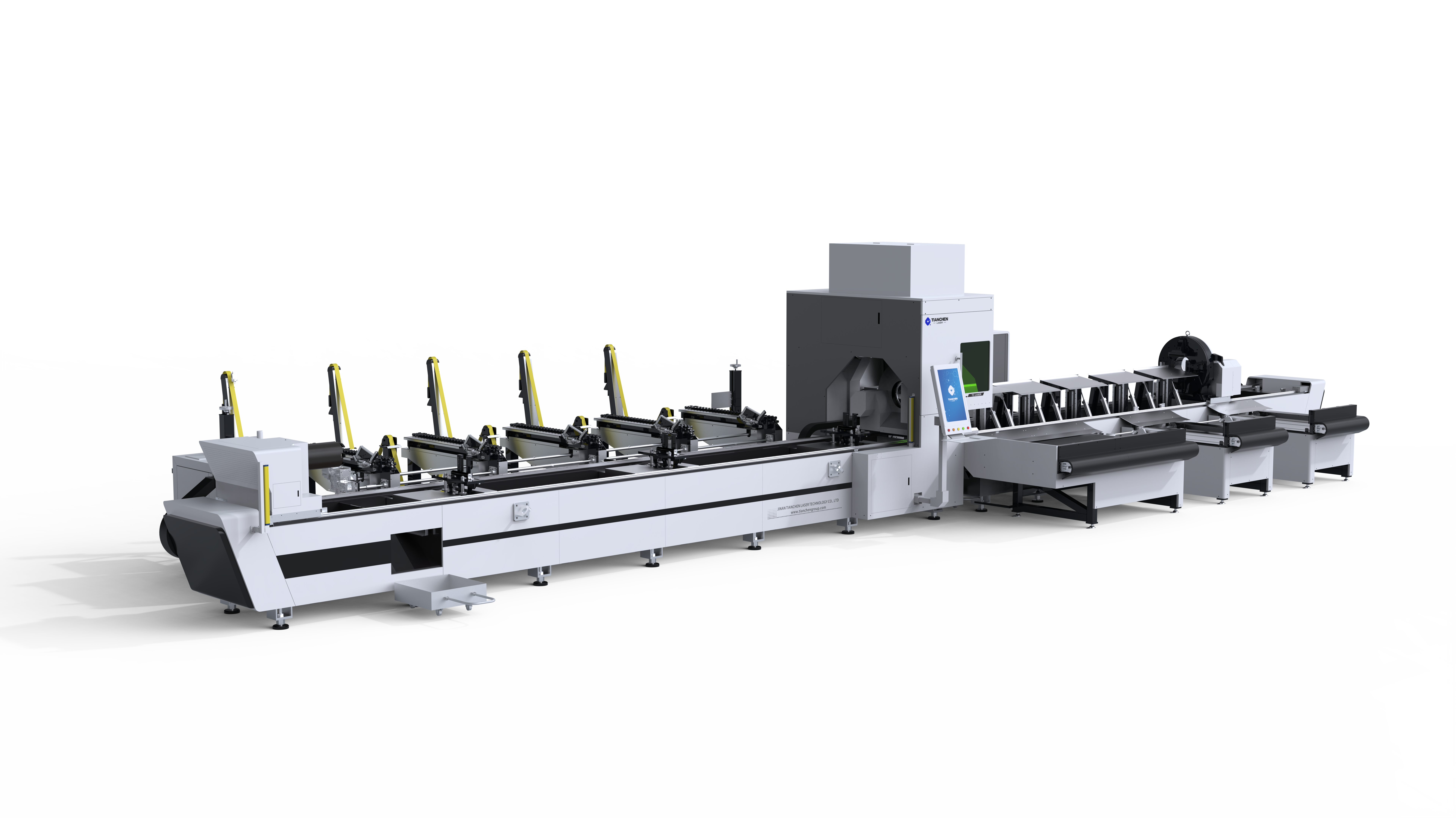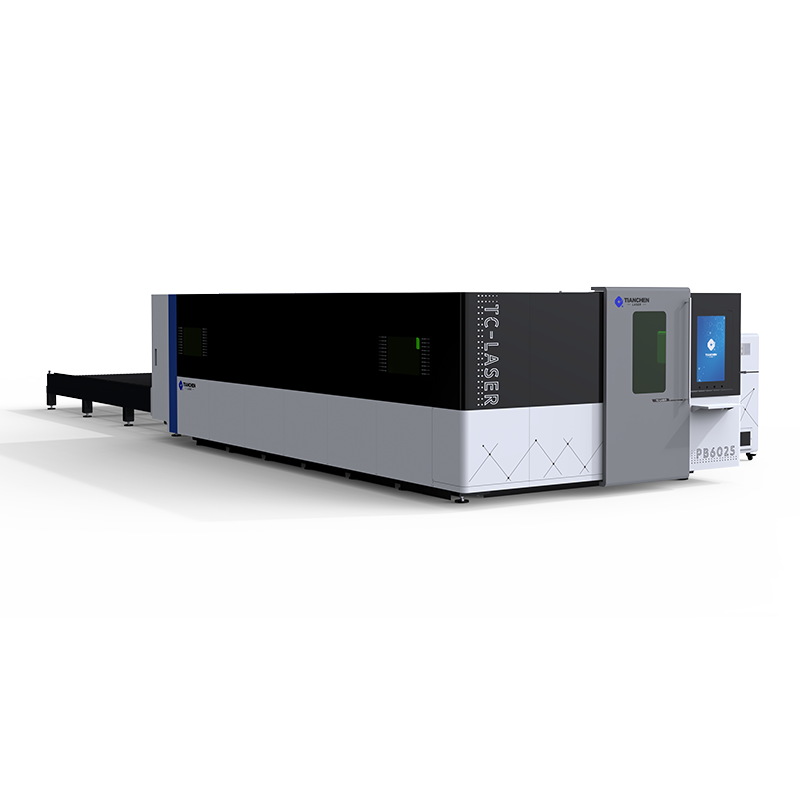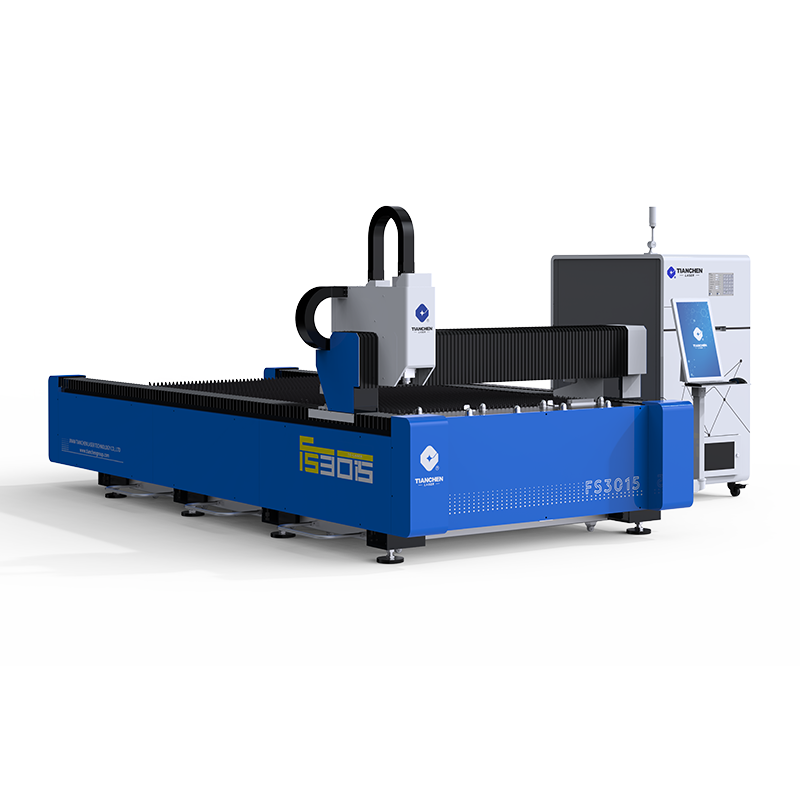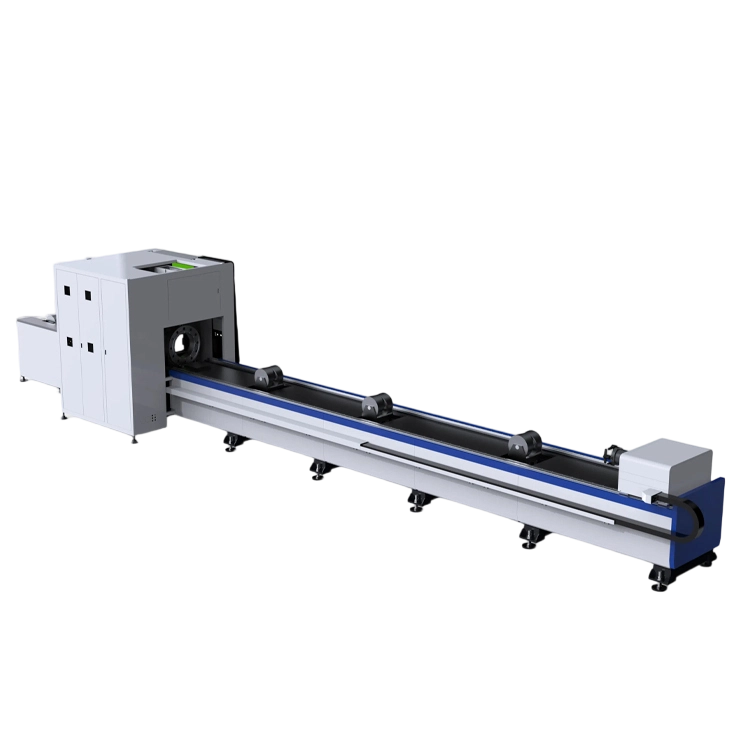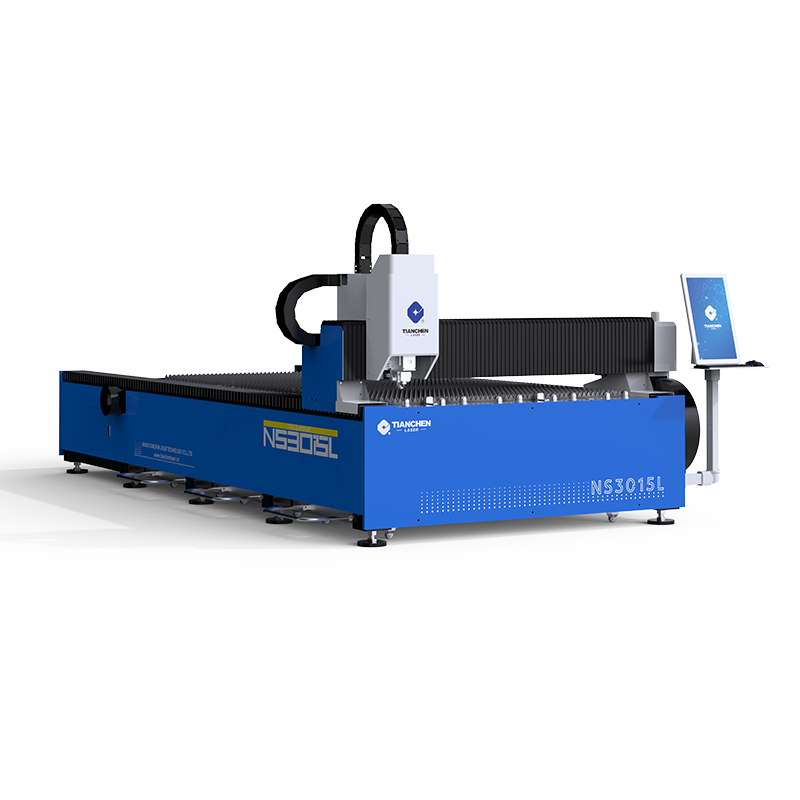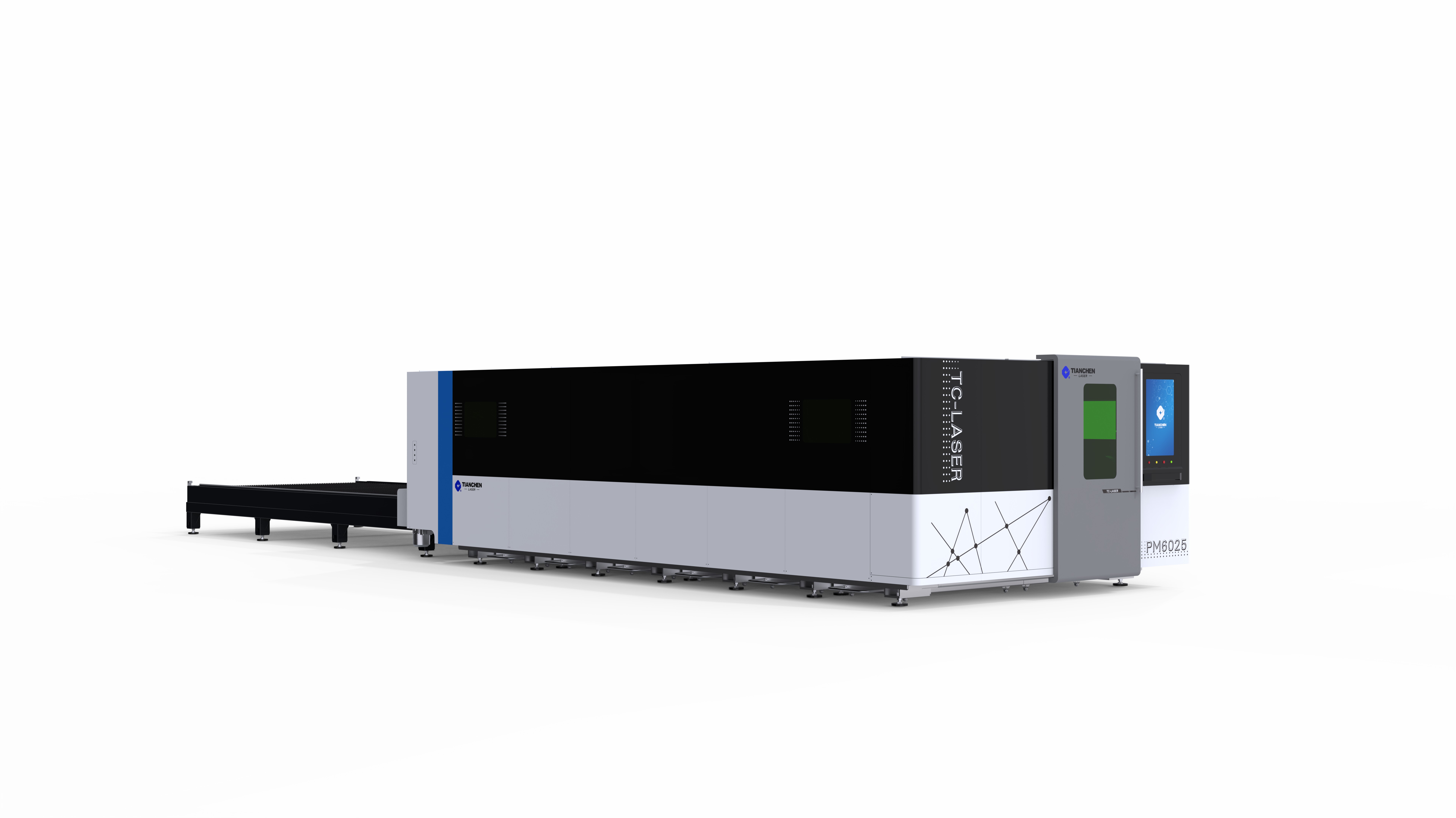
Industrial Laser Cutting Machines | 10,000+ Units/Year

All Categories

Understanding Laser Cutter Cost – Low Operating Expense, High ROI

When evaluating laser cutter cost, consider not only the initial price but also energy consumption, maintenance, and consumables. Our fiber laser cutters consume 70% less electricity than CO2 lasers. With a 100,000‑hour laser source lifespan, no mirrors or gas bottles (for thin sheets), operating costs are as low as $1.5 per hour. Our machines start at competitive price points, and we provide leasing options. Many customers achieve payback within 12‑18 months. The total laser cutter cost of ownership is minimized thanks to our robust design and remote diagnostics support.
Get A Quote

Advantages of the product

Global Service Network Covering 100+ Countries

The extensive service network provides local technical support within 24 hours in most regions. Over 200 trained engineers are stationed across Europe, Southeast Asia, the Middle East, and the Americas. Each regional hub stocks critical spare parts such as laser sources and cutting heads, reducing downtime by up to 60%. Remote diagnostics via IoT allow real-time fault detection and firmware updates. For multinational clients, uniform service standards apply across all sites. The company offers multilingual training and on-site commissioning. Since 1995, the support infrastructure has evolved to handle emergency repairs. Customers can access a 24/7 hotline with average response times under 2 hours.

Intelligent Automation for Production Lines

Designed for Industry 4.0, these laser cutting machines feature automated loading/unloading, conveyor tables, and real-time monitoring dashboards. The control software supports MES/ERP integration for centralized job scheduling. Automatic nozzle cleaning reduces manual intervention to less than 5 minutes per shift. An optional robotic arm handles part stacking, increasing throughput by up to 35%. The adaptive gas control optimizes oxygen and nitrogen consumption based on material and thickness. A built-in AI predictive maintenance module alerts operators before component wear affects quality. Customers report average production efficiency gains of 28% within three months of installation.

Related products

Understanding laser cutter cost involves analyzing multiple variables: machine acquisition (capital expenditure), consumables, electricity, maintenance, and labor, as well as per-part operating expenses. For a 2kW fiber laser cutting system suitable for 1-6mm metals, the purchase price typically ranges from $50,000 to $90,000, while a 6kW system for 6-12mm materials costs $120,000-$200,000, and a 12kW industrial unit for up to 25mm steel can exceed $300,000. However, many manufacturers avoid upfront costs by utilizing outsourced laser cutting services, where per-part pricing includes machine amortization. The primary operating cost components are electricity (fiber lasers consume 3-5 kWh per hour for 2kW, versus 15-20 kWh for equivalent CO2 lasers), assist gas (oxygen at $0.50-1.00 per hour for thin steel; nitrogen at $5-15 per hour for stainless due to higher consumption), and consumables (nozzles, lenses, ceramic rings – typically $0.50-1.50 per operating hour). A detailed cost analysis for a job shop cutting 10,000 parts annually from 3mm steel: outsourcing at $0.25 per part (including material) totals $2,500, versus owning a $80,000 machine plus $12,000 annual operating cost, requiring 6+ years to break even. For high-volume production (500,000+ parts/year), ownership becomes economical: per-part cost drops to $0.03 (electricity + gas + consumables + labor) versus $0.12 outsourcing, saving $45,000 annually. Another cost factor is maintenance: fiber laser sources require no mirror alignments or turbine rebuilds, with typical annual maintenance contracts at 3-5% of purchase price ($2,500-$15,000). A case study from a metal service center compared cutting 25mm steel plate: plasma at $0.08 per inch (including dross removal), fiber laser at $0.12 per inch (no secondary finishing), and waterjet at $0.35 per inch. Despite higher per-inch cost, laser’s elimination of grinding for 80% of parts resulted in total lower system cost. Hidden costs include floor space (fiber lasers occupy 15-30 sq. meters), training (2-5 days for operator certification), and software licensing (nesting software $3,000-$10,000 annually). For manufacturers considering outsourcing, typical pricing models include: material cost + cutting time ($30-80 per hour) + programming fee ($20-50 per file). To obtain precise laser cutter cost estimates tailored to your specific metal types, thicknesses, annual volumes, and geographic location, contact the service provider directly for a detailed, no-obligation quotation.

Common problem

What software is used for programming?

The machines come with proprietary offline programming software supporting DXF, DWG, AI, and PLT files. Nesting algorithms achieve material utilization rates up to 92%. The software includes a material database, auto parameter selection, and toolpath simulation. An API allows integration with ERP/MES for automated job queuing and real-time monitoring.
All models comply with CE, FDA (for laser class), and ISO 12100 safety standards. Features include a fully enclosed cutting area with interlocked safety doors, a laser radiation shield window, and an emergency stop system. An optional light curtain is available for open-table designs. UL certification is available upon request for the US market.
Standard single-unit delivery is 30-45 working days from order confirmation, including production, testing, and packing. For bulk orders of 10+ units or integrated production lines, delivery is 60-90 working days. Express delivery (15-20 days) is available for select models. Shipping is via sea freight in sealed wooden crates.

Related article

Tianchen Laser Deploys in The Brazilian Market

03

Jan

Tianchen Laser Deploys in The Brazilian Market

View More
Comparing Laser Cutting Machines: Which Type Suits Your Needs?

Comparing Laser Cutting Machines: Which Type Suits Your Needs?

Explore different types of laser cutting machines, including CO2, fiber, and specialized systems, focusing on their applications, benefits, material compatibility, and future trends. Learn why these technologies are essential for cutting metals and non-metals in industries like automotive, signage, and aerospace.
View More
Choosing the Right Laser Cutting Machine for Your Business Needs

21

Aug

Choosing the Right Laser Cutting Machine for Your Business Needs

Struggling to pick the right laser cutting machine? Match your material, power, and software needs to boost precision and ROI. Get the ultimate buyer’s guide now.
View More
Fiber Laser Cutting Machine: Ideal for 1-50mm Metallic Materials

11

Oct

Fiber Laser Cutting Machine: Ideal for 1-50mm Metallic Materials

Discover how fiber laser cutting handles 1–50mm metals with precision. Learn about power requirements, material-specific performance, and why fiber outperforms CO₂. Get expert insights now.
View More

Customer Reviews

Noah
Global service saved us during a holiday shutdown

Our plant in Thailand had a laser source failure on New Year's Eve. An engineer flew from Singapore within 12 hours with a spare 6kW module. We were running again in 4 hours. The local spare parts hub stocked everything needed. Without this, we would have lost $50k in shipments. After-sales support makes Tianchen a long-term partner.

Jennifer Lee
Excellent documentation and remote support

As a maintenance manager, I appreciate the detailed service manuals. Remote support logged in within 20 minutes after a power surge and restored the system. Predictive maintenance warned us to replace the water filter before overheating. After 18 months, only $600 in spare parts (nozzles and lenses). Rare reliability in mid-range laser cutters.

Get a Free Quote

Our representative will contact you soon.
Email
Mobile/Whatsapp
Name
Company Name
Message
0/1000
29 Years of Metal Forming Expertise

29 Years of Metal Forming Expertise

Since 1995, the engineering team has deep knowledge in laser-material interaction and motion control. This history translates into machines that balance speed with edge quality across mild steel, stainless, aluminum, brass, copper, and titanium. The proprietary adaptive optics system compensates for thermal lensing, maintaining consistent performance over 8-hour shifts. A database of optimal cutting parameters covers over 200 material grades, reducing setup time by 70%. The stress-relieved welded steel frame ensures long-term stability under 1.5G acceleration. For thick plate bevel cutting or tube profiling, customized head configurations are available. This heritage delivers a solution refined through three decades of real-world feedback.
End-to-End Production Line Solutions

End-to-End Production Line Solutions

Beyond standalone units, the company provides complete metal forming and automated production lines with laser cutting machines as the core. This includes coil processing, leveling, feeding systems, and downstream sorting, deburring, and stacking stations. The turnkey approach covers layout design, installation, and integration with existing conveyors. Digital twin technology simulates the line before physical build to identify bottlenecks. Modular design allows future expansion without overhauling the entire line. Over 100 integrated production lines have been delivered globally, with average line availability exceeding 98%. This holistic service reduces the complexity of sourcing from multiple vendors, providing a single point of responsibility for performance guarantees.
WhatsApp WhatsApp Weixin Weixin
Weixin
Email Email Facebook Facebook Linkedin Linkedin TopTop