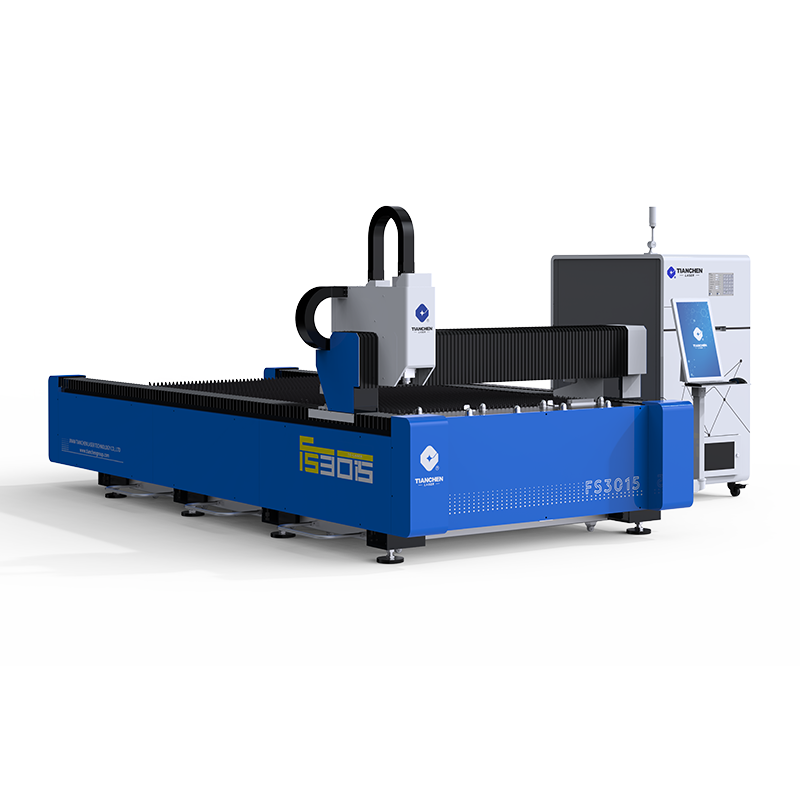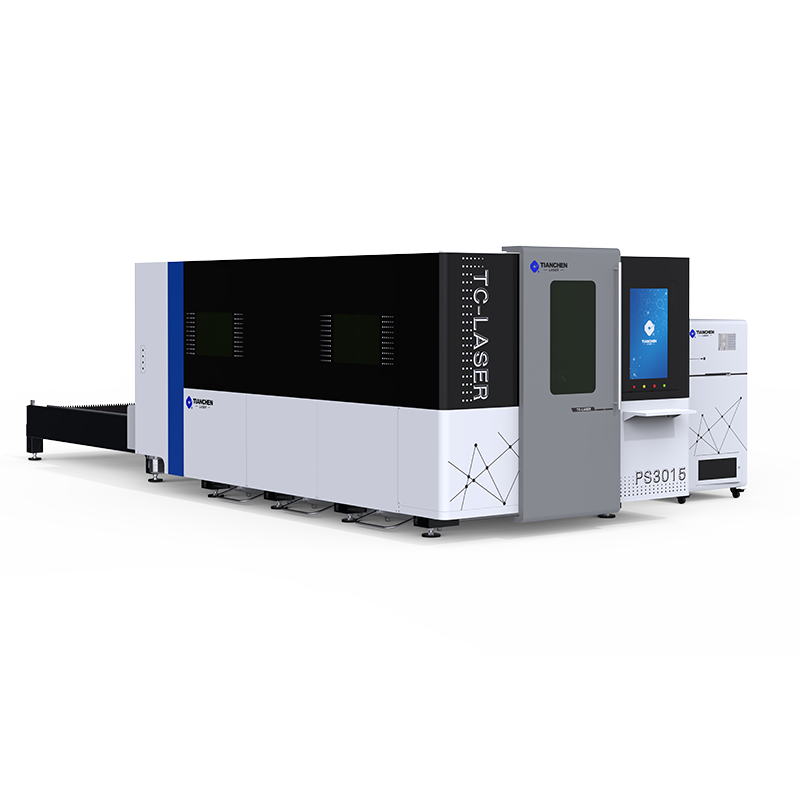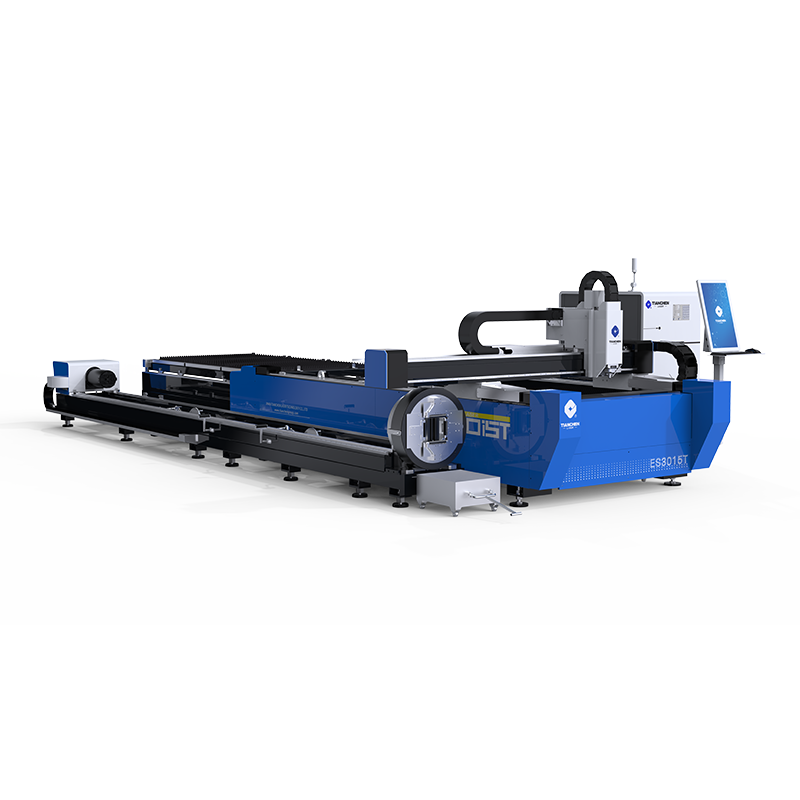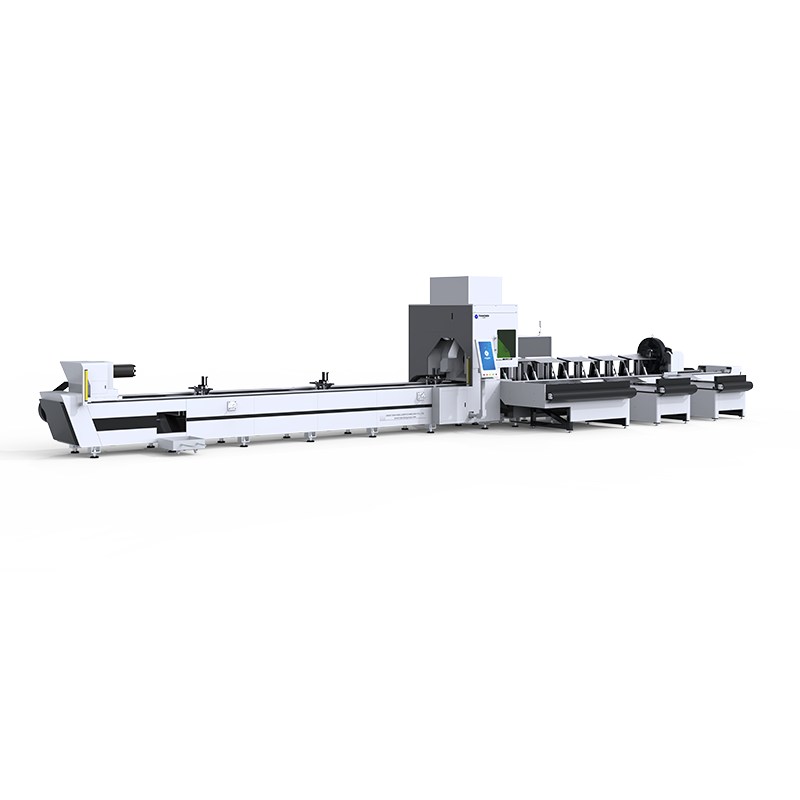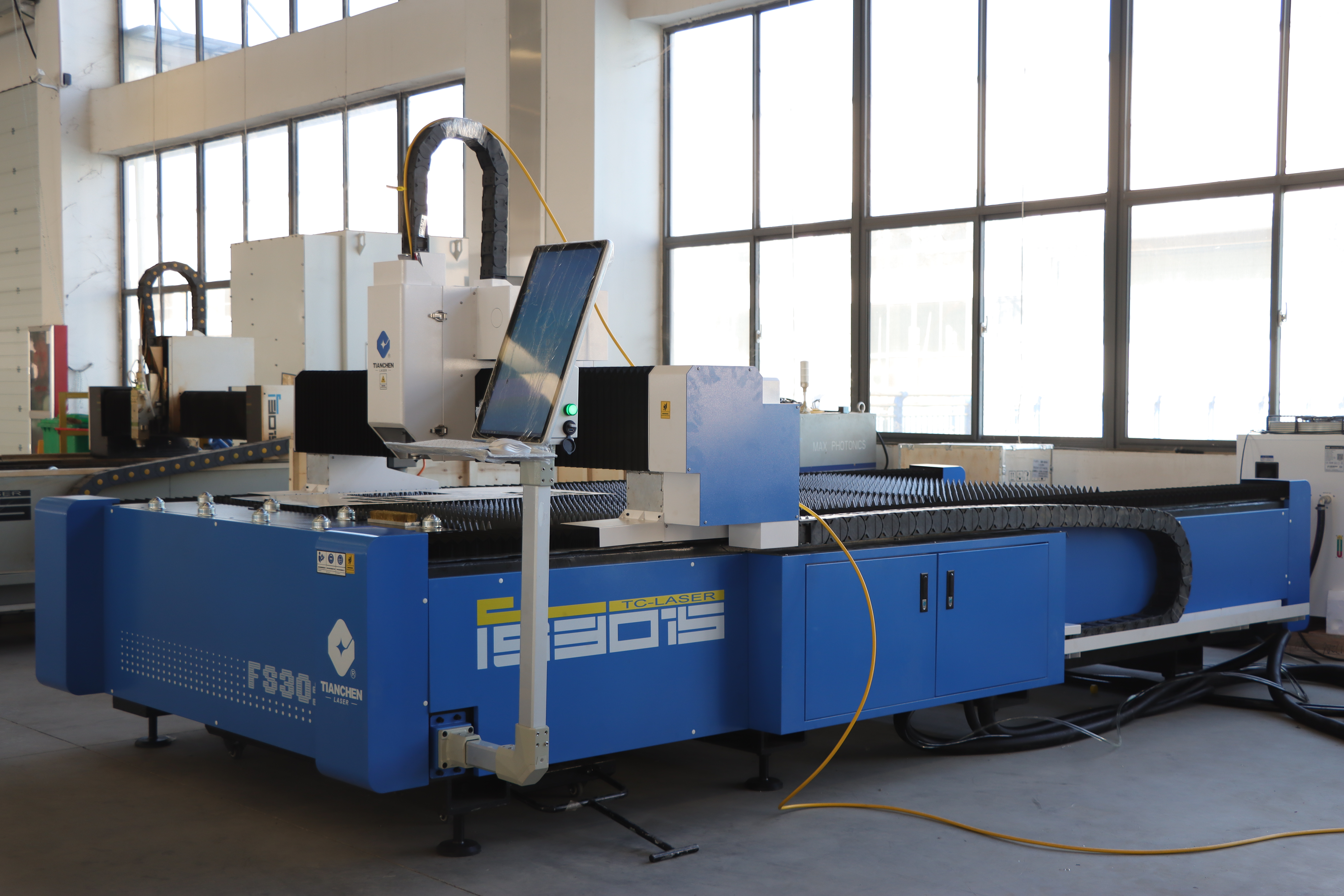
Laser metal engraving machines have revolutionized the way industries mark and identify metal parts. Unlike traditional methods such as acid etching or mechanical engraving, laser engraving offers a non-contact process that eliminates tool wear and material distortion. This technology uses a focused laser beam to remove or alter the surface of the metal, creating high-contrast, permanent marks that are resistant to friction, heat, and chemicals. The core of a laser metal engraving machine is its laser source. Fiber lasers, with wavelengths around 1064 nm, are particularly effective for metals due to their high absorption rate. This results in efficient energy transfer, allowing for faster processing speeds and lower energy consumption. Additionally, fiber lasers produce a smaller spot size, enabling finer details and higher resolution marks compared to other laser types. One of the key advantages of using a laser metal engraving machine is its flexibility. With computer numerical control (CNC), you can easily change designs without the need for physical tooling changes. This is invaluable for businesses that require frequent product variations or customization. Furthermore, the software allows for precise control over parameters such as power, speed, and frequency, enabling operators to fine-tune the marking process for different materials and desired depths. Investing in a laser metal engraving machine also contributes to a greener manufacturing environment. Since it is a dry process, it eliminates the need for chemical etchants or inks, reducing hazardous waste and cleaning requirements. The machine’s high energy efficiency and low maintenance further lower the total cost of ownership. As industries move towards Industry 4.0, integrating a laser engraver into your production line can significantly enhance your process automation and data traceability capabilities, ensuring your business remains competitive in a global market.
02
Jan
06
Jun
21
Aug
Copyright © 2026 by JINAN TIANCHEN LASER TECHNOLOGY CO.,LTD
 EN
EN