
 EN
EN
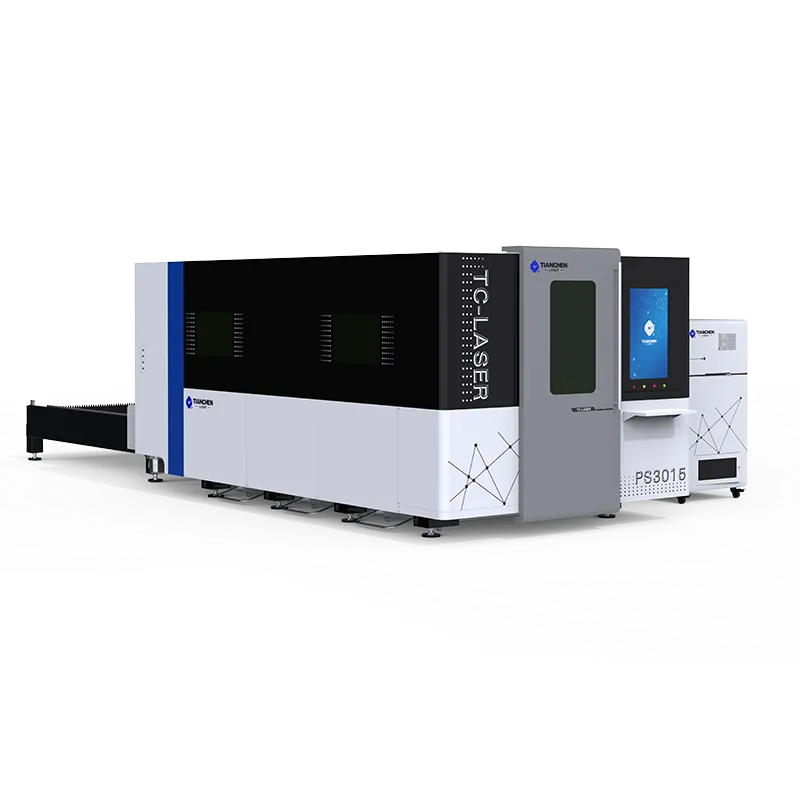
What Power of Metal Laser Cutter for Sheet Metal?
A metal fabricator invested in a 12kW fiber laser cutting machine for metal because it seemed like the most powerful option available. The machine sat idle most days. The shop rarely cut material thicker than 6mm, and the 12kW unit consumed far more electricity than necessary while delivering no real advantage over a 4kW model for their typical workload. The fabricator spent 40% more on equipment and 30% more on electricity—for no gain in productivity.
Choosing the right power for a laser cutting machine for metal is not about buying the biggest number on the spec sheet. It is about matching the machine's capabilities to the actual materials, thicknesses, and production volumes on the shop floor. Get it right, and the machine pays for itself quickly. Get it wrong, and it becomes an expensive drain on resources.
What Laser Power Actually Means
Laser power—measured in watts or kilowatts—determines how much energy the laser beam delivers to the material. Higher power does two things: it cuts thicker materials, and it cuts faster at the same thickness. But the relationship is not linear. Doubling the power does not double the cutting speed or the maximum thickness. The benefits diminish as power increases.
A 1kW laser cutting machine for metal handles thin sheets up to 3–4mm with good speed. A 3kW unit cuts the same material faster and can handle up to 12–15mm. A 6kW machine pushes into 20–25mm range. Above that, 10kW and 12kW systems handle 30mm and thicker—but the speed gains on thin material are marginal.
For most sheet metal fabrication shops, the sweet spot is 3–6kW. These machines handle the majority of everyday work—mild steel up to 16mm, stainless up to 12mm, aluminum up to 10mm—with excellent speed and edge quality.
Matching Power to Material Type
Different metals absorb laser energy differently. Mild steel is forgiving and cuts well across a range of powers. Stainless steel requires more power for the same thickness because it reflects more of the laser energy. Aluminum and copper are even more reflective, often requiring higher power or specialized cutting parameters.
For a shop cutting mostly mild steel up to 10mm, a 3kW laser cutting machine for metal is more than adequate. For stainless steel or aluminum at the same thickness, 4–6kW provides better speed and edge quality. For shops regularly cutting 16mm+ mild steel or 12mm+ stainless, 6kW becomes the practical minimum.
The Hidden Costs of Oversizing
Buying a more powerful laser cutting machine for metal than needed carries real costs. The purchase price jumps significantly with each power tier—a 6kW machine typically costs 40–60% more than a 3kW unit. Electricity consumption scales with power output. Consumables—nozzles, lenses, and assist gases—are consumed faster at higher power settings. Maintenance costs are higher for more powerful systems.
Perhaps the most overlooked cost is the power supply infrastructure. A 6kW laser requires a more robust electrical service than a 3kW unit, often requiring transformer upgrades or new service lines. These infrastructure costs can add 10–15% to the total investment.
For many small to medium fabrication shops, a 1.5–3kW laser cutting machine for metal is a proven money-maker for thin stainless panels, signs, cabinets, small brackets, and prototyping work.
The Productivity Argument for More Power
There is a legitimate case for buying more power than the minimum requirement. Higher power cuts faster, which means more parts per hour. For high-volume production, the speed advantage of a 6kW over a 3kW machine can be significant—often 40–60% faster on medium-thickness materials.
The key is calculating the payback period. If the faster cutting speed increases throughput enough to justify the higher purchase price and operating costs, then more power makes sense. If the machine will run one shift a day with plenty of idle time, the extra power is wasted.
A fabricator cutting 10mm mild steel all day will see a clear productivity gain from 6kW over 3kW. A fabricator cutting 3mm aluminum for two hours a day will not.
Practical Power Recommendations by Application
Light fabrication, prototyping, sheet metal up to 5mm: 1–2kW. Affordable entry point, low operating costs, handles most thin materials.
General fabrication, mild steel up to 12mm, stainless up to 8mm: 3–4kW. The sweet spot for most shops. Good balance of capability, cost, and operating efficiency.
Heavy fabrication, mild steel up to 20mm, stainless up to 16mm: 6kW. Handles thicker materials with speed. Suitable for structural steel, heavy equipment, and marine applications.
Ultra-heavy or high-volume production: 8–12kW. For shops cutting 25mm+ daily or running multiple shifts. High capital cost, justified only by high throughput.
A Real-World Example: The Sign Shop That Got It Right
A sign fabrication shop produced custom metal letters, architectural panels, and outdoor signage. The owner was tempted by a 6kW laser cutting machine for metal but consulted an experienced fabricator first. The fabricator asked about typical materials: mostly 2–4mm aluminum and stainless, occasionally 6mm mild steel. The recommendation was a 3kW machine.
The 3kW unit handled 90% of the work with excellent speed and edge quality. For the occasional 6mm job, the machine managed fine—just a bit slower. The owner saved 40,000 on the purchase price and 200 monthly on electricity. Three years later, the machine had paid for itself twice over. The 6kW machine would have been overkill from day one.
Frequently Asked Questions
What power laser cutting machine for metal is best for 6mm steel?
A 3kW laser cutting machine for metal handles 6mm mild steel with excellent speed and edge quality. For stainless steel at the same thickness, 4kW provides better performance. The 3–4kW range is the sweet spot for general fabrication.
Can a 2kW laser cut 10mm steel?
Yes, but slowly. A 2kW laser cutting machine for metal can cut 10mm mild steel, but at a fraction of the speed of a 4kW or 6kW machine. For occasional thick cuts, 2kW works. For daily thick cutting, step up to 4kW or higher.
Does higher power always mean faster cutting?
Not proportionally. Doubling power does not double speed. The speed gains diminish as power increases. A 6kW machine cuts 6mm steel faster than a 3kW machine, but not twice as fast—typically 40–60% faster.
What power is needed for aluminum cutting?
Aluminum reflects laser energy, requiring more power than steel at the same thickness. For 6mm aluminum, 4–6kW is recommended. For thinner aluminum (2–3mm), 2–3kW works well. A fiber laser source is preferred for aluminum.
How much does laser power affect operating cost?
Significantly. Higher power machines consume more electricity, use consumables faster, and require more robust infrastructure. A 6kW machine typically costs 30–50% more to operate per hour than a 3kW machine at the same utilization.
Should I buy more power for future needs?
Only if the future need is certain and near-term. Buying power for hypothetical future work is expensive. It is often more cost-effective to buy the machine needed today and upgrade or add a second machine when the work materializes.