
 EN
A Nesting Problem That Wasted a Whole Shift
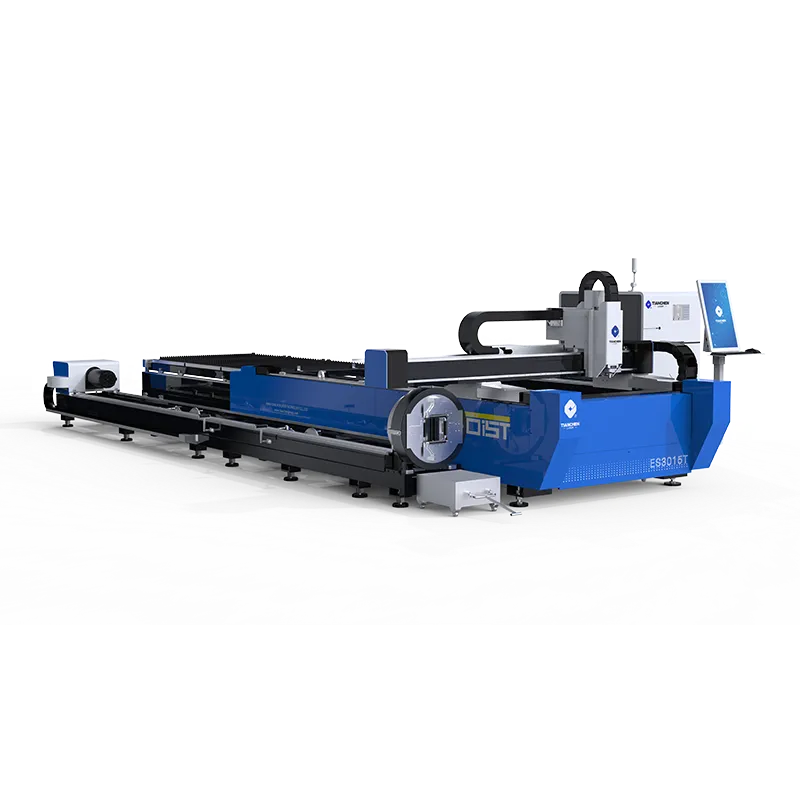
A fabricator took a 300-part order with mixed sizes and laid it out by hand on 2 m sheets. The operator left margins for safety and spaced parts by eye, finishing the order on nine sheets when seven would have held it. Switching to a laser cutting machine for sheet metal with automatic nesting packed the same order onto six sheets. The spare three sheets became the margin on a job that had looked thin, and the floor finished the work a shift earlier than the hand method allowed.
The Hand-Laid Layout That Failed
Hand nesting spreads parts to avoid mistakes, but the spread is rarely optimal. The operator doubled the gap on a curved run and lost room for four small brackets. A laser cutting machine for sheet metal reads true part outlines and packs them edge to edge with bridges, recovering the space the hand layout threw away without risking a missed cut or a part that drifts during the run.
What Automatic Nesting Changed
The software rotated, flipped, and slid parts to maximize yield, then exported the cut path in seconds. The laser cutting machine for sheet metal ran the layout without the operator redrawing anything. Changeover between orders shrank because nesting was a click, not a half-hour puzzle, and the floor took more orders in the same week with the same staff and the same raw steel budget.
The Risk of Poor Material Use
Material is the largest variable cost on most sheet orders, and small losses repeat on every sheet the shop runs, compounding into a steady leak that nobody sees on a single job.
Off-Cut Loss Across an Order Book
A few percent of wasted sheet seems minor on one job, but across a month of orders it becomes a full skip of steel. The laser cutting machine for sheet metal lifts yield from roughly 70% to near 90% on mixed work, and that spread is the quiet profit most shops leave on the floor when they nest by hand and trust the operator's eye over the algorithm.
Cost Pressure on Thin Margins
In competitive quoting, the shop that wastes less can price sharper and still earn. A laser cutting machine for sheet metal with nesting turns material efficiency into a bidding edge, not just a saving. On tight-margin commodity work, yield often decides which shop wins the repeat order, because the lower bidder is usually the one losing the least steel to the scrap bin.
How Automatic Nesting Works
Nesting is geometry, not guesswork, and the algorithm beats the eye on packed irregular shapes where straight edges leave gaps a person would never fill. The cutting bed and the software work as one system once the file is loaded.
Geometry Packing and Bridge Cuts
The software places parts by true outline, rotating and nesting curves into the gaps straight edges leave. The laser cutting machine for sheet metal connects parts with tiny bridges that snap apart after cutting, so no part floats free mid-run. Good bridge placement also stabilizes thin parts that would warp if fully isolated, keeping the sheet flat and the path true to the program.
Remnant Tracking for Repeat Jobs
Smart nesting logs the leftover strip from each sheet and pulls it into the next small order. The laser cutting machine for sheet metal can start a run on a remnant, saving a full sheet for later. Over time, remnant reuse trims the raw buy without changing delivery, which compounds the yield gain from packing alone and turns off-cuts into planned inventory instead of scrap.
Rules and Getting the Most From the System
Higher yield must not come at the cost of a cut the customer cannot use, and the routine around the bed matters as much as the packing button when the orders get varied and the materials change through the week.
ISO 9013 and ANSI B11.21 Safety
ISO 9013 sets how close the cut must sit to the drawn line. Tight packing that crowds parts can stress heat-affected zones if pushed too far. The laser cutting machine for sheet metal should nest to the quoted class, keeping edges within tolerance even when parts sit close, so yield never costs acceptance at the customer's receiving bay. ANSI B11.21 covers guarding and access for cutting systems, and a machine with auto loading still needs enclosed beam and interlocks. Nesting more parts per sheet means longer runs, so the safety envelope must hold through unattended stretches, not just during a watched first sheet.
Sheet Match, Upkeep, and True Yield
Buyers should match standard sheet size to the part mix so nesting has room to work. A laser cutting machine for sheet metal fed odd off-cuts nests poorly; consistent stock lets the algorithm pack. Tianchen and similar suppliers recommend sizing the bed and sheet together so yield gains show on the real order book, not a demo. A worn slat or outdated nesting library quietly drops yield, so the system needs slat checks and software updates so bridges place correctly and pack density holds. Shops should track good parts per sheet, not just sheets used, because the bed may look busy while yield slips on one material; watching real utilization exposes where packing or remnant reuse can recover cost.
Treating nesting as a routine rather than a one-off task keeps the gain visible week to week. The bed, the library, and the stock size all feed the same result, and a short check of parts per sheet catches slip before steel is lost. Shops that review the number regularly turn a one-time saving into a standing advantage over competitors who still nest by eye.
Frequently Asked Questions
How does automatic nesting save sheet metal?
Automatic nesting packs true part outlines edge to edge with bridges, recovering space hand layouts waste on margins and gaps. A laser cutting machine for sheet metal turns the layout into a cut path in seconds, lifting yield from about 70% to near 90% on mixed orders. The saved sheets become direct margin on thin jobs where every percentage point counts.
Is nested cutting as accurate as spaced parts?
Yes, when nested to the quoted ISO 9013 class. The laser cutting machine for sheet metal holds tolerance even with parts close, because the beam follows the program, not the gap. Crowding beyond the class risks heat effects, so good nesting respects the tolerance band while still maximizing pack density safely across the whole sheet.
Can remnants be reused automatically?
Yes. Nesting software logs leftover strips and pulls them into the next small run. A laser cutting machine for sheet metal can start on a remnant, saving a full sheet. Over time, remnant reuse adds to the yield from packing, trimming the raw steel buy without changing what ships to the customer at the promised date.
Does nesting need a bigger machine?
No. Yield comes from software and stock discipline, not bed size. A laser cutting machine for sheet metal on consistent sheet sizes nests well at any common footprint. Matching standard stock to the part mix matters more than buying a larger bed that still gets fed odd off-cuts it cannot pack into a tight, clean layout.
What maintenance protects nesting yield?
Slat checks and nesting-library updates keep bridge placement and pack density correct. A laser cutting machine for sheet metal with worn slats or stale software loses yield quietly. A weekly review of parts per sheet catches drift early, before a month of steel slips away uncounted on the floor and the margin disappears from the quote.
Is auto nesting safe for long runs?
Yes, if the system meets ANSI B11.21 with enclosed beam and interlocks. More parts per sheet means longer unattended runs, so the laser cutting machine for sheet metal must hold its safety envelope through the whole cycle. Proper guarding keeps packed, lights-out cutting within the same rules as a watched sheet during a short proof run.