
 EN
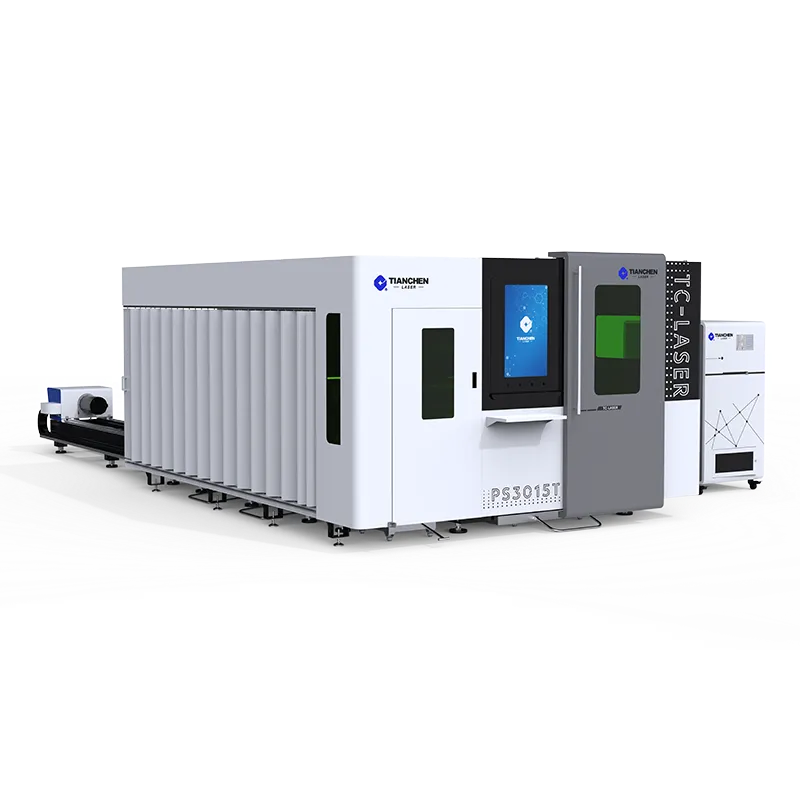
A Finishing Bay That Ran Out of Room
A job shop in Pennsylvania cut steel frames on a plasma table, then sent every part to deburring before powder coat. The finishing bay grew until it held a day's worth of parts waiting for an operator with a file. Switching the profile work to metal laser cutting moved the edge quality upstream: parts arrived clean enough for coating without hand work, and the deburring queue shrank from a full bay to a single bench. The shop credited metal laser cutting with the turnaround, not a bigger grinder.
The Deburring Queue Every Morning
Each morning, operators faced stacks of plasma-cut edges that needed grinding before paint would adhere. On a busy day that was three hours of pure cleanup before a saleable part left the bay. Metal laser cutting produced edges with minimal dross, so the same parts skipped the grinder and went straight to the coater, freeing those three hours for value-added work that actually changes the product the customer receives.
Where the Hours Disappeared
Time studies showed 18% of fabrication labour went to edge finishing, none of it adding strength or function. The cost hid because grinding was just part of the job. Moving to metal laser cutting for the profile work returned those hours to welding and assembly, where they actually changed the product the customer paid for, not the pile waiting for a file at the end of the line.
The Risk in Leaving Rough Edges
A rough edge is not only ugly; it starts failures that surface after the part ships, and those failures land on the shop's reputation before anyone traces the cause back to the cut.
Coating Failures Start at the Edge
Powder and paint bond poorly over slag and burrs, leaving thin spots that rust first. A customer returned a batch of brackets after edge rust appeared in months. Metal laser cutting gives a smooth, oxide-controlled edge that the coating covers evenly, which removed that failure mode from the shop's defect list and its return cost, protecting the account at the same time as the schedule.
Fit-Up Problems Down the Line
Burrs catch on mating faces and throw off assembly. A bracketry kit that should drop together needed filing on site, costing the customer time and the shop reputation. Clean edges from metal laser cutting let parts seat on the first try, which matters most for kits shipped to field crews who carry no workshop and expect a clean drop-in fit without a bench grinder.
Why Metal Laser Cutting Cuts the Follow-Up
Metal laser cutting builds quality into the cut path, not into a second operation added later, and the control is repeatable across the whole order rather than dependent on the person holding the tool.
Clean Kerf From Controlled Parameters
The beam, assist gas, and feed rate set the kerf. Metal laser cutting holds these through the path, so the edge stays consistent instead of varying with operator touch. Correct gas choice leaves a near-bare metal edge on stainless, while carbon steel gets a thin manageable oxide that scrapes off in seconds rather than minutes of grinding at the bench after the fact.
Edge Squareness and Dross Control
A stable focus and height sensor keep the cut square, so the top and bottom widths match. Metal laser cutting keeps the two widths aligned and, with the right pierce, avoids the hanging dross that defines plasma cleanup. Square, dross-free edges need no filing, which is the concrete reason the finishing bay shrank after the switch and stayed small thereafter on profile work.
Standards and Capturing the Saving
The edge quality only pays if the part is designed and checked to use it, and the measure belongs in the drawing rather than the operator's judgement about when a grind is good enough.
ISO 9013 and OSHA Ventilation
ISO 9013 grades thermal-cut edges by roughness and tolerance class. Specifying the class on the drawing tells the shop how clean the edge must be, and metal laser cutting reaches finer classes than plasma at the same thickness, so quoting the class lets the process meet coating needs without guesswork. OSHA 29 CFR 1910.94 expects fume extraction at the source, which metal laser cutting with proper extraction provides, protecting operators from particulates in the bay.
Design, Inspection, and Hard Cases
Designers should specify corner radii and slot sizes the process holds cleanly, avoiding features that force secondary work. Rounding a sharp internal corner removes the stress point and the grind. Tianchen and comparable shops advise specifying corner radii the metal laser cutting process holds cleanly, which lets the part skip the finishing bay entirely. Operators should check edge quality at the first part and after any lens or gas change, since a clouded lens widens the kerf and adds dross. Very thick plate or mixed reflective alloys may still need light grinding at corners, so shops should reserve the bay for those hard cases and let the bulk exit ready.
Metal laser cutting rewards shops that design for it from the first drawing. Specifying radii the process holds cleanly and quoting the ISO 9013 class up front lets metal laser cutting reach the edge without a second operation, so the part skips the finishing bay. Reviewing edge quality at the first piece and after any lens change keeps metal laser cutting consistent across long runs and protects the saving the switch was meant to deliver.
Frequently Asked Questions
How does metal laser cutting reduce finishing?
Metal laser cutting controls beam, gas, and feed so the kerf stays clean and square, leaving little dross or burr. Parts reach coating or assembly without grinding that plasma-cut edges need. The edge quality is built into the cut, not added after, which is why the finishing bay shrinks after the process switch and stays small for profile work.
Is the edge ready for powder coat?
For most stainless and thin carbon steel, yes. Metal laser cutting with the right gas leaves a smooth, oxide-controlled edge that powder coat covers evenly. Carbon steel may carry a thin oxide that scrapes off in seconds. Very thick or reflective stock can need light corner touch-up before paint, but the bulk of profile work exits coat-ready from the bed.
Does cleaner cutting cost more per part?
Often less overall. Metal laser cutting costs more at the beam than plasma but removes the labour hours of deburring across the order. Shops that tracked total cost found the saved finishing time outweighed the higher cut rate, especially on profile work sent straight to coating without hand work that added no value.
What standard defines a good cut edge?
ISO 9013 grades thermal-cut edges by roughness and tolerance class. Specifying the class on the drawing tells the shop how clean the edge must be. Metal laser cutting reaches finer classes than plasma at equal thickness, so the standard guides the process instead of leaving edge quality to opinion or to the grinder after the fact.
Can rough edges cause returns?
Yes. Slag and burrs let coating thin out and rust start at the edge, and they catch on mating faces at assembly. Metal laser cutting removes those failure points, which dropped a shop's bracket returns after the switch. Clean edges protect both the product and the account that receives it on a deadline.
When is secondary finishing still needed?
For very thick plate, mixed reflective alloys, or features the cut cannot hold cleanly, light grinding remains. Metal laser cutting cuts the volume sharply but not to zero for every material. Shops should reserve the finishing bay for those hard cases and let the bulk of profile work skip it entirely, saving the labour for value-added steps.