
 EN
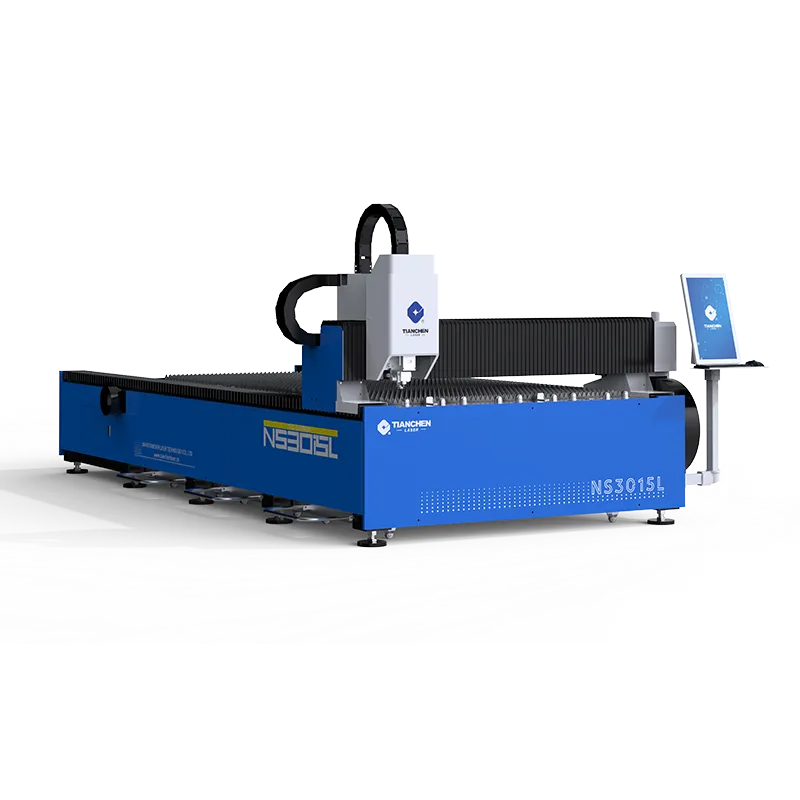
A Bottleneck That Looked Like a Labor Problem
A fabrication shop in the Midwest blamed missed shipments on staffing. The press brake and weld areas ran fine, but packed orders still slipped. Mapping the flow showed the laser was not the slowest step — waiting for it was. Plates sat in a queue while one operator toggled between loading, cutting, and clearing. Adding a second laser cnc machine to the cell, paired with a simple loader, lifted finished parts per day from 1,100 to 2,600 without adding a shift. The laser cnc machine became the anchor that let the rest of the cell breathe.
The Evening Shift That Could Not Keep Up
Evening runs fell behind because the lone operator handled both the laser cnc machine and the downstream deburring. When the cut queue grew, deburring stopped, and parts piled uncut. Splitting the roles and letting the laser cnc machine run while a second person finished edges kept both stations busy and ended the evening backlog that had looked like a headcount problem rather than a flow one.
What the Data Actually Revealed
A week of timestamps showed cut time was 38% of the station's clock; the rest was load, unload, and walk time. The laser cnc machine was idle more than running. The fix was material handling, not a faster beam. Shops that log station time before buying capacity usually find the same pattern and avoid spending on power the laser cnc machine cannot be fed enough to use across a full day.
Why Capacity Stalls Before the Machine
Throughput fails at the edges of the process, not at the beam. The cut itself is often the fastest activity in the cell, so blaming the laser misses the point and wastes the budget on the wrong fix.
Queue Time Beats Cut Time
A plate waiting for a free operator loses more minutes than the laser cnc machine spends cutting it. Batch size matters: huge stacks delay the next job, while small, frequent loads keep the bed turning. Balancing batch size to the laser cnc machine's cycle keeps the queue short and the delivery date real, which protects the account more than a higher watt number on the spec.
The Rework Tax on Volume
Every defective part costs its own cut plus the labour to find and replace it. At 1,100 parts a day, a 4% reject rate meant 44 remakes and the inspection time around them. The laser cnc machine's repeatable path cut rejects to under 1%, returning those hours to real production instead of chasing errors that a steadier process would never create in the first place.
How Throughput Really Scales
More parts come from steadier running, not just a bigger number on the spec sheet, and the gains stack when the whole cell is balanced instead of one station racing alone.
Piercing Strategy and Cycle Time
Piercing sets the floor for cycle time on thick plate. A laser cnc machine with controlled pulse piercing avoids long dwell that pads every part. Tuning pierce to material and using fly-cut moves on thin stock trims seconds per part, and seconds multiply across thousands of cuts in a week into hours of real, shippable output that the queue no longer hides.
Lights-Out Running on Repeat Work
For stable, repeat orders, the laser cnc machine can run unattended with a loader and fume control. A shop running a weekly bracket program overnight gained a full shift of output with no extra labour. Lights-out needs clean programs and reliable nesting, but the capacity gain is real for predictable volume that the laser cnc machine can repeat without a watchful operator at the panel.
Standards and Sustaining the Gain
Buying capacity is the easy part; keeping it needs discipline, and the rules that keep parts accepted also keep the floor running without stoppages that erase the gain.
OSHA and ISO 9013 Protections
OSHA 29 CFR 1910.212 requires guarding of moving parts and beam paths, and a laser cnc machine built to this standard keeps operators safe during long runs, which prevents stoppages that injury or fault investigations cause. ISO 9013 sets the tolerance and roughness a cut must hold, so quoting to a class lets the laser cnc machine run at the speed the tolerance allows instead of over-cutting for safety.
Sizing, Maintenance, and True Output
Buyers should size the laser cnc machine to true part mix and growth, not peak fantasy. A 30% over-spec wastes power and floor; 30% under leaves the same backlog. Tianchen and similar suppliers publish piercing and cut rates by material, which makes sizing concrete. Daily lens, gas, and slat checks protect throughput, and stations should track good parts per hour, not just machine-on time, so the laser cnc machine's gain stays visible on the floor.
Stations that review the numbers weekly, not just when a job slips, catch drift before it becomes a missed date. Good parts per hour, reject rate, and load time tell a clearer story than machine-on hours alone. A short stand-up around those three figures keeps the whole cell honest and lets the added capacity show up where the customer feels it, on the delivery truck and on time.
A laser cnc machine that runs balanced against the cell, not against a headline wattage, delivers the output the quote promised. Reviewing the three figures together keeps that output steady as orders shift from thick plate to thin, where cycle time and pierce settings change most.
Frequently Asked Questions
How does a laser cnc machine raise output?
A laser cnc machine raises output by cutting queue and rework, not just cutting faster. Paired with a loader and balanced batch size, it runs while downstream finishes parts. Repeatable paths drop rejects, returning hours to production. The gain shows as more good parts per day, not a higher number on the spec sheet that sits idle at the edges.
Is a second machine or a loader better?
It depends on the bottleneck. If the laser cnc machine sits idle waiting for load and unload, a loader and fume-ready setup add capacity cheaply. If two distinct jobs compete for one bed all day, a second laser cnc machine may fit. Logging station time first shows which fix the flow actually needs before capital is spent on the wrong side.
Can the laser cnc machine run unattended?
For stable repeat orders, yes. With a loader, enclosed beam path, and extraction, the laser cnc machine runs lights-out and adds a shift of output. Success needs clean programs and reliable nesting so no part needs a mid-run fix. Variable one-off work suits attended running better, where an operator can adjust on the spot.
What lowers throughput the most?
Queue and rework, not cut speed. A laser cnc machine idle while plates wait or rejects climb loses more than a slightly slower beam would. Shops that track load time and reject rate usually find the real constraint at the edges of the cell, where handling and inspection live and steal the minutes that add up.
How should capacity be sized?
Size the laser cnc machine to true part mix plus realistic growth, using published pierce and cut rates by material. Over-spec wastes floor and power; under-spec leaves backlog. Tianchen and comparable makers list rates that turn sizing into a calculation instead of a hope, which protects the investment from the start of the plan.
Does faster cutting hurt edge quality?
It can, if speed exceeds the tolerance class. A laser cnc machine set above ISO 9013 limits leaves a rougher or slagged edge that needs finishing. Right-sizing speed to the quoted class keeps edges acceptable and cycle honest, so the extra pace does not create rework that cancels the gain the capacity was meant to deliver.