
 EN
EN
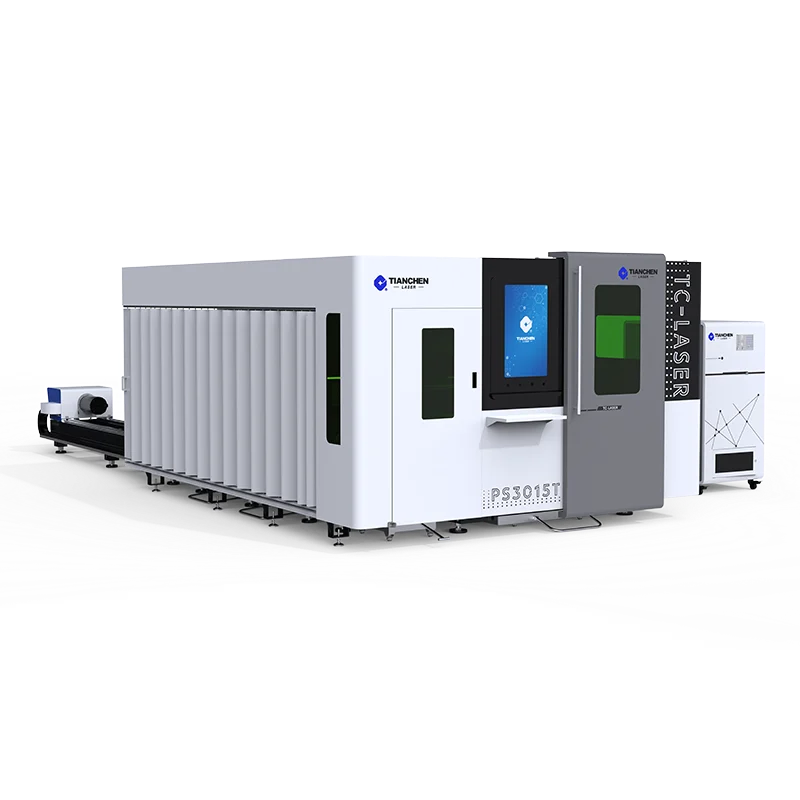
Metal Laser Cutter Adapts to Various Metal Materials Processing
A job shop that served automotive, aerospace, and architectural clients struggled with its old CO₂ laser. It cut mild steel well but struggled with stainless steel and could not cut aluminum or copper at all. The shop turned away work—often to competitors with fiber laser cutting machine for metal technology. Within two years, the lost revenue exceeded the cost of a new fiber laser system.
Modern fiber laser technology has transformed metal processing. A laser cutting machine for metal today handles a wider range of materials than ever before—mild steel, stainless steel, aluminum, copper, brass, and even titanium. The key is understanding how different metals interact with laser energy and adjusting the cutting parameters accordingly.
How Fiber Laser Technology Enables Multi-Material Cutting
Fiber lasers operate at a wavelength of approximately 1.06 microns—about one-tenth the wavelength of CO₂ lasers. This shorter wavelength is absorbed more efficiently by metals, especially reflective materials like aluminum, copper, and brass. The result is a laser cutting machine for metal that cuts a broader range of materials with better edge quality and higher speed.
The fiber laser's beam quality is also superior. The beam can be focused to a smaller spot size, delivering higher intensity at the cutting point. This allows the laser cutting machine for metal to cut reflective materials that would scatter a CO₂ laser beam.
Fiber laser sources are also more reliable and require less maintenance than CO₂ lasers. There are no mirrors to align, no gas mixtures to manage, and no resonator maintenance. The solid-state design means the laser cutting machine for metal stays productive longer with less downtime.
Cutting Mild Steel – The Baseline
Mild steel is the most forgiving material for a laser cutting machine for metal. It absorbs laser energy efficiently, cuts cleanly, and produces minimal dross. The cutting parameters are well-established and consistent across machines.
For mild steel, the primary concern is cutting speed and edge quality. Higher power cuts faster, but the limiting factor is often the assist gas—oxygen for mild steel produces an exothermic reaction that adds energy to the cut. This allows a laser cutting machine for metal to cut mild steel with less power than stainless steel or aluminum of the same thickness.
Typical parameters for mild steel on a 3kW laser cutting machine for metal: 6mm cuts at 4–5 meters per minute; 12mm at 2–2.5 meters per minute. Edge quality is excellent with minimal dross.
Cutting Stainless Steel – Precision Matters
Stainless steel requires more power than mild steel at the same thickness because it reflects more of the laser energy. It also requires nitrogen as the assist gas to prevent oxidation and maintain a bright, clean edge.
The key to cutting stainless steel on a laser cutting machine for metal is maintaining consistent focus and gas pressure. Stainless steel is less forgiving than mild steel—variations in focus or gas flow produce visible edge degradation. High-pressure nitrogen (15–20 bar) is typically required for clean cuts on thicker stainless.
A 4kW laser cutting machine for metal cuts 6mm stainless at 3–4 meters per minute. The same machine cuts 12mm stainless at 1.5–2 meters per minute. Edge quality is bright and free of oxidation—critical for architectural and food-grade applications.
Cutting Aluminum – Managing Reflectivity
Aluminum is highly reflective, which presents challenges for a laser cutting machine for metal. The material reflects a significant portion of the laser energy back toward the optics, potentially causing damage if not managed properly.
Modern fiber laser cutting machines for metal use anti-reflection coatings on the optics and monitor back-reflection in real-time. Some systems automatically adjust power or focus when reflectivity increases. The result is reliable aluminum cutting that was impossible with earlier CO₂ technology.
Aluminum also requires nitrogen assist gas and careful parameter control. The material's high thermal conductivity means heat spreads quickly, requiring higher power density at the cutting point. A 6kW laser cutting machine for metal is recommended for aluminum over 8mm; 3–4kW handles thinner material effectively.
Cutting Copper and Brass – The Most Challenging
Copper and brass are the most difficult materials for a laser cutting machine for metal. They are highly reflective and thermally conductive, requiring high power density to initiate and maintain the cut.
Specialized fiber laser cutting machines for metal with 6kW+ power and advanced beam shaping can cut copper and brass up to 4–6mm effectively. The key is achieving sufficient power density at the cutting point to overcome the material's reflectivity and thermal conductivity.
For copper and brass, high-pressure nitrogen assist gas is essential. The cut edge quality is typically acceptable for most industrial applications, though not as clean as stainless steel.
Parameter Optimization for Each Material
A laser cutting machine for metal requires different parameters for each material:
| Material | Assist Gas | Typical Power (3kW) | Speed (6mm) |
|---|---|---|---|
| Mild Steel | Oxygen | 3kW | 4–5 m/min |
| Stainless Steel | Nitrogen | 4kW | 3–4 m/min |
| Aluminum | Nitrogen | 4kW | 3–4 m/min |
| Copper | Nitrogen | 6kW+ | 1–2 m/min |
These parameters vary by machine, optic configuration, and material quality. A test cut on each material is recommended before production runs.
A Real-World Example: The Job Shop That Expanded Its Capabilities
A metal fabrication job shop in the Midwest served agricultural and construction clients. The shop's 2kW CO₂ laser cut mild steel well but could not handle the stainless steel and aluminum jobs that clients increasingly requested. The owner invested in a 4kW fiber laser cutting machine for metal from Tianchen Laser.
The new machine cut mild steel faster than the old CO₂ laser. It handled stainless steel with bright, oxidation-free edges—opening up work from food processing and architectural clients. It cut aluminum for the first time, enabling work for a local aerospace supplier. Within 18 months, the new laser cutting machine for metal had paid for itself through expanded capability and faster throughput. The shop no longer turned away work.
Frequently Asked Questions
Can a laser cutting machine for metal cut aluminum?
Yes. Modern fiber laser cutting machines for metal cut aluminum effectively. The shorter wavelength of the fiber laser is absorbed more efficiently by reflective materials. Higher power (4kW+) is recommended for aluminum over 6mm.
What materials can a laser cutting machine for metal process?
A fiber laser cutting machine for metal processes mild steel, stainless steel, aluminum, copper, brass, titanium, and various alloys. The specific capabilities depend on laser power, assist gas, and cutting parameters.
Is stainless steel harder to cut than mild steel?
Yes. Stainless steel reflects more laser energy and requires higher power for the same thickness. It also requires nitrogen assist gas to maintain a clean, oxidation-free edge. A laser cutting machine for metal typically needs 20–30% more power for stainless than mild steel.
Can a laser cutting machine for metal cut copper?
Yes, but with limitations. Copper and brass are highly reflective and require high power (6kW+) and specialized cutting parameters. Most fiber laser cutting machines for metal can cut copper up to 4–6mm with good edge quality.
Why use nitrogen instead of oxygen for stainless steel?
Nitrogen produces a clean, bright edge without oxidation. Oxygen creates an exothermic reaction that adds heat but oxidizes the edge, turning it dark and rough. For stainless steel applications where appearance matters, nitrogen is the preferred assist gas.
Does material thickness affect parameter selection?
Significantly. Thicker materials require higher power, slower cutting speed, and adjustments to focus position and gas pressure. A laser cutting machine for metal's control software typically includes parameter libraries for different material and thickness combinations.
Table of Contents
-
Metal Laser Cutter Adapts to Various Metal Materials Processing
- How Fiber Laser Technology Enables Multi-Material Cutting
- Cutting Mild Steel – The Baseline
- Cutting Stainless Steel – Precision Matters
- Cutting Aluminum – Managing Reflectivity
- Cutting Copper and Brass – The Most Challenging
- Parameter Optimization for Each Material
- A Real-World Example: The Job Shop That Expanded Its Capabilities
- Frequently Asked Questions