
 EN
EN
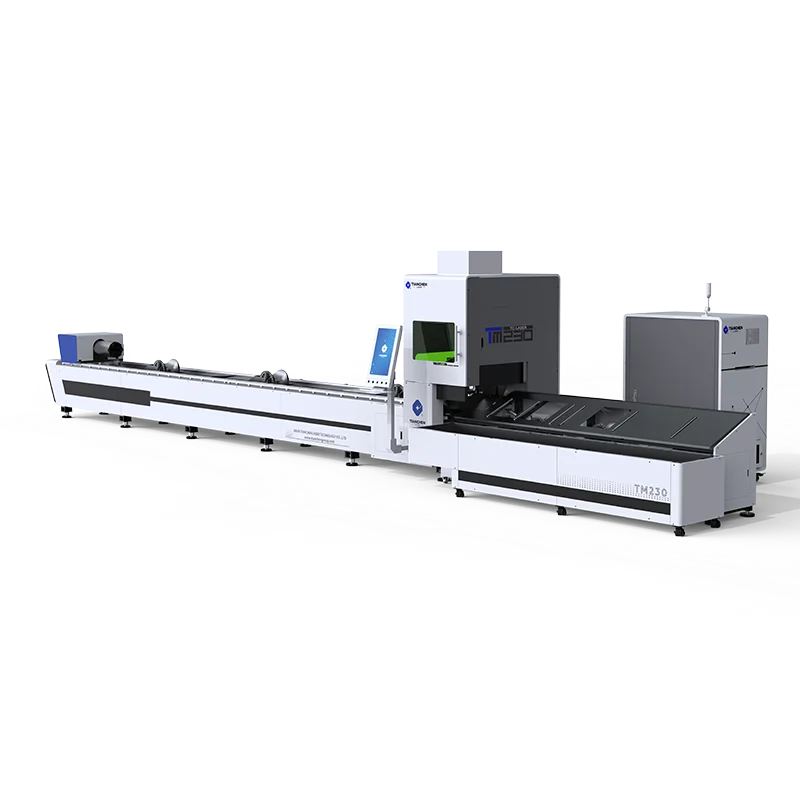
Steel Cutting Machine Matches Laser Technology for Fine Processing
A precision engineering firm that manufactured components for medical devices needed steel parts with tolerances tighter than ±0.05mm. Traditional plasma cutting could not achieve the required accuracy. Waterjet cutting was too slow and left a rough edge. The firm turned to a laser steel cutting machine—and achieved tolerances of ±0.03mm with a clean, burr-free edge that required no secondary finishing.
The combination of a steel cutting machine and fiber laser technology has redefined what is possible in metal fabrication. Laser cutting now delivers precision that rivals machining, with the speed and cost-effectiveness of thermal cutting. For applications requiring fine processing—intricate geometries, tight tolerances, and superior surface quality—a laser steel cutting machine is the tool of choice.
What Makes Laser Cutting Fine Processing?
Fine processing refers to cutting operations that demand exceptional accuracy, edge quality, and dimensional consistency. A steel cutting machine using laser technology achieves this through several mechanisms:
Focused beam energy. The laser beam is focused to a spot size as small as 0.1mm, delivering intense energy to a precisely defined area. This concentration of energy creates a narrow kerf—typically 0.15–0.3mm—minimizing material loss and heat input.
Minimal heat-affected zone. The laser's high energy density and short interaction time limit heat conduction into the surrounding material. The heat-affected zone on a laser steel cutting machine is typically 0.1–0.5mm, compared to 1–3mm for plasma or flame cutting.
Clean edge quality. Laser cutting produces a smooth, square edge with minimal dross. For many applications, the cut edge requires no secondary processing—saving time and cost.
High positional accuracy. Modern laser steel cutting machines use precision linear guides, high-resolution encoders, and CNC controls that position the cutting head to within ±0.01mm. This translates to part dimensional accuracy of ±0.05mm or better.
The Role of Fiber Laser Technology
Fiber lasers have become the standard for fine processing on a steel cutting machine. The shorter wavelength (1.06 microns) produces a tighter focus than CO₂ lasers, delivering higher power density at the cutting point. This allows the laser steel cutting machine to cut thinner sections with exceptional precision.
The beam quality of a fiber laser is also superior. The M² value—a measure of beam quality—is typically 1.1–1.3 for fiber lasers, compared to 3–5 for CO₂ lasers. A lower M² value means the beam can be focused to a smaller spot, increasing the intensity at the cutting point. This is essential for fine processing where the kerf width and heat-affected zone must be minimized.
Fiber lasers also offer faster processing speeds. A steel cutting machine with a fiber laser source cuts thin steel 2–3 times faster than a CO₂ laser of the same power. The faster cutting speed reduces heat input, improving edge quality and minimizing distortion.
Precision Capabilities of a Laser Steel Cutting Machine
A modern steel cutting machine achieves remarkable precision:
Tolerances: ±0.05mm is standard on high-quality machines. Some systems achieve ±0.03mm on thin materials.
Kerf width: 0.15–0.3mm, depending on material and thickness. Narrower kerf means less material waste and the ability to cut smaller features.
Edge squareness: Typically 0.01–0.02mm per 10mm of thickness. The cut edge is perpendicular to the surface, essential for parts that must fit together precisely.
Surface roughness: Ra 1.6–3.2 microns is typical on laser-cut edges. This is smooth enough for most applications without secondary finishing.
Minimum feature size: A laser steel cutting machine can cut holes as small as the material thickness—for example, a 2mm hole in 2mm steel. Features smaller than the material thickness are possible with specialized techniques.
Applications Requiring Fine Processing
Several industries demand the precision that a laser steel cutting machine provides:
Medical devices. Surgical instruments, implants, and device housings require exceptional precision and clean edges. A steel cutting machine with laser technology produces parts that meet FDA and ISO 13485 requirements.
Aerospace. Aircraft components require tight tolerances and superior edge quality. Laser cutting produces parts that meet aerospace specifications without secondary processing.
Electronics. Enclosures, brackets, and heat sinks for electronic devices require precise dimensions and clean edges. A laser steel cutting machine delivers the accuracy needed for electronics manufacturing.
Automotive. Precision components for fuel systems, sensors, and safety systems require consistent quality. Laser cutting provides the repeatability that automotive production demands.
Architectural. Decorative panels, stair treads, and architectural features require clean edges and precise dimensions. A steel cutting machine with laser technology produces architectural components with superior appearance.
Quality Factors in Laser Fine Processing
Several factors influence the quality of fine processing on a laser steel cutting machine:
Beam quality. A high-quality beam with low M² value produces a smaller focus spot and cleaner cuts. Fiber lasers excel in this area.
Assist gas. The choice of gas—oxygen, nitrogen, or air—affects edge quality. Nitrogen produces the cleanest edge for fine processing applications.
Cutting speed. Optimal speed balances throughput with quality. Too fast, and the cut may not penetrate; too slow, and the heat-affected zone increases.
Focus position. The focal point must be precisely positioned relative to the material surface. Variation of ±0.1mm can affect cut quality significantly.
Nozzle condition. A worn or damaged nozzle disrupts the gas flow, affecting cut quality. Regular nozzle inspection and replacement are essential.
A Real-World Example: Precision Parts for Medical Devices
A medical device manufacturer needed 316L stainless steel components with tolerances of ±0.05mm and a surface finish of Ra 1.6 microns. The parts had complex geometries with multiple holes and slots. The manufacturer had been using wire EDM, which was slow and expensive—costing over $5 per part.
The manufacturer switched to a Tianchen Laser steel cutting machine with a 3kW fiber laser. The laser cut the parts in 45 seconds each—compared to 8 minutes for EDM—with tolerances of ±0.04mm and a surface finish of Ra 1.8 microns. The edge quality was clean enough that no deburring was required. The cost per part dropped to $0.80. The laser steel cutting machine paid for itself in 11 months.
Frequently Asked Questions
What is fine processing in laser cutting?
Fine processing refers to cutting operations that demand exceptional accuracy, edge quality, and dimensional consistency. A steel cutting machine with laser technology achieves tolerances of ±0.05mm, kerf widths of 0.15–0.3mm, and surface finishes of Ra 1.6–3.2 microns.
What tolerances can a laser steel cutting machine achieve?
A high-quality steel cutting machine with fiber laser technology achieves tolerances of ±0.05mm on thin materials. Some systems achieve ±0.03mm. The tolerance depends on material thickness, machine quality, and cutting parameters.
Why is fiber laser better for fine processing?
Fiber lasers produce a shorter wavelength (1.06 microns) that focuses to a smaller spot size. This delivers higher power density at the cutting point, producing narrower kerfs, smaller heat-affected zones, and cleaner edges than CO₂ lasers.
Does laser cutting require secondary finishing?
For many applications, a laser steel cutting machine produces edges that require no secondary finishing. The cut edge is clean, square, and smooth enough for most industrial applications. Some high-precision applications may require light deburring.
What industries need fine laser cutting?
Medical devices, aerospace, electronics, automotive, and architectural industries require the precision that a steel cutting machine with laser technology provides. These industries demand tight tolerances, clean edges, and consistent quality.
How does cutting speed affect quality on a steel cutting machine?
Optimal cutting speed balances throughput with quality. Too fast, and the cut may not penetrate completely. Too slow, and the heat-affected zone increases, potentially causing discoloration or distortion. The steel cutting machine's control software includes optimized speed parameters for each material and thickness.