
 EN
EN
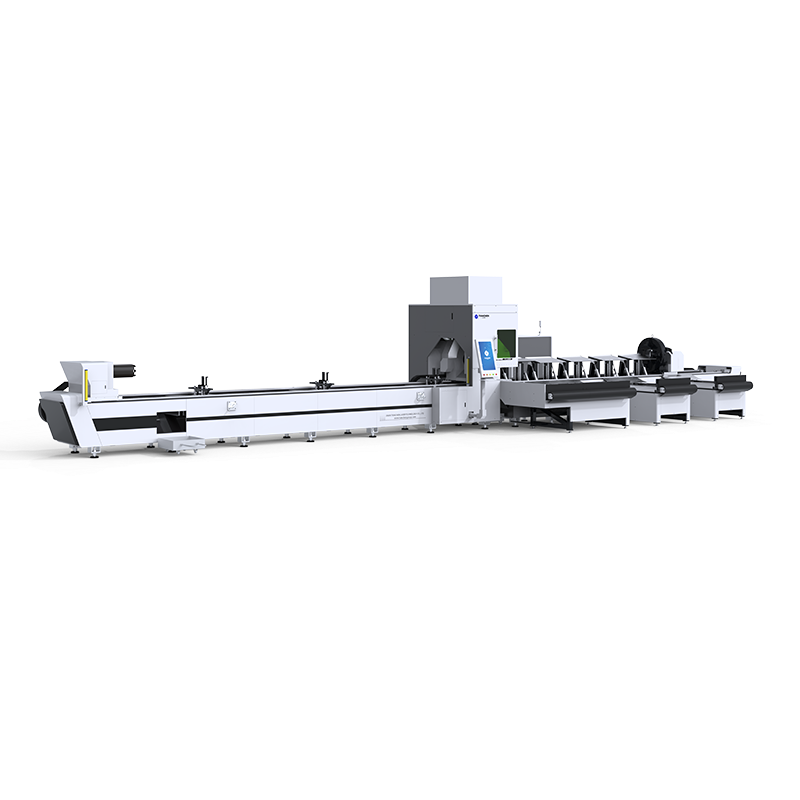
Laser Metal Cutting Machine Saves Material in Processing
A metal fabrication shop processed 500 tons of steel annually. The shop's scrap rate was 18%—nearly 100 tons of material going to waste each year. At current steel prices, that represented over 100,000 in lost material annually. The shop upgraded to a laser metal cutting machine with advanced nesting software. Within six months, the scrap rate dropped to 8%, saving 55,000 per year in material costs. The software paid for itself in the first quarter.
Material cost is the single largest expense in metal fabrication—often 40–60% of the total job cost. A laser metal cutting machine that maximizes material utilization directly improves profitability. The combination of precision cutting, intelligent nesting, and strategic part placement turns what was once scrap into finished parts.
How Nesting Software Saves Material
Nesting is the process of arranging parts on a sheet of metal to minimize waste. A laser metal cutting machine with advanced nesting software uses algorithms to find the most efficient arrangement of parts on each sheet.
The software considers part geometry, sheet dimensions, kerf width (the material removed by the laser cut), and material grain direction if required. It then generates a cutting plan that maximizes the number of parts per sheet while minimizing waste.
Modern nesting software achieves material utilization rates of 80–90% on typical sheet metal work, compared to 65–75% with manual nesting. This 10–15% improvement in material utilization translates directly to lower material costs.
Some advanced nesting systems achieve even higher utilization. With intelligent part clustering and common-line cutting—where adjacent parts share a single cut line—material utilization can exceed 90%.
The Cost Impact of Material Waste
Material waste is expensive—far more than most shop owners realize. Consider a shop that processes 1,000 tons of steel per year. At 800 per ton, the annual material cost is 800,000. A 15% scrap rate means $120,000 of material goes to waste each year.
A laser metal cutting machine with effective nesting software can reduce scrap to 5–8%. The annual material saving of 56,000–80,000 is significant. Over five years, the savings exceed $300,000—enough to pay for the laser metal cutting machine itself.
Beyond raw material cost, there are additional savings: less material handling, lower disposal costs for scrap, and reduced storage requirements for raw material inventory.
Common-Line Cutting – Sharing Cut Lines
One of the most effective material-saving techniques on a laser metal cutting machine is common-line cutting. Adjacent parts are cut with a single cut line between them—eliminating the kerf width that would otherwise be wasted between parts.
Common-line cutting requires parts with straight edges that can be aligned. The laser metal cutting machine cuts the shared line once, separating both parts. The saving is typically 0.2–0.5mm per shared edge—small per part, but significant across hundreds of parts per sheet.
Common-line cutting can improve material utilization by 2–5% on parts with straight edges. For high-volume production of rectangular or square parts, the saving is substantial.
AI-Powered Nesting – The Next Frontier
Artificial intelligence is transforming nesting on laser metal cutting machines. AI-powered nesting software learns from each cutting job, continuously improving the nesting algorithm.
AI nesting can handle complex constraints that traditional software cannot. For example, it can avoid cutting near holes from previous jobs on remnant sheets, or it can cluster parts of similar material thickness to maximize yield from off-cuts.
AI nesting also reduces programming time. What once took an experienced programmer hours now takes minutes. The laser metal cutting machine stays productive longer, and the shop can respond faster to customer orders.
Minimizing Piercing and Lead-In Waste
Every cut on a laser metal cutting machine starts with a pierce—the laser firing to penetrate the material. Piercing leaves a small mark and consumes a small amount of material around the entry point.
Efficient nesting minimizes the number of pierces by using common-line cutting and continuous cutting paths. A laser metal cutting machine with optimized cutting sequences can reduce piercing time by 30–50%, improving both material utilization and throughput.
Some advanced systems start cutting in a material-free zone, eliminating the piercing mark on the finished part. This is particularly valuable for parts with cosmetic requirements.
Using Remnant Material
Not all material waste is scrap. Off-cuts from previous jobs—remnant sheets—can be used for smaller parts. A laser metal cutting machine with remnant management software tracks available remnant material and suggests nesting jobs that fit on those remnants.
Remnant utilization can recover an additional 5–10% of material that would otherwise go to scrap. Over time, this adds up to significant savings.
The key is having an organized remnant inventory and software that can match jobs to available remnants. A laser metal cutting machine with integrated remnant management makes this process seamless.
A Real-World Example: The Shop That Cut Scrap in Half
A structural steel fabricator processed 800 tons of material annually. The shop's scrap rate was 22%—the highest in its peer group. The owner invested in a Tianchen Laser metal cutting machine with advanced nesting software and common-line cutting capability.
The nesting software analyzed part geometries and found that many parts could be nested more efficiently with common-line cutting. The laser metal cutting machine cut shared edges between adjacent parts, eliminating the kerf waste between them.
Within the first year, the scrap rate dropped to 9%. Material savings totaled $83,000 annually. The laser metal cutting machine and nesting software paid for themselves in 14 months. The shop's profitability improved significantly, and the owner expanded the business with the savings.
Frequently Asked Questions
How much material can a laser metal cutting machine save?
A laser metal cutting machine with advanced nesting software typically saves 10–15% of material compared to manual nesting. In high-volume production, the saving can exceed 20%. The exact saving depends on part geometry and nesting efficiency.
What is nesting software for laser cutting?
Nesting software arranges parts on a sheet of metal to minimize waste. It considers part geometry, sheet dimensions, kerf width, and other constraints to find the most efficient arrangement. A laser metal cutting machine with nesting software achieves 80–90% material utilization.
What is common-line cutting?
Common-line cutting is a technique where adjacent parts share a single cut line. The laser metal cutting machine cuts the shared line once, separating both parts. This eliminates the kerf width that would otherwise be wasted between parts, saving 2–5% of material.
Can AI improve nesting efficiency?
Yes. AI-powered nesting software learns from each job and continuously improves the nesting algorithm. It can handle complex constraints and reduce programming time significantly. A laser metal cutting machine with AI nesting achieves higher material utilization than traditional software.
Can remnant material be used for future jobs?
Yes. A laser metal cutting machine with remnant management software tracks available off-cuts and suggests nesting jobs that fit on those remnants. Remnant utilization can recover an additional 5–10% of material.
How does material saving impact profitability?
Material cost is typically 40–60% of total job cost in metal fabrication. A 10% reduction in material waste directly increases profit margin by 4–6% of revenue. For a 1 million shop, that is 40,000–$60,000 in additional profit annually.