
 EN
EN
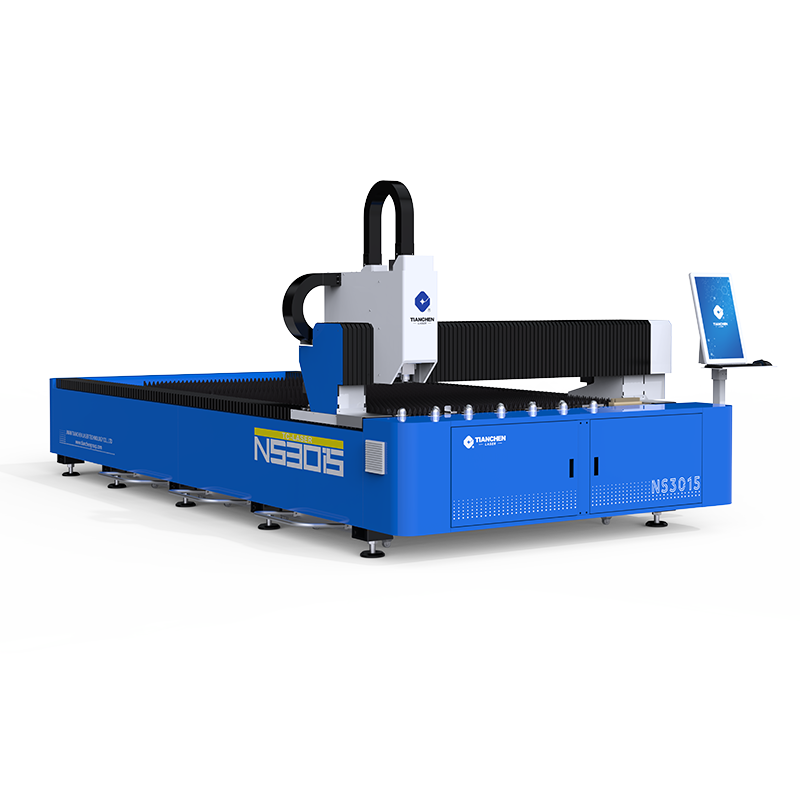
How Modern Steel Cutting Machines Achieve High-Speed Performance
Beam Quality (BPP) and Dynamic Acceleration (>1.2 g) as Core Enablers
Modern steel cutting machines achieve unprecedented cutting velocities through two fundamental engineering advances: superior beam quality and inertial control. Optimized Beam Parameter Product (BPP) values below 2.5 mm·mrad concentrate laser energy with micron-level precision, enabling faster vaporization of thick steel plates while reducing heat-affected zones. Simultaneously, motion systems with dynamic acceleration exceeding 1.2 g dramatically decrease non-cutting transit time—cutting idle motions between cut paths by 47% compared to conventional models (Ponemon 2023). This translates to 740 extra cutting hours annually for high-volume fabricators. The synergy of high photon density and rapid directional changes allows continuous processing of complex contours at feed rates surpassing 150 m/min.
Case Study: Reducing Cut Time to 22 s on 32 mm Q345 Steel
Industry validation confirms these principles in practice: when processing 32 mm Q345 carbon steel—a common structural material—high-frequency modulation of assist gas pressure combined with adaptive acceleration profiles achieved a full piercing and cutting cycle in just 22 seconds. This represents a 68% reduction from legacy system averages, driven primarily by eliminating non-productive repositioning intervals. Key enablers included real-time thermal compensation to prevent dimensional drift during extended runs, collision-avoidance algorithms that sustain maximum safe traverse speeds, and pulse-width modulation that suppresses dross formation even at accelerated feed rates.
Material-Specific Optimization in Steel Cutting Machines
Nitrogen-Assisted 6 kW Fiber Lasers for Stainless Steel ≤25 mm
Stainless steel demands specialized parameters to prevent oxidation during cutting. Nitrogen-assisted 6 kW fiber lasers deliver inert-gas protection, enabling clean, oxide-free cuts on sheets up to 25 mm thick. BPP optimization concentrates energy to minimize heat distortion while maintaining ±0.1 mm dimensional tolerances—eliminating chromium oxide formation at edges and reducing post-processing needs by 40% compared to oxygen-assisted methods. Focal point calibration matched precisely to material thickness also delivers 22% faster pierce times.
Pulse Frequency Modulation to Eliminate Dross on 16–30 mm Carbon Steel
Carbon steel in the 16–30 mm range requires dynamic pulse control to prevent dross adhesion. Modern steel cutting machines modulate pulse frequency between 500–1500 Hz, disrupting molten metal flow patterns before surface tension forces allow droplets to solidify. This maintains slag-free edges at sustained cutting speeds of 4.5 m/min. Thermal imaging confirms a 60°C reduction in kerf zone temperature versus continuous-wave operation—preserving microstructure integrity in critical structural components.
Structural Integrity and Thermal Stability of Industrial Steel Cutting Machines
Cast-Iron Bedframes with Active Cooling Limit Thermal Drift to <12 µm/h
Maintaining micron-level accuracy in industrial steel cutting machine operations requires rigorous thermal management, as even minor temperature fluctuations induce material expansion that compromises dimensional tolerances. High-performance systems counteract this using cast-iron bedframes with embedded cooling channels—a design that simultaneously dampens vibration and dissipates heat from cutting processes. Active cooling circulation maintains the bedframe temperature within ±0.5°C, restricting thermal drift to under 12 micrometers per hour during continuous operation on thick-section steel. This stability prevents cumulative positioning errors during long-duration jobs and is essential for achieving ±0.03 mm repeatability in demanding aerospace and energy component fabrication. Without such stabilization, heat-induced deformation would cause kerf taper and accelerate nozzle wear.
Selecting the Right Steel Cutting Machine for Heavy Industry Applications
Choosing an optimal steel cutting machine requires evaluating critical operational parameters against heavy industry demands. First, match material thickness capabilities to primary workloads: machines handling >30 mm carbon steel need nitrogen-assisted 6 kW fiber lasers for clean edges, while stainless steel under 25 mm benefits most from pulse modulation. Production volume dictates acceleration requirements—systems exceeding 1.2 g dynamic acceleration reduce cycle times by 18% for high-throughput operations (Fabrication Efficiency Journal 2023).
| Consideration | Heavy Industry Requirement | Impact Metric |
|---|---|---|
| Structural Stability | Cast-iron bedframes | <12 µm/hour thermal drift |
| Precision Control | CNC-guided motion systems | ±0.1 mm tolerance maintenance |
| Throughput Optimization | Automated loading interfaces | 22-second cut cycles on 32mm plate |
Prioritize thermal management systems with active cooling to maintain dimensional accuracy during continuous operation. Finally, conduct lifecycle cost analysis balancing upfront investment against energy consumption and maintenance needs—robust machines with modular components typically deliver 23% lower operational costs over five years. This strategic approach ensures peak productivity while minimizing material waste in mining, shipbuilding, and structural fabrication applications.
Frequently Asked Questions
What is Beam Parameter Product (BPP) and why is it important in steel cutting?
Beam Parameter Product (BPP) is a measure of laser beam quality. Lower BPP values indicate better beam quality, concentrating laser energy with precision, allowing efficient cutting with reduced heat effects.
How do dynamic acceleration and CNC-guided systems contribute to cutting efficiency?
Dynamic acceleration reduces transit times between cuts, increasing overall operational efficiency by minimizing idle time. CNC-guided systems ensure precision control, maintaining accuracy even at high speeds.
Why are cast-iron bedframes with active cooling essential in industrial steel cutting machines?
They ensure structural integrity by minimizing thermal expansion and vibration, which maintains dimensional accuracy and precision even during prolonged cutting sessions.
Table of Contents
- How Modern Steel Cutting Machines Achieve High-Speed Performance
- Material-Specific Optimization in Steel Cutting Machines
- Structural Integrity and Thermal Stability of Industrial Steel Cutting Machines
- Selecting the Right Steel Cutting Machine for Heavy Industry Applications
- Frequently Asked Questions