
 EN
EN
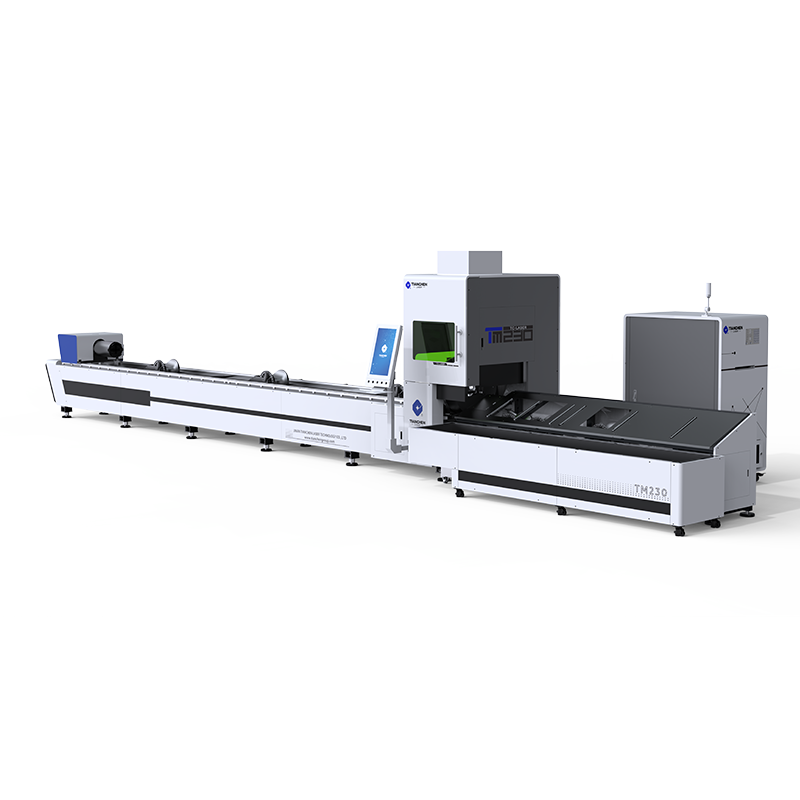
The Efficiency Bottlenecks of Manual and Semi-Automatic Steel Cutting
Traditional steel cutting methods create significant operational drag through material inefficiency and process instability. Fabricators relying on manual or semi-automated systems often face hidden costs that erode profitability.
Material wastage and scrap rates in conventional steel cutting
Non-automated steel cutting generates excessive scrap due to inconsistent kerf widths, measurement errors, and uncontrolled thermal input. Operators struggle to maintain optimal blade or torch alignment—leading to irregular cuts that trigger rework. Thermal distortion from plasma cutting further degrades yield, as warped sections become unusable. Industry benchmarks show scrap rates exceeding 15% in conventional setups versus under 3% with fully automated systems, driving up raw material expenditures by as much as 30%.
Downtime, human error, and tolerance drift in non-automated setups
Human-dependent processes introduce reliability risks at multiple stages: fatigue leads to incorrect gauge settings; manual measurements cause tolerance drift beyond ±0.5mm; and undetected tool wear gradually degrades cut quality until defects surface. Without real-time feedback loops, these issues cascade—triggering quality rejections, recalibrations, and unplanned downtime that accounts for 20–30% of scheduled production time. According to the Operations Management Journal (2023), modern high-speed steel (HSS) mills attribute 23% of productivity loss to such operational instability.
Key Benefits of an Automatic Steel Cutting Machine for High-Volume Fabrication
Consistent precision, repeatability, and reduced operator dependency
Automatic steel cutting machines maintain cutting accuracy within ±0.1mm across thousands of cycles—eliminating human measurement errors and tolerance drift. This consistency ensures identical components for assembly-line production and reduces rework by up to 90%, per 2024 fabrication benchmarks. Integrated path optimization and collision avoidance enable continuous, supervised operation—cutting operator-dependent bottlenecks by 40% in high-volume environments.
Throughput gains and labor cost reduction: real-world ROI metrics
Automated material handling and uninterrupted operation unlock 24/7 production capacity, delivering measurable efficiency improvements:
- Throughput increase: Automated loading/unloading achieves 30% faster cycle times versus manual operations
- Labor optimization: One operator can manage three or more machines simultaneously, reducing labor costs by 50% per unit
- ROI acceleration: Fabricators report 18-month payback periods driven by combined waste reduction (15% less material scrap) and energy efficiency (40% lower kWh/ton)
These gains directly strengthen competitiveness—especially for contracts exceeding 10,000 units, where speed, consistency, and cost control determine bid success and margin sustainability.
Selecting the Right Automatic Steel Cutting Machine for Your Workshop
Fiber laser vs. plasma vs. waterjet: matching technology to material thickness and accuracy needs
Fiber laser cutting delivers pinpoint accuracy (±0.1mm) and minimal heat-affected zones—ideal for thin sheet steel (<12mm) and intricate designs on premium alloys. Plasma systems offer higher throughput on thicker plates (up to 50mm), though with wider kerfs (±0.5mm) and greater thermal distortion. Abrasive waterjet cutting avoids thermal stress entirely, making it suitable for non-conductive or heat-sensitive materials like stone composites. Advanced nesting algorithms—common in modern laser platforms—reduce scrap by up to 18%, reinforcing their value in high-precision, low-waste workflows.
Integration readiness: retrofitting automation into legacy workflows and CNC ecosystems
When upgrading existing infrastructure, prioritize machines with open API architecture and Modbus TCP protocol support to ensure seamless integration into legacy CNC ecosystems. Compatibility with standard G-code formats prevents reprogramming delays, while embedded sensors monitor tool wear in real time—reducing unplanned downtime by 30% in high-mix production. Collision avoidance systems should also interface natively with facility-wide IoT infrastructure to preserve workflow continuity during phased automation rollouts.
FAQs
Why is automation important in steel cutting?
Automation enhances precision and repeatability, reducing human error and operational inefficiencies. It also increases throughput and lowers labor costs.
What are the benefits of using a fiber laser cutting machine?
Fiber laser machines offer high accuracy and minimal thermal distortion, making them ideal for thin sheet steel and complex designs.
How does the ROI of automatic machines compare with manual methods?
Automatic machines typically offer faster payback periods, with noted 18-month ROI due to savings in labor, material scrap, and energy use.