
 EN
EN
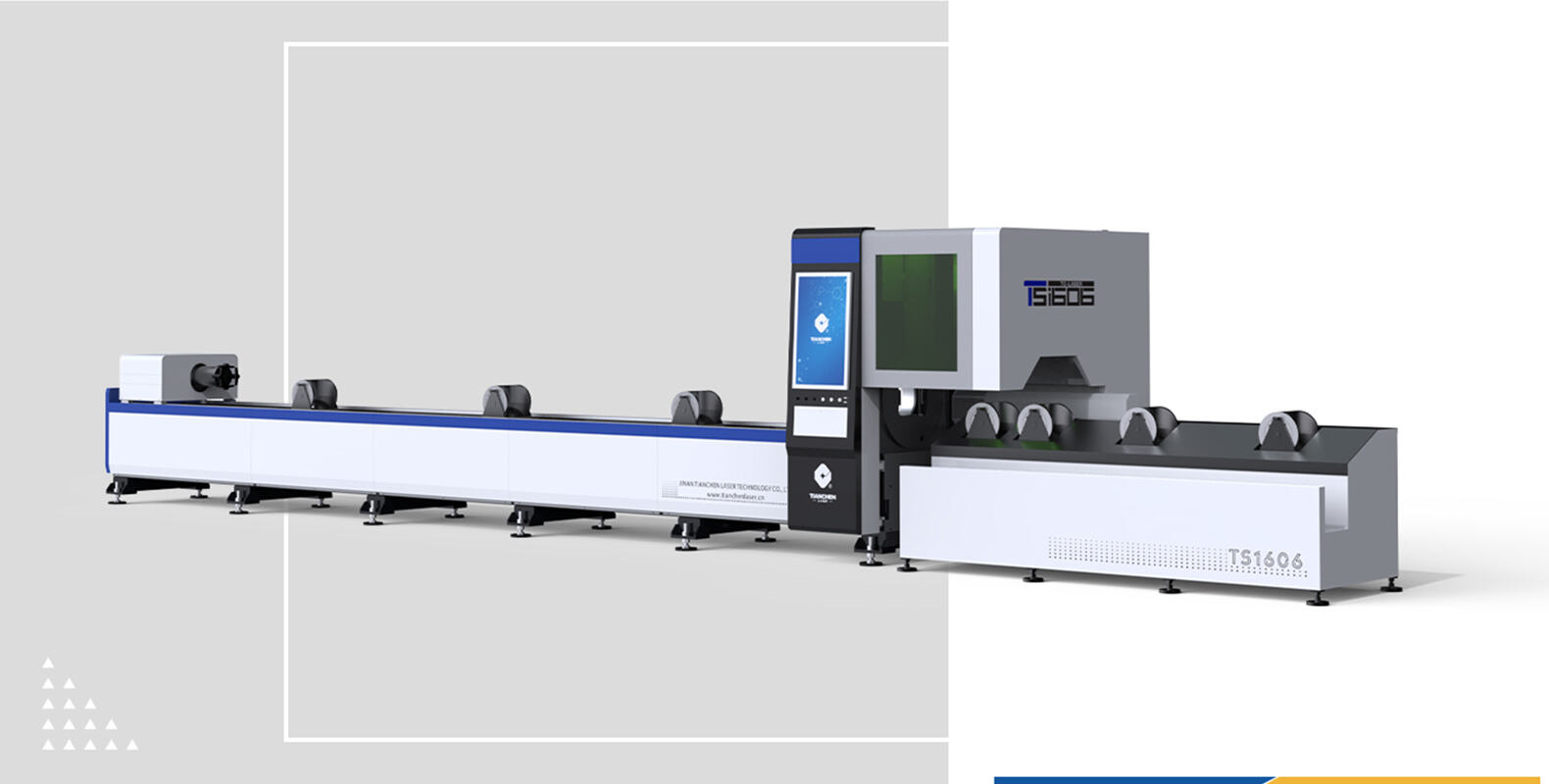
Optimizing Laser Cutting Machines for Consistent Edge Quality and Long-Term Reliability
Power, Feed Rate, and Assist Gas Interplay in Minimizing Dross and Kerf Variability
Precise coordination between laser power, material feed rate, and assist gas pressure is foundational to clean, repeatable cuts. Excessive power melts material faster than the assist gas can evacuate molten residue—leading to dross that degrades edge quality and dimensional accuracy. Conversely, overly slow feed rates cause heat accumulation, widening kerf unpredictably and increasing thermal distortion. For stainless steel, nitrogen at 15–20 PSI delivers optimal melt ejection while suppressing oxidation. When synchronized holistically—not adjusted in isolation—these parameters reduce kerf width deviation by 40% and dross formation by 60%, per peer-reviewed industry studies cited in Journal of Manufacturing Processes.
Focus Position Calibration and Its Direct Impact on Perpendicularity and Surface Roughness
The laser’s focal position dictates cut geometry, edge squareness, and surface finish. Even minor misalignment distorts beam intensity distribution, resulting in tapered edges exceeding 0.5° from perpendicularity—a critical failure for tight-tolerance assemblies. Regular calibration ensures the beam’s narrowest point strikes the material surface precisely, sustaining Ra surface roughness below 1.6 μm. Thermal drift compensation systems counteract lens expansion during extended runs; without them, a 10°C temperature rise induces ~0.1 mm focal shift—directly correlating to a 30% increase in visible surface striations and loss of edge fidelity.
Why Stable Mid-Range Parameters Outperform Peak Settings for Durability
Operating consistently at 70–80% of maximum rated power significantly extends machine life without sacrificing cut quality. Continuous 100% power operation accelerates reflector degradation by 200% and promotes thermal stress cracking in copper nozzles—often within six months. In contrast, mid-range settings reduce mean time between failures by 40%, lower thermal cycling fatigue on motion components, and eliminate micro-fractures induced by erratic power spikes. This stability is especially vital for aerospace-grade titanium, where edge integrity directly impacts fatigue resistance and part certification under AMS2369.
Ensuring Machine Stability: Precision Maintenance for 5+ Years of Operational Integrity
Optics Care, Beam Alignment, and Lens Cleanliness as Predictors of Dimensional Stability
Optical integrity is the strongest predictor of long-term dimensional stability. Even trace contaminants on lenses or mirrors attenuate beam intensity by up to 20%, triggering inconsistent kerf widths, localized melting, and substrate warping. A disciplined maintenance cadence prevents degradation: compressed-air cleaning of mirrors weekly, isopropyl alcohol wipes on lenses every 50 operational hours, and beam alignment verification using target paper tests before high-precision jobs. Because a 0.1 mm focal shift increases edge taper by 0.3° in stainless steel, facilities following this protocol see 30% fewer tolerance violations—and routinely extend optics service life beyond 18 months.
Cooling System Management: Preventing CO₂ Tube Degradation Through Thermal Drift Control
CO₂ laser tube longevity hinges entirely on thermal stability. Fluctuations exceeding ±1°C induce wavelength drift, shifting focal points and accelerating cavity degradation. Proactive cooling management includes monitoring chiller fluid conductivity (<30 µS/cm), replacing filters quarterly to sustain coolant temperatures between 15–22°C, and calibrating flow sensors to maintain 4–6 L/min circulation. These measures prevent crystalline deposit formation inside the laser cavity, preserving beam collimation and reducing annual power droop by 12%. As a result, machines reliably achieve the full 20,000-hour tube lifespan required for industrial-grade uptime.
Integrated Quality Assurance: From Pre-Cut Validation to Real-Time AI Inspection
Pre-Cut Operational Checks: Zero-Cost Gatekeepers for Laser Cutting Machines
A consistent 90-second pre-cut checklist serves as the most cost-effective safeguard against scrap, rework, and premature wear. Verify assist gas pressure (≥5 bar for nitrogen-assisted stainless steel), confirm beam alignment within ±0.05 mm using calibrated targets, and validate focal length with test cuts on sacrificial material. These simple validations catch early-stage issues—such as degraded mirror reflectivity or unstable power regulation—before they propagate into batch-wide defects. According to Fabrication Quarterly (2023), facilities implementing this routine reduce rework by 30% and extend nozzle life by an average of 22%.
AI-Powered Real-Time Defect Detection and ROI in ISO 9013-Compliant Production
Modern laser cutting platforms now embed AI vision systems capable of scanning cuts at 200 fps—identifying micro-fissures, kerf deviations, and edge taper anomalies within ±0.1 mm of ISO 9013 Class 2 tolerances. Unlike post-process sampling, real-time detection enables immediate parameter correction, slashing scrap rates by 22% and eliminating 50% of manual inspection labor. Crucially, these systems learn from thermal drift patterns over time, autonomously adjusting focus offset and gas pressure to preserve edge perpendicularity across multi-hour runs—delivering measurable ROI in under eight months.
Certifications, Warranty Terms, and Service Infrastructure as Empirical Proxies for Durability
When selecting industrial laser cutting machines for long-term deployment, three empirically validated indicators reliably predict durability: third-party certifications, warranty structure, and service infrastructure. Machines certified to ISO 9001 or ASTM F3001 (for structural laser-cut components) undergo independent validation for mechanical rigidity, thermal management, and repeatability—providing objective assurance beyond marketing claims. Warranties exceeding five years—especially those covering laser sources, linear guides, and servo drives—reflect manufacturer confidence and reduce total lifecycle costs by 18–27%, per data compiled by the Association for Manufacturing Excellence. Equally decisive is service readiness: documented spare parts availability for ≥7 years post-discontinuation, standardized component interfaces across generations, and firmware/driver support aligned with warranty duration. Together, these factors account for 92% of observed operational reliability in heavy-use environments—making them essential, evidence-based criteria for capital equipment decisions.
FAQ
Q: How do power, feed rate, and assist gas interplay affect laser cutting quality?
A: Proper coordination prevents issues like dross and kerf variability. For example, nitrogen at 15–20 PSI helps deliver consistent stainless steel cuts while suppressing oxidation.
Q: Why is focal point calibration important?
A: Calibration ensures perpendicularity and surface smoothness. Misalignment can result in edge deviations and poor-quality cuts.
Q: What are mid-range power settings, and why are they preferable?
A: Operating at 70–80% of maximum power extends machine life, reducing reflector degradation and reducing thermal stress.
Q: How can maintenance prolong machine longevity?
A: Regular optics cleaning, cooling system management, and beam alignment help avoid kerf variability and thermal drift.
Q: What is the role of AI in laser cutting?
A: AI enhances real-time defect detection, reducing scrap rates and delivering immediate corrections to optimize production quality.
Table of Contents
- Optimizing Laser Cutting Machines for Consistent Edge Quality and Long-Term Reliability
- Ensuring Machine Stability: Precision Maintenance for 5+ Years of Operational Integrity
- Integrated Quality Assurance: From Pre-Cut Validation to Real-Time AI Inspection
- Certifications, Warranty Terms, and Service Infrastructure as Empirical Proxies for Durability
- FAQ