
 EN
EN
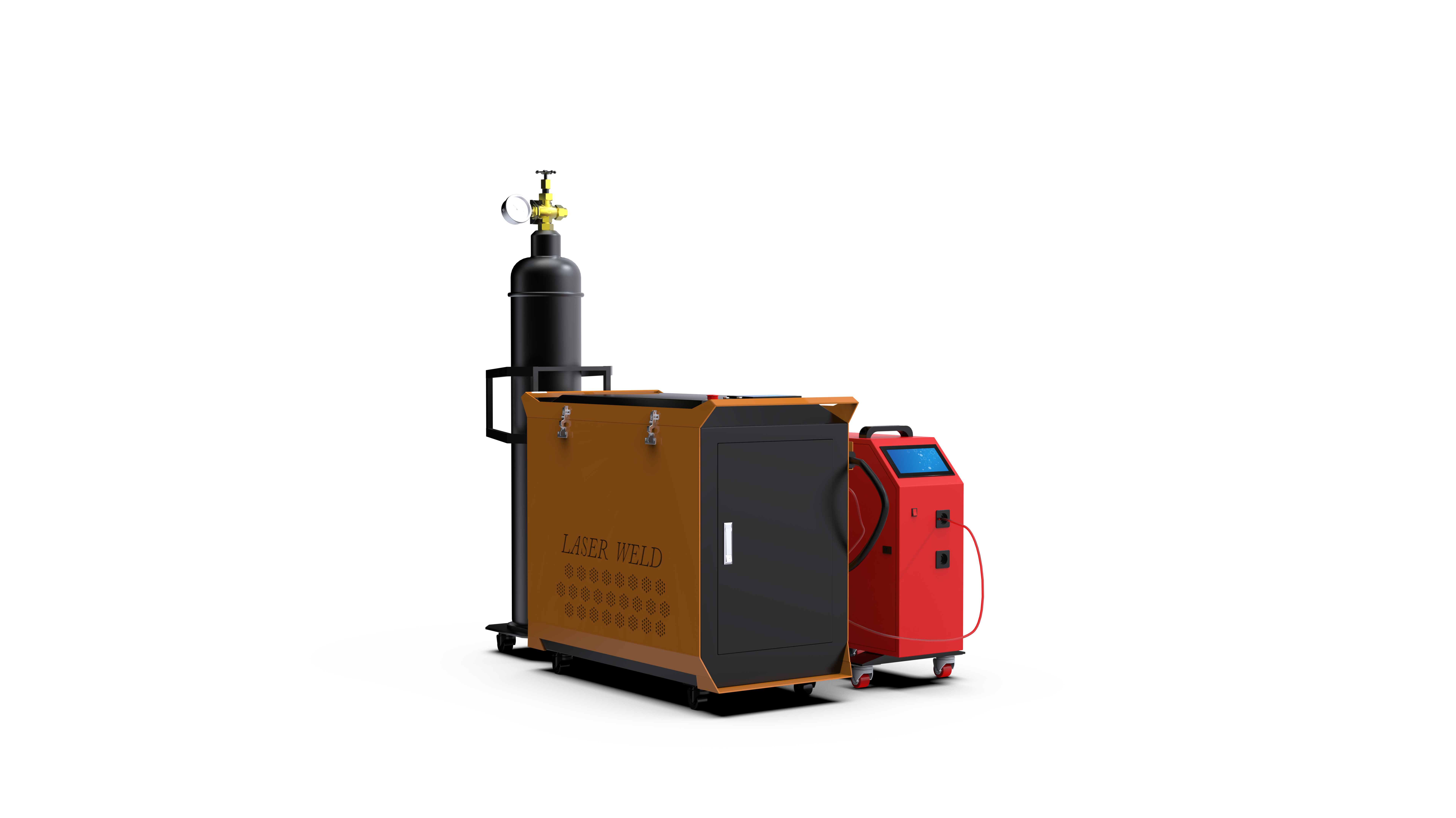
In the era of intelligent manufacturing, precision components—such as automotive battery trays, electronic device middle frames, and medical instrument parts—have increasingly strict requirements for welding quality. A high-quality laser welding machine not only ensures stable weld seams, minimal material deformation, and high production efficiency but also directly affects the long-term competitiveness of enterprises. As a high-tech enterprise with 29 years of experience in the laser equipment industry, Tianchen Laser has been committed to providing global customers with reliable laser welding solutions for precision components. This article will systematically explain how to scientifically select a laser welding machine for precision components from four core dimensions.
1. Clarify the Processing Requirements of Precision Components
The first step in selecting a laser welding machine is to align it with the specific processing needs of precision components, which mainly include three aspects: material characteristics, thickness specifications, and production scale.
For material characteristics, different metals require different laser welding technologies. For example, stainless steel precision parts (like electronic component shells) need laser machines with stable energy output to avoid oxidation; aluminum alloy parts (such as automotive battery trays) have high reflectivity, so a machine with strong anti-reflection capabilities is necessary. Tianchen Laser’s fiber laser welding machines (with 1500W-3000W optional power) are equipped with Raycus laser sources, which can effectively handle stainless steel, aluminum, copper, and other common precision component materials.
For thickness specifications, thin precision parts (e.g., 0.2mm-1mm electronic connectors) require low-power, high-precision pulse welding to prevent material melting; thick parts (e.g., 3mm-4mm automotive structural components) need high-power continuous welding to ensure sufficient weld depth. Tianchen Laser’s product line covers both low-power (1500W) and high-power (3000W) models, and its intelligent control system can adjust welding parameters in real time according to part thickness.
For production scale, if an enterprise has large-batch production needs, it is crucial to choose a supplier with sufficient production capacity. Tianchen Laser has an intelligent manufacturing base with an annual production capacity of over 10,000 units, ensuring timely delivery even for large orders; for small-batch customized precision components, Tianchen also provides flexible parameter adjustment and customized solutions.
2. Focus on Core Parameter Matching for Precision Welding
The core parameters of a laser welding machine directly determine its adaptability to precision components. The three most critical parameters are power density, cooling system, and control accuracy.
Power density is the key to ensuring weld quality. Too low power density will lead to incomplete welding, while too high will cause material burning. Tianchen Laser’s laser welding machines adopt a closed-loop power control system, which can maintain power stability within ±2%, ensuring uniform energy output for each weld seam—especially suitable for precision components that require consistent weld quality.
The cooling system affects the long-term stability of the machine. Precision component welding often requires long continuous operation; if the cooling effect is poor, the laser source will overheat, leading to reduced power and even equipment failure. Tianchen Laser’s water cooling system (with a cooling capacity of up to 5kW) can quickly dissipate heat, ensuring 7×24 hours of stable operation—meeting the high-efficiency production needs of precision component manufacturers.
Control accuracy determines the positioning precision of weld seams. For precision components with micron-level requirements (such as medical device parts), the machine’s positioning accuracy must reach 0.05mm or higher. Tianchen Laser’s laser welding machines are equipped with Cypcut AI control systems and HIWIN linear guides, with a positioning accuracy of 0.03mm and a repositioning accuracy of 0.02mm, fully meeting the high-precision welding needs of small and complex components.
3. Evaluate Brand and Supplier Strength
Choosing a laser welding machine is not just about buying equipment—it is about establishing a long-term cooperative relationship with a supplier. When evaluating brands, enterprises should focus on three dimensions: industry experience, global service capabilities, and R&D strength.
Industry experience reflects the supplier’s understanding of precision component welding. Founded in 1995, Tianchen Laser has accumulated nearly 30 years of experience in the laser equipment field, and its laser welding solutions have been widely applied in automotive manufacturing, electronic products, and medical devices—gaining recognition from customers in more than 100 countries and regions.
Global service capabilities ensure timely after-sales support. Precision component production has high continuity; if equipment fails, it will cause huge losses. Tianchen Laser has established a global service network, providing 24-hour technical support and on-site maintenance services. Its products also come with a 1-year warranty and free replacement of wearing parts, reducing the enterprise’s maintenance costs and downtime.
R&D strength determines the supplier’s ability to adapt to technological upgrades. Tianchen Laser has a professional R&D team and has obtained more than 20 software copyrights and patents. It regularly launches new products based on market changes (such as handheld laser welding machines for small-space precision components), helping enterprises keep up with the latest welding technology trends.
4. Conduct Practical Testing and Verify After-Sales Support
Before finalizing a purchase, enterprises must conduct practical testing to avoid “buying the wrong equipment.” The testing should focus on two aspects: weld quality and operation convenience.
For weld quality testing, enterprises can provide their own precision components to the supplier for sample welding, checking indicators such as weld seam smoothness, 熔深 (weld depth), and surface oxidation. Tianchen Laser provides free sample welding services, and its laser welding machines can achieve 0.2mm uniform fish-scale weld seams—meeting the aesthetic and performance requirements of high-end precision components.
For operation convenience, the machine’s interface design and parameter adjustment difficulty should be considered. Tianchen Laser’s laser welding machines adopt a humanized operation interface, with one-click parameter setting and real-time fault prompts—reducing the training cost for operators and improving production efficiency.
In summary, choosing a laser welding machine for precision components requires a comprehensive consideration of processing needs, core parameters, supplier strength, and practical testing. As a leading enterprise in the global laser equipment industry, Tianchen Laser integrates rich experience, advanced technology, and global services into its products—providing enterprises with “one-stop” precision welding solutions. By following the above methods, enterprises can select a laser welding machine that truly matches their needs, laying a solid foundation for the high-quality production of precision components.