
 EN
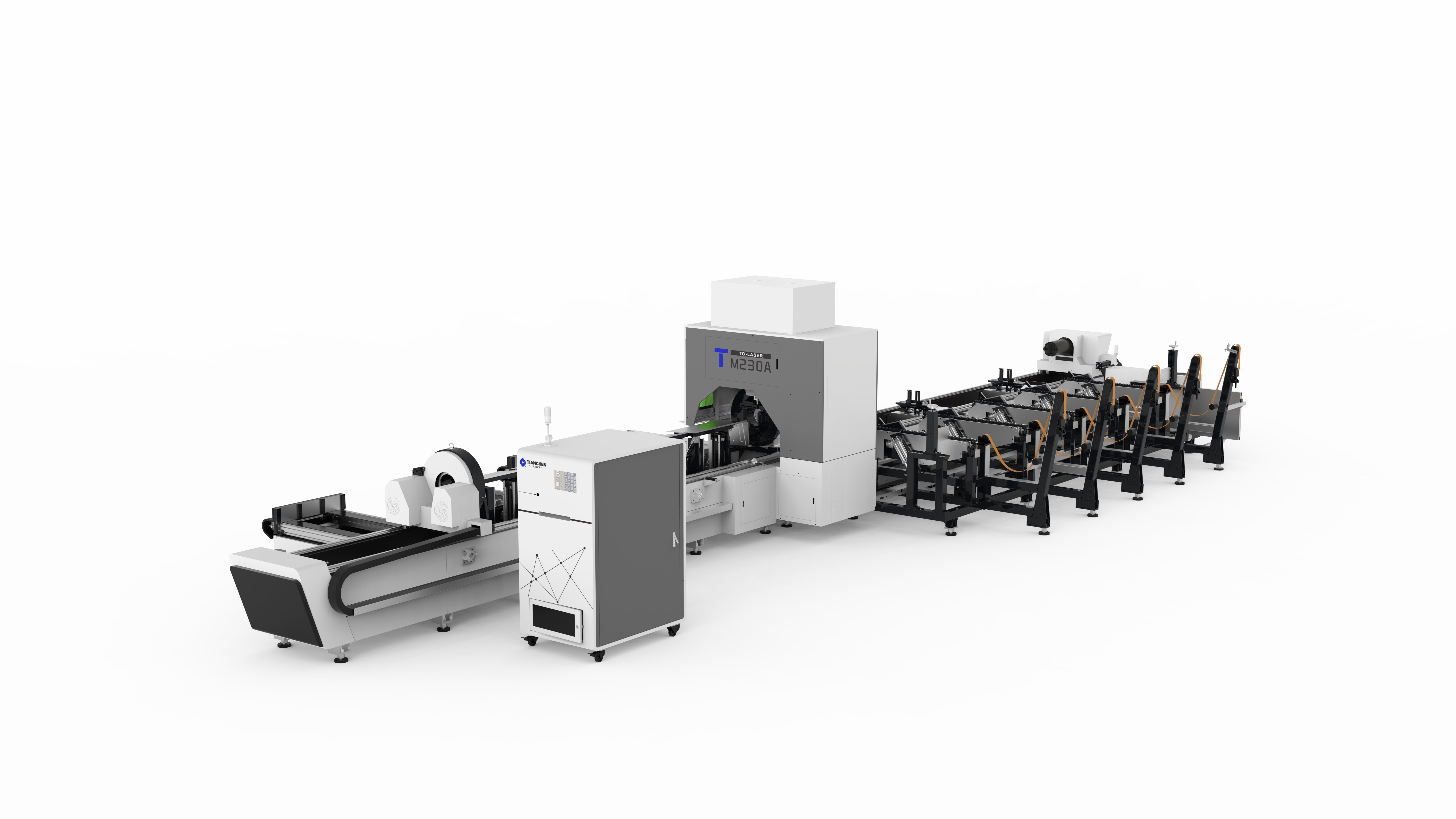
A modern cnc laser cutter for metal cuts sheet faster than operators can load it. That mismatch is the most common bottleneck in metal fabrication: the beam works for minutes while the machine waits for the next sheet, and the gap costs utilization on every shift. Manual loading adds a second cost, since full-size sheets are heavy, sharp-edged, and awkward to handle repeatedly across a shift. The shops that solve this problem treat loading and unloading as part of the machine specification rather than as an afterthought, and the solutions range from simple shuttle tables to fully automated robotic cells. The case evidence shows the gains are substantial and the payback logic is straightforward.
Real-World Industry Case / Scenario
Case One: Pallet Changer Doubling Unattended Time
A structural fabricator running a 12 kW cnc laser cutter for metal on 4 by 2 meter sheets faced a familiar pattern: each nest completed, the machine stopped, and two operators spent several minutes unloading finished parts and loading the next blank. The shop installed a pallet changer system, which holds two pallets and shuttles them in and out of the cutting area, allowing the completed pallet to be unloaded outside the machine while the next sheet is already cutting. Loading moved off the critical path entirely, and the machine ran through breaks and shift changes with sheets staged and ready.
A contract manufacturer with steady demand took automation further. A vacuum-based robotic loading cell feeds blanks from a staging rack onto the shuttle table, and a sorting conveyor removes finished parts into bins by program. The cell runs with minimal supervision during second and third shifts, producing parts while the plant is otherwise quiet. The fabricator's reported gains followed a consistent pattern: the cnc laser cutter for metal ran at high utilization without operator presence, finished-part handling left the cutting cell entirely, and labor moved from loading to value-added work such as deburring and inspection.
Risk & Failure Mode Analysis
Manual Handling Risks and Cycle Loss
Manual sheet handling concentrates risk in a narrow window of every cycle. Sheets weigh hundreds of kilograms at full size, edges are sharp enough to lacerate gloves, and repeated lifting across a shift produces strain injuries that appear gradually. Crane-assisted loading reduces strain but adds dependency on lifting equipment and introduces crush hazards during positioning. Beyond safety, every manual cycle introduces a gap where the machine is idle, and those gaps accumulate into lost capacity that rarely appears on any report. Quantifying them, through utilization logging, is usually the first step toward justifying automation.
Loading zones are where operators and machines interact most closely, which makes guarding and interlocks the critical safety layer. Area scanners, light curtains, and interlocked access panels prevent machine motion while personnel are in the loading area, and the control system must hold the cnc laser cutter for metal in a safe state whenever access opens. Vacuum lifting equipment requires its own inspection regime, since a vacuum failure during transfer drops a heavy sheet. These requirements follow ANSI Z136.1 for laser safety and ISO 11553-1 for laser processing machine safety, and they apply whether loading is manual, semi-automated, or fully robotic.
Technical Principles & Standard Compliance
Automation Options and Integration
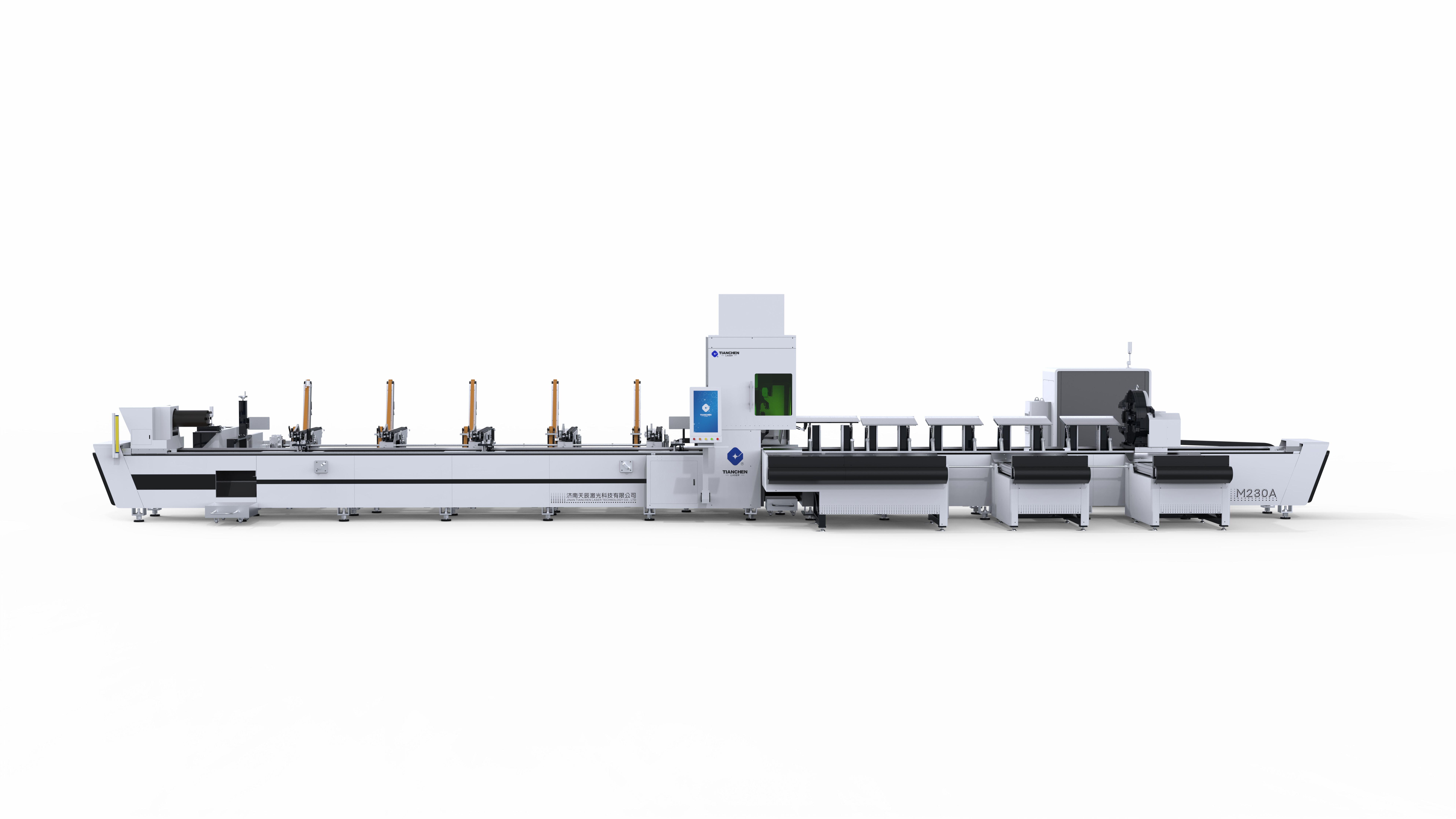
Loading automation spans a range of investment levels. Shuttle tables separate loading from cutting with minimal controls integration. Pallet changers stage entire pallets of blanks and finished skeletons, which suits high-volume production of similar nests. Conveyor systems with vacuum lifting handle continuous sheet feed for repetitive work. Robotic cells with vacuum end effectors handle mixed blanks and sorting, and they integrate with the machine control so that the cnc laser cutter for metal pauses, shuttles, and resumes without operator involvement. Each level requires progressively deeper integration between material handling controls and machine control, and the right level follows volume, labor cost, and the variability of the blank mix.
Guarding, Interlocks, and Standards
Automated loading does not remove the safety obligation; it relocates it. The loading area becomes a machine zone with its own guarding, scanners, and interlocks, and the transfer path must be protected so that neither sheet nor robot can enter the cutting envelope during operation. Fume extraction must cover the cutting area regardless of how loading is performed, and material staging must not obstruct egress. Compliance references remain ANSI Z136.1 for safe laser use and ISO 11553-1 for machine safety, and a cnc laser cutter for metal installation should be validated as a complete system rather than as machine plus accessories.
Actionable Buyer & Maintenance Guide
Choosing the Right Automation Level
The decision follows utilization arithmetic. If the machine idles waiting for material for a meaningful share of available time, automation pays for itself in recovered capacity; if utilization is already high, the same cnc laser cutter for metal investment returns little. Labor cost and availability matter as much as utilization, since third-shift staffing is often the hidden driver of lights-out automation. Blank variability matters too, since robotic cells handle mixed sizes and thicknesses more flexibly than fixed conveyors. Machine suppliers such as Jinan-based Tianchen Laser support this evaluation with application data on loading cycle times and integration requirements, allowing a cnc laser cutter for metal investment to be sized to the shop's actual constraint.
Maintenance of Loading Systems
Loading equipment carries its own maintenance profile. Vacuum cups and lifting beams require inspection and replacement on schedule, since vacuum loss during transfer drops heavy sheets. Shuttle and pallet mechanisms need alignment checks and drive maintenance, and position sensors that confirm sheet placement must be verified regularly, because a mispositioned blank produces scrap before the first cut. Integration between handling controls and machine control should be tested periodically, including the interlocks that stop cutting when access opens. Recording loading system downtime alongside machine downtime keeps the cnc laser cutter for metal accountable for the utilization it was purchased to deliver.
Frequently Asked Questions
Question 1: What is the most cost-effective loading automation for a laser cutter?
Answer: Shuttle tables and pallet changers deliver the largest utilization gain per dollar for most shops, because they move loading off the critical path without deep controls integration. Conveyor and vacuum systems suit repetitive single-size production, while robotic cells handle mixed blanks and sorting at higher investment. The right level for a cnc laser cutter for metal follows utilization arithmetic, labor cost, and blank variability rather than the automation market.
Question 2: How much machine time does manual loading actually cost?
Answer: Each manual cycle introduces an idle window while the completed sheet is unloaded and the next blank is loaded and positioned. In shops where nests complete frequently, those windows accumulate into a substantial share of available time, and utilization logging usually reveals more idle time than operators estimate. Removing loading from the critical path through pallet changers or shuttle tables commonly recovers a meaningful portion of shift capacity on a cnc laser cutter for metal.
Question 3: Is lights-out laser cutting operation realistic?
Answer: Yes, where demand is steady and the material flow is automated. Robotic loading cells with vacuum end effectors feed blanks from staging racks, and sorting conveyors remove finished parts, allowing the machine to run unattended through second and third shifts. Success depends on consistent material supply, reliable handling equipment with its own inspection regime, and complete guarding and interlock coverage for the loading zone.
Question 4: What safety measures apply to automated loading zones?
Answer: Loading zones require area scanners, light curtains, or interlocked access panels that prevent machine motion while personnel are present, and the control system must hold the cnc laser cutter for metal in a safe state whenever access opens. Vacuum lifting equipment requires inspection on schedule, since vacuum failure during transfer drops heavy sheets. ANSI Z136.1 and ISO 11553-1 provide the reference framework, and the installation should be validated as a complete system.