
 EN
EN
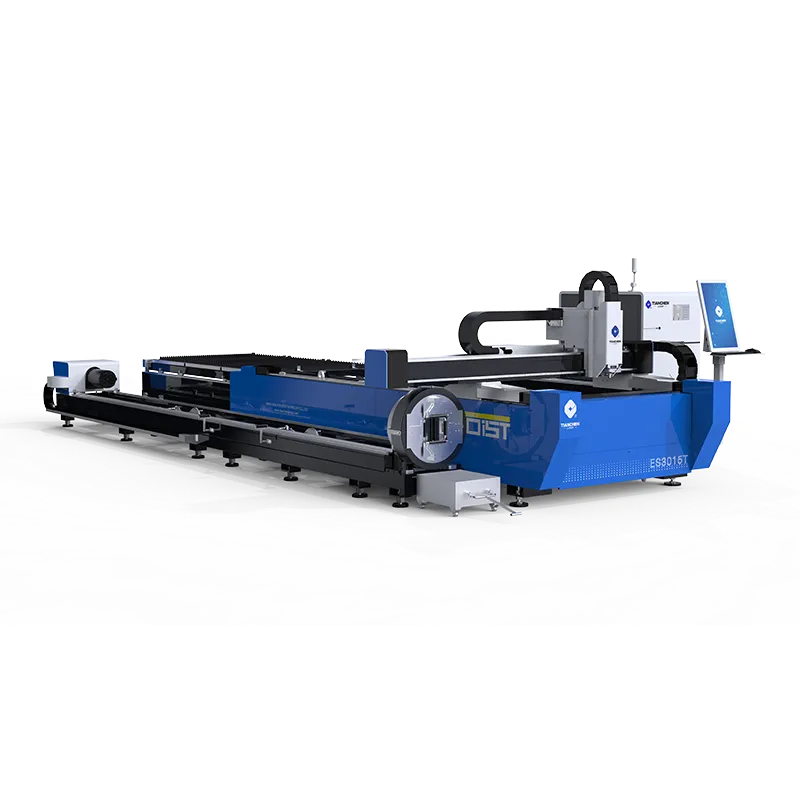
From a Crowded Job Shop to a Calm Floor
A contract fabricator in Ohio ran three manual stations for bracket work: one operator measured, one tacked, and one finished on a band saw. Output stalled at about 180 pieces per shift, and Friday scrap bins told the real story — roughly 9% of plates were off-spec. The shop installed a laser cnc machine rated for 1.5 kW fibre cutting and rebuilt the cell around one operator and a nested program. Within six weeks, the same shift produced 520 brackets with scrap under 2%. The laser cnc machine did not add labor; it removed the steps where human inconsistency entered the flow.
What the First Week Actually Showed
The first week exposed how much time was lost to fixturing. Previously, each bracket needed clamping and a hand-check against a paper template. The new laser cnc machine read geometry from the CAD file and cut on a slatted bed with pneumatic locating pins. Setup that took 14 minutes dropped to under 90 seconds. Operators spent the saved time on inspection and packaging rather than wrestling material, and the laser cnc machine kept the bed turning between loads without a second person on the line.
Where the Old Method Hid Its Cost
Manual cutting looked cheap because the machine was already paid for. The hidden cost sat in rework: a mis-cut flange meant a welded assembly that failed fit-up at the customer. Tracking returned jobs for a quarter showed 23% of fit-up failure claims traced back to cut accuracy, not welding. A laser cnc machine closes that gap by holding the same path every time the program runs, so the 500th part leaves the cell identical to the first. The laser cnc machine turns that hidden cost into a visible, controllable number on the defect log.
Why Manual Setups Carry Real Risk
Manual processes drift for reasons operators cannot always see. A worn jig, a dull blade, or a tired hand shifts the cut line by fractions of a millimetre, and those fractions become gaps at assembly that a customer notices first.
Tolerance Drift from Hand Alignment
Hand alignment depends on the person and the hour. Morning cuts and evening cuts from the same operator can differ by 0.4 mm, enough to bind a sliding fit. A laser cnc machine encodes the tolerance in the program, so the 40th part matches the first. For parts that stack or rotate, that repeatability is the difference between a clean build and a service call that costs the account.
Material Waste Adds Up Quietly
Off-cuts from manual work rarely nest well. Offsets left for safety turn into scrap that never becomes product. The laser cnc machine runs nesting software that packs parts edge to edge, lifting raw-sheet usage from about 68% to 88% on mixed orders. Over a year of stainless buying, that spread pays for a meaningful share of the equipment and frees floor space once taken by scrap bins.
How a Laser CNC Machine Actually Works
The system joins a motion controller, a servo-driven gantry, and a fibre laser source through a single control loop. A laser cnc machine that matches the loop to the part mix runs cleaner than one bought on wattage alone, and understanding the loop helps buyers choose the right spec instead of the biggest number on the brochure.
The Motion and Beam Control Loop
The controller converts the cutting path into step commands for the servo axes. A capacitive height sensor keeps the focus lens at a fixed distance above the sheet, correcting for bow and warping in real time. The laser cnc machine therefore keeps beam quality constant even on plates that are not perfectly flat, which protects edge squareness on thick stock and avoids the taper that hand-fed work often shows.
Assist Gas and Power Tuning
Oxygen, nitrogen, or compressed air clears the molten kerf. Oxygen cuts fast on carbon steel but leaves an oxide edge; nitrogen gives a clean, paint-ready edge at higher cost. The laser cnc machine lets the operator match gas and power to the material, so a thin decorative panel and a 12 mm structural plate use different recipes from the same file library without swapping hardware.
Standards and Value on the Floor
A laser cnc machine earns its keep only when matched to the work and cared for on a schedule, and the rules that govern safe, accepted cuts belong in the purchase decision rather than the audit that follows a complaint.
OSHA, ANSI, and ISO 9013 in Practice
OSHA 29 CFR 1910.212 requires guarding against exposed moving parts and unintended contact, and a Class 4 laser needs an enclosed beam path with interlocks. ANSI B11.21 covers cutting systems and expects controlled access during operation. ISO 9013 sets tolerance and roughness classes for thermal cutting, so a part quoted to class 2 holds a tighter band than class 4. A laser cnc machine built to these expectations ships with enclosure, light curtains, and e-stop logic already integrated, and the class on the drawing tells the operator which speed and gas to run.
Purchase Checks and Daily Maintenance
Buyers should confirm maximum sheet size, piercing time on the thickest planned material, and whether the controller imports the shop's actual CAD format. A laser cnc machine that needs file conversion on every job quietly drains the time it was meant to save. Suppliers such as Tianchen provide a cut sample on the real material and list piercing time by thickness, which makes the comparison concrete. Operators should check lens cleanliness, assist-gas pressure, and slat condition at shift start; fifteen minutes of daily care on a laser cnc machine prevents the unplanned stop that costs a full day of production.
Frequently Asked Questions
How does a laser cnc machine improve consistency?
A laser cnc machine stores the cut path as a program, so every part follows the same coordinates regardless of shift or operator. The motion controller and height sensor hold the beam steady, keeping edges square and dimensions within the tolerance set in the file. This removes the small variations that manual marking and hand cutting introduce across a production run of any length.
What materials suit a fibre laser cnc machine?
A fibre laser cnc machine cuts carbon steel, stainless, aluminium, and most alloys up to its rated thickness. Reflective metals need correct parameters and assist gas to avoid back-reflection issues. Thin gauge bends and decorative panels cut cleanly, while structural plate needs slower feed and verified piercing. Matching the material to the machine's spec keeps edges clean and protects the source from damage.
Is a laser cnc machine safe to run in a busy shop?
Yes, when the enclosure, interlocks, and extraction meet OSHA 29 CFR 1910.212 and ANSI B11.21. The beam stays enclosed, access doors cut power on opening, and fume extraction removes cutting vapour. Operators still need eye protection and training, but the laser cnc machine's built-in guards manage the main hazards during normal operation on a shared floor.
How much floor space does the system need?
Space depends on sheet size and automation. A laser cnc machine for 1.5 m sheets needs roughly the bed footprint plus room for loading and scrap. Adding a loader or sorting table extends the envelope. Shops should plan for fork access and a service aisle, since cramped placement slows loading and blocks the daily maintenance the machine requires to stay accurate.
What maintenance keeps cut quality stable?
Daily lens and slat checks, weekly gas-line inspection, and monthly calibration of the height sensor protect edge quality. A laser cnc machine loses sharpness when the lens clouds or slats wear, so a short routine beats occasional deep service. Keeping a log also helps prove process control to customers who audit fabrication standards before placing repeat orders.
When does buying a laser cnc machine pay off?
Payback shows fastest where volume, mix, and scrap are high. A laser cnc machine that lifts sheet use from 68% to 88% and cuts rework recovers cost through material and labor alone. Shops with low, simple volume may do better with a service bureau until order depth justifies the capital and the operator training it needs to run safely.