
 EN
EN
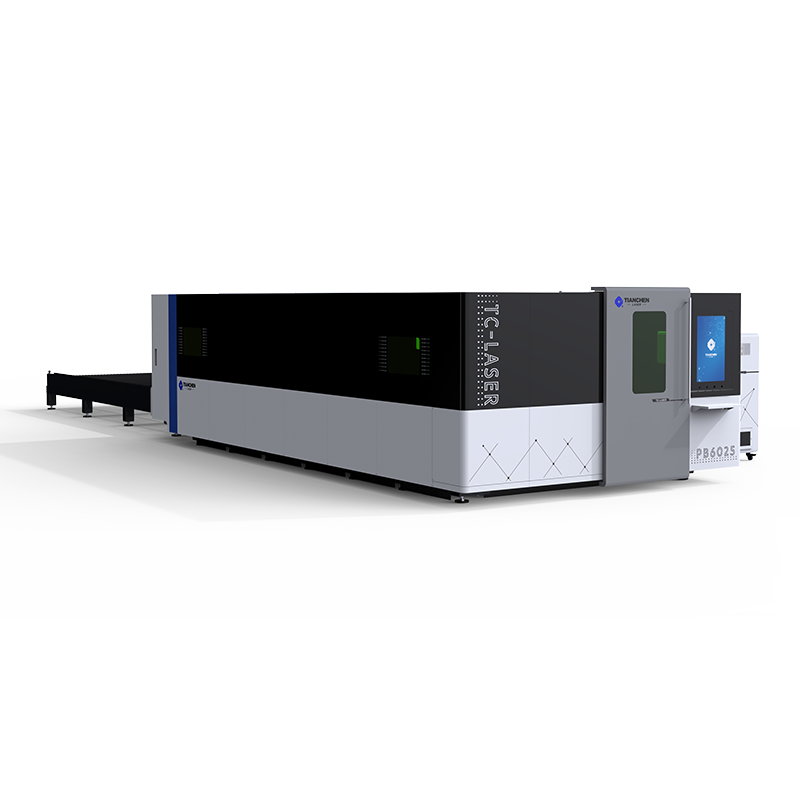
เหตุใดขนาดของโต๊ะทำงานจึงเป็นตัวกำหนดความสามารถ
ร้านผลิตชิ้นส่วนที่ต้องตัดคานเหล็กยาว 6 เมตรบนโต๊ะทำงานขนาด 3 เมตร จะใช้เวลาในการจัดตำแหน่งวัสดุใหม่มากกว่าเวลาที่ใช้ในการตัดจริง ทุกครั้งที่ต้องจัดตำแหน่งใหม่จะทำให้เกิดความคลาดเคลื่อนในการจัดแนว สิ้นเปลืองเวลาของผู้ปฏิบัติงาน และเพิ่มความเสี่ยงที่จะทำให้แผ่นโลหะราคาแพงเสียหาย เครื่องตัดโลหะด้วยเลเซอร์ ด้วยโต๊ะทำงานขนาดใหญ่ — โดยทั่วไปมีขนาด 2.5 เมตร × 6 เมตร หรือใหญ่กว่านั้น — สามารถประมวลผลชิ้นส่วนทั้งชิ้นได้ในหนึ่งรอบการจับยึดและตัดเพียงครั้งเดียว สำหรับอุตสาหกรรมการต่อเรือ เหล็กโครงสร้าง อุปกรณ์หนัก และการผลิตรถราง ขนาดของโต๊ะทำงานไม่ใช่ข้อกำหนดเชิงฟุ่มเฟือย แต่เป็นปัจจัยที่กำหนดความแตกต่างระหว่างอัตราการผลิตที่ให้กำไรกับการปรับปรุงงานซ้ำอย่างเรื้อรัง
ระบบแกนแบบขนาดใหญ่: คำอธิบายโดยละเอียด
ขนาดใหญ่ เครื่องตัดโลหะด้วยเลเซอร์ ใช้ระบบขับเคลื่อนแบบแกน (gantry-style motion system) ซึ่งหัวตัดเคลื่อนที่บนโครงข้าม (bridge) ที่วางข้ามความกว้างทั้งหมดของโต๊ะทำงาน โครงข้ามนี้เคลื่อนที่ตามความยาวของโต๊ะผ่านระบบขับเคลื่อนแบบเกลียว-ฟันเฟือง (rack-and-pinion) หรือมอเตอร์เชิงเส้นที่มีความแม่นยำสูง ในขณะที่หัวตัดเคลื่อนที่ข้ามโครงข้ามนั้น มอเตอร์เซอร์โวแบบขับเคลื่อนคู่พร้อมระบบป้อนกลับแบบปิดวงจร (closed-loop feedback) รักษาระดับความแม่นยำในการจัดตำแหน่งภายใน ±0.03 มม. ทั่วทั้งพื้นที่ทำงานทั้งหมด หากไม่มีระบบขับเคลื่อนคู่ที่ประสานงานกันอย่างเหมาะสม โครงข้ามจะเอียงเบี่ยง (skews) และรูปทรงของการตัดจะเสียความแม่นยำลงเมื่อเข้าใกล้ขอบของแผ่นโลหะขนาดใหญ่
แหล่งกำเนิดเลเซอร์เป็นเลเซอร์ไฟเบอร์ ซึ่งมีกำลังตั้งแต่ 6 กิโลวัตต์สำหรับการผลิตแผ่นบาง ไปจนถึง 30 กิโลวัตต์สำหรับการตัดแผ่นหนา เลเซอร์ไฟเบอร์ 20 กิโลวัตต์สามารถตัดเหล็กคาร์บอนได้สูงสุดถึง 40 มม. เหล็กกล้าไร้สนิมได้ถึง 50 มม. และอลูมิเนียมได้ถึง 30 มม. ในการผ่านงานเพียงครั้งเดียว — ซึ่งเป็นความสามารถที่เลเซอร์ CO₂ ที่มีขนาดพื้นที่ใช้งานเทียบเท่าไม่สามารถทำได้ใกล้เคียงเลย ลำแสงเดินทางผ่านสายเคเบิลใยแก้วนำแสงไปยังหัวตัด ซึ่งเลนส์โฟกัสจะรวมพลังงานให้เข้มข้นลงเป็นจุดที่วัดได้ในหน่วยไมโครเมตร ส่งผลให้ความกว้างของรอยตัด (kerf) บนแผ่นบางมีค่าน้อยกว่า 0.2 มม. โดยเกือบไม่มีการบิดเบือนจากโซนที่ได้รับผลกระทบจากความร้อนเลย
กรณีศึกษาจริง — การตัดแผ่นโครงสร้างเรือในหนึ่งการตั้งค่า
โรงซ่อมเรือแห่งหนึ่งในภาคตะวันออกของประเทศจีนเคยตัดแผ่นโครงสร้างเรือขนาด 8 เมตร ด้วยเลเซอร์ CO₂ ที่มีพื้นที่ทำงาน 3 คูณ 1.5 เมตร โดยต้องจัดตำแหน่งใหม่ 2–3 ครั้งต่อแผ่นหนึ่งแผ่น ซึ่งความคลาดเคลื่อนในการจัดแนวระหว่างการตั้งค่าแต่ละครั้งทำให้ขอบของแผ่นไม่ตรงกัน ส่งผลให้ช่างเชื่อมต้องใช้เวลาหลายชั่วโมงในการขัดและเติมวัสดุเสริมลงในแต่ละแผ่น ทั้งนี้ ได้มีการเปลี่ยนเครื่องจักรขนาดเล็กเครื่องเดิมด้วย เครื่องตัดโลหะด้วยเลเซอร์ มีโต๊ะทำงานขนาด 2.5 คูณ 8 เมตร และแหล่งกำเนิดเลเซอร์ไฟเบอร์กำลัง 20 กิโลวัตต์ ซึ่งช่วยขจัดการปรับตำแหน่งใหม่ทั้งหมดออกไปอย่างสิ้นเชิง เวลาในการดำเนินกระบวนการตั้งแต่การตัดจนถึงการเชื่อมลดลง 60% การขัดและปริมาณการใช้สารเติมเต็มสำหรับรอยต่อที่ไม่สม่ำเสมอลดลงประมาณ 75% และโรงเรือรายงานว่าไม่มีแผ่นโลหะใดถูกทิ้งเป็นของเสียอันเนื่องมาจากความผิดพลาดในการจัดแนวเลยตลอดปีแรกของการปฏิบัติงาน
อัตราการผลิต ความแม่นยำ และประสิทธิภาพการใช้วัสดุในระดับมาตรวัดใหญ่
การประมวลผลแบบตั้งค่าครั้งเดียวเทียบกับการปรับตำแหน่งใหม่
โต๊ะทำงานขนาดใหญ่ช่วยให้สามารถประมวลผลแบบตั้งค่าครั้งเดียวได้ — วางแผ่นวัสดุทั้งแผ่นลงบนโต๊ะ รันการจัดเรียงชิ้นส่วน (nest) ทั้งหมด และนำชิ้นส่วนที่เสร็จแล้วออก ซอฟต์แวร์ CAM สำหรับการจัดเรียงชิ้นส่วน (nesting) ช่วยเพิ่มประสิทธิภาพการจัดวางทั่วทั้งแผ่นโดยไม่มีข้อจำกัดเทียมใดๆ ระบบโต๊ะเปลี่ยนวัสดุช่วยให้เครื่องจักร เครื่องตัดโลหะด้วยเลเซอร์ ทำงานได้มากกว่า 85% ของเวลาที่ใช้งานจริง เนื่องจากเลเซอร์ไม่ต้องรอการจัดการวัสดุ การจัดเรียงชิ้นส่วน (nesting efficiency) มักเกิน 85% เมื่อเทียบกับ 70–75% บนโต๊ะขนาดเล็กกว่า สำหรับสแตนเลสสตีลที่มีราคาหลายดอลลาร์ต่อกิโลกรัม การเพิ่มผลผลิต (yield) ขึ้น 10 จุดสามารถคืนทุนส่วนต่างของราคาเครื่องจักรได้ภายในปีแรกของการใช้งาน
พลังงาน แก๊สช่วย และความสามารถในการตัดวัสดุที่มีความหนา
การเลือกแหล่งกำเนิดเลเซอร์ให้เหมาะสมกับการใช้งาน
6 กิโลวัตต์ เครื่องตัดโลหะด้วยเลเซอร์ สามารถตัดเหล็กกล้าคาร์บอนได้สูงสุดถึง 20 มม. — เหมาะสำหรับโรงงานรับจ้างทั่วไป แหล่งกำเนิดเลเซอร์ 12 กิโลวัตต์สามารถตัดได้ถึง 30 มม. ส่วนแหล่งกำเนิดเลเซอร์ 20 กิโลวัตต์หรือ 30 กิโลวัตต์เปิดโอกาสในตลาดแผ่นโลหะหนา: เหล็กโครงสร้างได้สูงสุดถึง 40 มม. และสแตนเลสได้สูงสุดถึง 50 มม. แก๊สออกซิเจนที่ใช้ช่วยตัดเร่งกระบวนการตัดเหล็กกล้าคาร์บอนผ่านปฏิกิริยาเอกซ์โซเทอร์มิกที่บริเวณแนวตัด แก๊สไนโตรเจนให้ขอบตัดที่สะอาดและปราศจากออกไซด์บนสแตนเลสและอลูมิเนียม ส่วนอากาศอัดเป็นทางเลือกที่ประหยัดต้นทุนสำหรับการตัดอลูมิเนียมแผ่นบาง โดยมีข้อกำหนดด้านคุณภาพขอบตัดในระดับปานกลาง
การประเมินระบบเลเซอร์รูปแบบขนาดใหญ่
เกณฑ์การเลือกหลัก
ขั้นตอนแรก วัดขนาดส่วนที่ใหญ่ที่สุดบวกเพิ่มอีก 10% — นั่นคือขนาดโต๊ะทำงานขั้นต่ำ ขั้นตอนที่สอง ตรวจสอบความแข็งแกร่งของโครงสร้างแกน Y (gantry) และการประสานงานระหว่างระบบขับเคลื่อนคู่ (dual-drive) พร้อมร้องขอความแม่นยำในการจัดตำแหน่งที่มุมโต๊ะทำงาน ขั้นตอนที่สาม ตรวจสอบยี่ห้อแหล่งกำเนิดเลเซอร์และเครือข่ายบริการ — IPG, Raycus และ Max เป็นผู้จัดจำหน่ายที่มีชื่อเสียง ขั้นตอนที่สี่ ยืนยันเวลาในการเปลี่ยนโต๊ะแลกเปลี่ยน (exchange table cycle time) ให้อยู่ภายใน 30 วินาที ขั้นตอนที่ห้า ประเมินซอฟต์แวร์ CAM สำหรับการจัดเรียงชิ้นส่วน (nesting) แบบผสมผสานที่รองรับการตัดตามแนวร่วม (common-line cutting) เครื่องตัดโลหะด้วยเลเซอร์ จะเปลี่ยนศักยภาพจากการผลิตแบบชิ้นงานต่อชิ้น (piecework) ไปสู่ระดับการผลิตเชิงพาณิชย์ — ไม่ใช่โดยการตัดเร็วขึ้น แต่โดยการตัดชิ้นส่วนได้มากขึ้นต่อการตั้งค่าหนึ่งครั้ง
คำถามที่พบบ่อย
อะไรคือเกณฑ์ที่กำหนดว่าโต๊ะทำงานมีขนาดใหญ่บนเครื่องตัดโลหะด้วยเลเซอร์?
เอ เครื่องตัดโลหะด้วยเลเซอร์ เครื่องที่มีโต๊ะทำงานขนาด 2.5 คูณ 6 เมตร หรือใหญ่กว่านั้น จะจัดอยู่ในกลุ่มเครื่องรูปแบบขนาดใหญ่ (large-format) โดยขนาดอาจขยายไปถึง 3 คูณ 12 เมตร สำหรับงานต่อเรือและอุปกรณ์หนัก ลักษณะสำคัญที่สุดคือสามารถประมวลผลแผ่นโลหะเชิงพาณิชย์ขนาดเต็มรูปแบบได้ในครั้งเดียว
ขนาดของโต๊ะทำงานส่งผลต่อความแม่นยำในการตัดอย่างไร?
โต๊ะขนาดใหญ่ต้องการการซิงโครไนซ์แกนต์แบบขับเคลื่อนคู่เพื่อรักษาความแม่นยำ ±0.03 มม. ทั่วทั้งพื้นที่โต๊ะจากมุมหนึ่งไปยังอีกมุมหนึ่ง หากไม่มีการขับเคลื่อนแบบซิงโครไนซ์ รางแกนต์และรูปทรงการตัดจะเสื่อมคุณภาพลงบริเวณขอบโต๊ะ
ต้องใช้กำลังเลเซอร์เท่าใดในการตัดแผ่นโลหะหนา?
แหล่งกำเนิดเลเซอร์ 6 กิโลวัตต์สามารถตัดเหล็กกล้าคาร์บอนต่ำได้สูงสุดถึง 20 มม. แหล่งกำเนิดเลเซอร์ 12 กิโลวัตต์สามารถตัดได้สูงสุดถึง 30 มม. ส่วนสำหรับเหล็กกล้าคาร์บอนต่ำหนา 40 มม. และสแตนเลสหนา 50 มม. จะใช้เลเซอร์ไฟเบอร์กำลัง 20–30 กิโลวัตต์เป็นมาตรฐาน
เหตุใดจึงนิยมใช้เลเซอร์ไฟเบอร์มากกว่าเลเซอร์ CO₂ สำหรับการตัดชิ้นงานขนาดใหญ่?
เลเซอร์ไฟเบอร์มีประสิทธิภาพการแปลงพลังงานจากไฟฟ้าเป็นแสง (wall-plug efficiency) ประมาณ 30% เมื่อเทียบกับเลเซอร์ CO₂ ที่มีเพียง 10% ทั้งนี้ลำแสงเลเซอร์ไฟเบอร์เดินทางผ่านเส้นใยแก้วนำแสงแบบยืดหยุ่น แทนที่จะใช้ระบบกระจกสะท้อนเช่นในเลเซอร์ CO₂ นอกจากนี้ แหล่งกำเนิดเลเซอร์ไฟเบอร์ยังสามารถตัดโลหะที่สะท้อนแสงได้ เช่น อลูมิเนียม โดยไม่เกิดความเสียหายจากการสะท้อนกลับของลำแสง
โต๊ะเปลี่ยนตำแหน่งมีบทบาทอย่างไรต่อประสิทธิภาพการผลิต?
โต๊ะเปลี่ยนตำแหน่งใช้โต๊ะทำงานสองชุดที่เลื่อนเข้า-ออกบริเวณโซนการตัดอย่างต่อเนื่อง โดยขณะที่หนึ่งในสองโต๊ะกำลังถูกโหลดชิ้นงาน อีกโต๊ะหนึ่งจะอยู่ภายใต้หัวตัด ทำให้อัตราการใช้งานเครื่องจักรคงอยู่เหนือระดับ 85%
ร้านควรกำหนดขนาดโต๊ะทำงานที่เหมาะสมอย่างไร
เริ่มต้นด้วยชิ้นส่วนเดี่ยวที่ใหญ่ที่สุด จากนั้นเพิ่มขนาดอีก 10% ทั้งสองด้าน และพิจารณาองค์ประกอบงานในอนาคต ร้านที่วางแผนจะเสนอราคาโครงการโครงสร้างเหล็กหรือการต่อเรือ ควรเลือกขนาดโต๊ะให้สอดคล้องกับตลาดเหล่านั้น — การปรับขนาดให้ใหญ่ขึ้นในภายหลังหมายถึงการซื้อเครื่องจักรใหม่