
 EN
EN
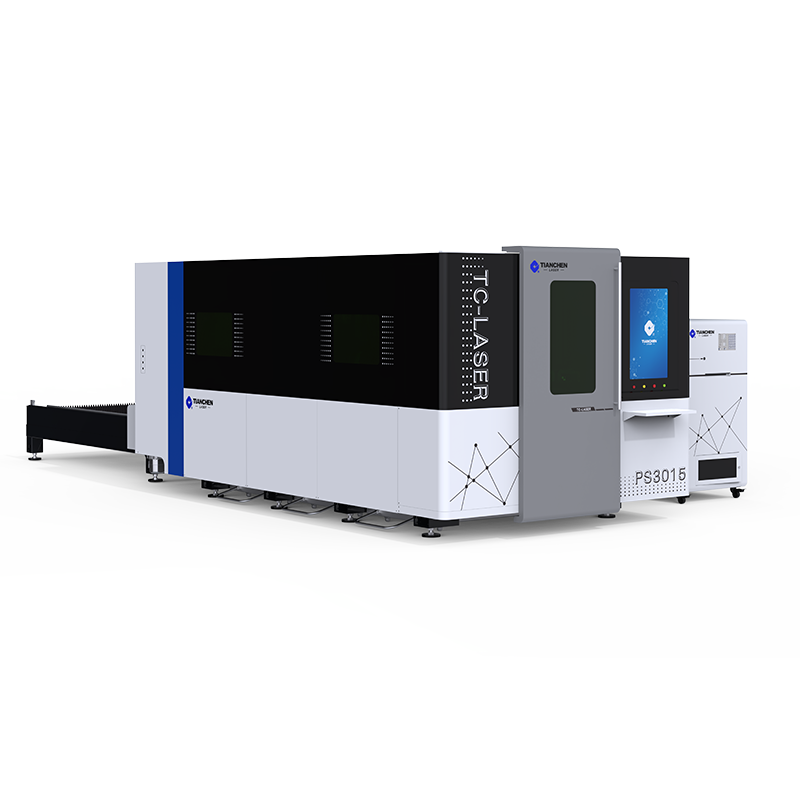
Structural Limitations and Mechanical Risks in Heavy Equipment Fabrication
Processing Vulnerabilities of Systems Lacking a Laser Cutting Metal Machine
Executing high-tonnage structural infrastructure developments, heavy agricultural equipment manufacturing, or specialized mining machinery assemblies requires an unyielding commitment to component structural integrity. When fleet asset managers or metal fabrication procurement executives attempt to utilize standard flame or conventional oxy-fuel systems to process structural plates, the finalized edge profiles frequently suffer from severe geometric irregularities. Integrating a high-power laser cutting metal machine directly into the heavy manufacturing layout addresses these precision limitations by deploying concentrated photon streams that maintain strict dimensional tolerances across ultra-thick high-strength alloys. Relying on outdated manual plasma torches instead of automated thermal cutting configurations introduces substantial operational risks, including severe beveling anomalies along structural weld joints, localized material hardening that cracks post-cut drill bits, and unexpected structural failure of critical load-bearing assemblies under dynamic fatigue loads.
Analyzing Heat-Affected Zones, Micro-Cracking, and Geometric Deflection
A primary metallurgical challenge in heavy equipment component manufacturing stems from excessive thermal dissipation into thick steel plates during the profiling phase. When cutting low-alloy high-strength steels using traditional high-heat methods, a wide heat-affected zone (HAZ) forms along the processed edge, permanently altering the underlying grain structure of the steel. This uncalculated thermal cycling transforms ductile pearlite-ferrite matrix layouts into brittle untempered martensite, raising the likelihood of microscopic cracking at connection nodes. Over months of rigorous field use, these hidden micro-cracks expand under continuous physical vibrations, causing severe deflection, geometric warp, and unexpected welds snapping on earthmoving attachments. For structural engineering directors handling mining or maritime cranes, sub-standard edge prep choices translate into extensive downtime, catastrophic structural buckling, and major liability concerns.
Heavy Excavator Frame Manufacturing: Real-World Infrastructure Upgrade Case
Practical shop floor operations within the global earthmoving equipment sector demonstrate the immense commercial and physical value of upgrading from legacy mechanical cutting setups to high-power fiber optics. A major heavy industrial equipment manufacturer specializing in customized crawler excavator chassis audited its structural welding department after noting high joint prep rework rates and frequent edge cracking on thick-gauge structural members during dynamic high-stress testing. The facility previously utilized manual heavy plasma systems where wide kerf variances and rough slag accumulation required extensive post-cut secondary grinding, creating production bottlenecks and delaying delivery schedules. The technical engineering group resolved this recurring processing bottleneck by implementing a specialized 20-Kilowatt laser cutting metal machine configured with an automated shuttle table and precise real-time focus control sensors. Within nine months of full production integration, the heavy machinery manufacturer eliminated edge rework entirely, reduced total weld preparation labor times by forty-five percent per chassis, and achieved zero edge cracking failures during high-stress field load validations.
Thermal Dynamics and Electro-Mechanical Principles of Fiber Laser Technology
High-Power Photon Density and Kerf Width Optimization Mechanics
Achieving clean perpendicular edge cuts and maintaining absolute structural consistency across thick metal plates requires an advanced understanding of photon density, material melting points, and light wavelength metrics. A high-efficiency laser cutting metal machine utilizes an array of semiconductor diodes to generate a highly coherent, monochromatic light beam with a wavelength of approximately 1.08 microns, which is perfectly suited for high absorption rates in ferrous metals. This light beam travels through a flexible fiber optic delivery cable to reach the cutting head, where a series of collimating lenses focus the energy down to a spot size smaller than 0.2 millimeters. By focusing thousands of watts of raw energy into a tiny localized area, the system instantly vaporizes the metal alloy, allowing for exceptionally thin kerf paths that protect the parent plate from dangerous thermal stress redistribution.
Dynamic Beam Parameter Product Management and Assist Gas Interaction
To maintain square cut surfaces across varying steel thicknesses and prevent dangerous dross buildup underneath the plate, the internal control software dynamically adjusts the beam parameter product (BPP) and assist gas velocities. When processing thick structural steel sections, the cutting head shifts its focus position deep within the material core while using high-purity oxygen as an assist gas to trigger an exothermic reaction that speeds up the metal expulsion rate. For stainless steel or high-tensile aluminum components, the system relies on high-pressure nitrogen gas injected at velocities exceeding Mach 2 to instantly blow away the molten pool without allowing oxidation to form along the cut path. This careful material management ensures that finished parts require zero manual de-burring before moving straight to the robotic welding station.
International Engineering Directives and Global Manufacturing Compliance Standards
Sourcing automated metal profiling equipment and high-capacity manufacturing hardware for heavy equipment sectors requires absolute alignment with international building safety regulations, material performance metrics, and machine quality benchmarks. System engineering teams assessing a heavy-duty laser cutting metal machine installation must ensure complete compliance with global industrial frameworks, including ISO 9001 quality management structures, ANSI Z136 laser safety guidelines for safe open-air operations, and relevant ISO 13849 machinery safety circuit requirements. These strict international protocols establish clear design rules for machine structural rigidity, radiation enclosure integrity, and emergency deceleration safety loops. Following these comprehensive engineering metrics ensures that heavy industrial facilities can handle continuous multi-shift production demands safely, passing municipal safety inspections without delay.
Strategic Procurement Frameworks and Lifelong Operational Diagnostics
Essential Capital Sourcing Metrics for Heavy Machine Procurement Officers
Selecting a dependable heavy industrial machinery manufacturing partner requires a detailed evaluation of structural frame stability, motion control accuracy, and optoelectronic cooling capacities rather than focusing on low-tier component assemblers. Procurement specialists sourcing long-term metal processing assets must confirm that a fabricator utilizes a stress-relieved, heavy steel gantry design that can withstand continuous high-inertia directional changes without introducing structural resonance. Choosing laser cutting metal machine variants built with premium rack-and-pinion transmission mechanisms and absolute optical encoders ensures the machine maintains tight positioning accuracy over years of high-volume operation. Sourcing teams must also review chiller capacities, prioritizing dual-circuit temperature regulation configurations to prevent thermal drift within the laser source and sensitive cutting optics.
Preventative Maintenance Protocols and Optoelectronic Calibration Checklists
The ongoing performance precision and structural longevity of heavy-duty industrial fabrication assets rely on structured preventative maintenance schedules and rigorous optoelectronic calibration routines. Over months of intensive fabrication use, fine iron dust particles can accumulate on linear guide rails, while ambient moisture can degrade sensitive optical protective windows if left unmonitored. Heavy machine facility managers must establish daily cleaning schedules to wipe down drive mechanisms and inspect protective optic lenses for micro-pitting or thermal damage. Standardizing on regular validation procedures—such as checking laser power stability using calibrated external power meters, analyzing beam concentricity, and verifying nozzle alignment—stops unexpected cutting defects, extends the operational lifecycle of internal components, and ensures every metal processing asset delivers consistent material yields.
Choosing a Reliable Storage Solution Partner
Building a highly resilient and productive heavy manufacturing environment requires a dependable equipment partner capable of delivering consistent material quality and steady global supply chain support. Sourcing heavy-duty industrial laser cutting metal machine configurations from producers with deep engineering expertise and advanced manufacturing facilities ensures that every deployed asset performs reliably under heavy shift use and strict environmental routines. This is where aligning with an established global manufacturer like TIANCHEN provides exceptional long-term value. With sophisticated production infrastructure and a strong focus on precise quality management, TIANCHEN consistently provides premium thermal cutting selections designed to meet rigid international safety and commercial performance standards. Partnering with a globally integrated manufacturer gives heavy machinery enterprises reliable access to a robust equipment catalog, deep customization expertise, and consistent construction quality that keeps facility expansions moving smoothly year after year.
Frequently Questions and Answers
What is the maximum plate thickness a laser cutting metal machine can process for heavy machinery parts?
Modern ultra-high-power systems equipped with laser sources exceeding 20 Kilowatts can cleanly process carbon steel plates up to 60 millimeters in thickness. This heavy-gauge capability allows heavy machinery facilities to cut thick excavator linkages, crane booms, and structural chassis components with exceptional precision.
How does fiber laser technology minimize the heat-affected zone compared to plasma cutting systems?
Fiber lasers focus high photon energy densities onto an extremely tiny spot size, traveling at high feed rates to vaporize the metal instantly. This rapid localized energy application minimizes thermal dissipation into the surrounding metal matrix, restricting the heat-affected zone to a fraction of a millimeter.
Why is high-pressure nitrogen gas preferred when cutting stainless steel heavy machinery components?
High-pressure nitrogen acts as an inert shield that prevents oxygen from reacting with the molten metal pool during the vaporization process. This protective action eliminates surface oxidation, leaving a bright, clean cut edge that is immediately ready for welding without requiring acid pickling or grinding.
What structural design features protect a laser cutting metal machine from gantry warping under heavy loads?
Premium industrial configurations utilize a heavy-walled, multi-segmented welded steel bed structure that undergoes thermal stress-relief annealing inside specialized ovens. This rigorous manufacturing process eliminates internal material stresses, ensuring the machine bed remains completely flat and dimensionally stable under massive plate weights.
How do absolute optical encoders maintain cutting precision over years of continuous shift use?
Absolute optical encoders track the exact physical position of the motion axes continuously, even during sudden power losses. This setup eliminates the need for manual homing routines and prevents tracking drift caused by mechanical wear on drive gears, ensuring consistent accuracy over extended production lifecycles.
Which safety certifications are critical when deploying high-power fiber laser equipment in a factory?
Manufacturing facilities must verify that high-power laser equipment carries valid CE or FDA certifications and complies fully with ANSI Z136.1 laser safety protocols. These compliance markers ensure the integration of proper protective enclosure glass, safety interlocks, and light curtains to protect operators from radiation hazards.
Can a fiber laser system cut high-strength low-alloy steels without causing edge micro-cracking?
Yes, by optimizing the focal depth, cutting speed, and assist gas pressures, a fiber laser prevents the formation of brittle martensitic structures along the cut edge. This precise control eliminates micro-cracking risks, ensuring structural components retain full fatigue resistance during heavy field operations.
How often should the protective window on a laser cutting head be inspected and replaced?
The protective window should be visually inspected at the start of every production shift for dust accumulation, oil smudges, or micro-pitting. In high-volume heavy fabrication shops, protective windows are typically replaced every 80 to 120 cutting hours to maintain peak beam transmission and protect internal lenses.
Table of Contents
- Structural Limitations and Mechanical Risks in Heavy Equipment Fabrication
- Thermal Dynamics and Electro-Mechanical Principles of Fiber Laser Technology
- Strategic Procurement Frameworks and Lifelong Operational Diagnostics
- Choosing a Reliable Storage Solution Partner
-
Frequently Questions and Answers
- What is the maximum plate thickness a laser cutting metal machine can process for heavy machinery parts?
- How does fiber laser technology minimize the heat-affected zone compared to plasma cutting systems?
- Why is high-pressure nitrogen gas preferred when cutting stainless steel heavy machinery components?
- What structural design features protect a laser cutting metal machine from gantry warping under heavy loads?
- How do absolute optical encoders maintain cutting precision over years of continuous shift use?
- Which safety certifications are critical when deploying high-power fiber laser equipment in a factory?
- Can a fiber laser system cut high-strength low-alloy steels without causing edge micro-cracking?
- How often should the protective window on a laser cutting head be inspected and replaced?