
 EN
EN
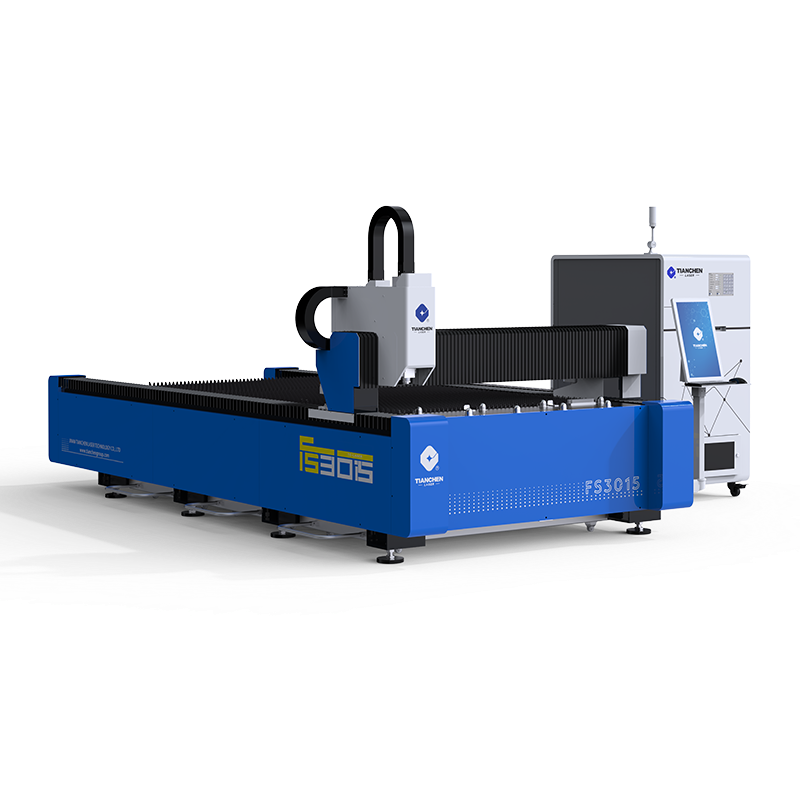
Agricultural Equipment Manufacturing's Cutting Requirements
Agricultural machinery manufacturing presents a unique cutting profile: material thicknesses spanning 1mm sheet metal for electrical enclosures to 40mm plate for tillage components, part quantities ranging from single prototypes to 5,000-unit production batches, and geometries combining flat plate parts with round and rectangular tube sections for structural frames. Selecting the right laser cutting machines means matching equipment capability to this diversity.
The industry's material mix is predominantly carbon steel — S275, S355 structural grades, and wear-resistant steels like Hardox for ground-engaging components — with stainless steel use increasing in food-grade machinery for dairy and livestock operations. Aluminum appears in lightweight components for mounted implements where tractor lift capacity limits total implement weight. The cutting system must handle this material range without requiring machine changeovers between material types.
A farm machinery manufacturer in Brazil producing sugarcane harvesters and planters adopted a customized high-power fiber laser cutting machines solution after plate cutting became the production bottleneck. The previous plasma cutting table produced parts requiring edge grinding before welding due to bevel angle on thicker plate sections. The fiber laser's square, dross-free edges on material up to 25mm eliminated secondary grinding entirely, and the automated loading/unloading system reduced non-cutting handling time from 15 minutes to approximately 3 minutes per sheet change. Tianchen Laser delivered the customized solution including installation supervision and operator training.
Machine Configuration for Agricultural Manufacturing
Sheet and Tube Combination Systems
Agricultural equipment frames use both sheet metal for mounting brackets, gussets, and enclosures and tube sections for structural members, drawbar connections, and roll-over protection structures. A sheet-and-tube combination laser cutting machines system processes both material forms on a single machine platform, eliminating the need for separate plate cutting and tube cutting stations.
The tube processing capability handles round, square, and rectangular sections up to 200–300mm diameter and 6,000–9,000mm length with automatic loading and unloading. The rotary chuck system rotates the tube during cutting to position the beam for complex joint profiles — miter cuts, cope cuts, and slot features — that would require multiple setups on a bandsaw or machining center. Tube cutting cycle times of 30–90 seconds per profile replace the 3–5 minutes of sawing plus 10–15 minutes of milling that conventional processing requires per tube end.
Plate processing on the same machine handles sheets up to 1,500×3,000mm or 2,000×4,000mm depending on machine format. The combination capability reduces floor space by consolidating two machines into one and simplifies material flow — raw material enters at one end, finished parts exit at the other, with no inter-machine transport between plate and tube processing.
Power Range Selection
Material thickness in agricultural manufacturing ranges from 1mm covers and guards to 40mm plow frames and subsoiler components. The power range selection determines which thicknesses cut economically versus those requiring slower speeds or post-cut processing.
A 3–6kW system economically cuts 1–16mm carbon steel, covering the majority of enclosure and bracket work. A 12kW system extends economical cutting to 25–30mm carbon steel and processes 40mm at reduced speed. For manufacturers with significant thick-plate work above 25mm, the higher power investment recovers through cutting speed improvements of 40–60% on thick plate and the elimination of the bevel angle that plasma cutting produces on these thicknesses.
Oxygen assist gas for carbon steel cutting triggers the exothermic reaction that effectively doubles cutting speed at a given power level. Nitrogen assist for stainless steel produces clean, oxide-free edges ready for welding without secondary cleaning. The assist gas selection is automated by the CNC controller based on the material type and thickness programmed for each part.
Frequently Asked Questions
What laser power is recommended for agricultural machinery manufacturing?
6kW covers 80% of agricultural equipment cutting at 1–20mm thickness. 12kW extends economical cutting to 30mm+ for heavy tillage and structural components. The power decision should be based on the thickest material that represents 20%+ of production volume — optimize for the dominant thickness, accept slower speed on occasional thicker work.
Can one laser cutting machine handle both sheet metal and tube processing?
Yes. Sheet-and-tube combination machines process flat plate and round/square/rectangular tube sections on a single platform with automatic changeover. The tube module includes rotary chuck and support systems; the plate module uses the standard cutting table. Tianchen Laser offers combination machines across the power range from 3kW to 12kW+.
How does fiber laser cutting compare to plasma for agricultural parts?
Fiber laser produces square, dross-free edges on material up to 25mm, eliminating the edge grinding that plasma parts require. Plasma retains a speed advantage on 40mm+ material and lower capital cost. The economic crossover depends on the cost of secondary operations — fabricators spending 15–25 per hour on edge grinding typically recover the laser premium within 18–24 months.
What tube dimensions can laser tube cutting machines process?
Standard systems handle diameters from 20mm to 220mm for round tube, equivalent dimensions for square and rectangular sections, and lengths up to 6,000mm with auto-loading. Heavy-duty systems extend to 300mm+ diameter and 9,000mm+ length. Tianchen Laser's M230 three-chuck tube cutting system provides stability for long and heavy tube sections.
What maintenance does an agricultural manufacturing laser cutting machine require?
Protective lens cleaning/replacement every 200–500 cutting hours, linear guide lubrication weekly, assist gas filter changes monthly, and chiller maintenance quarterly. The dusty environment common in agricultural manufacturing facilities requires more frequent protective lens and filter changes than cleaner manufacturing environments.
How does automated material handling improve agricultural parts production?
Automatic sheet loading/unloading reduces non-cutting handling time from 10–15 minutes to 2–3 minutes per sheet change. For facilities processing 20+ sheets per shift, this adds 2–3 hours of productive cutting time daily. Tianchen Laser's automatic storage and loading systems enable lights-out production capability for extended unattended operation.