
 EN
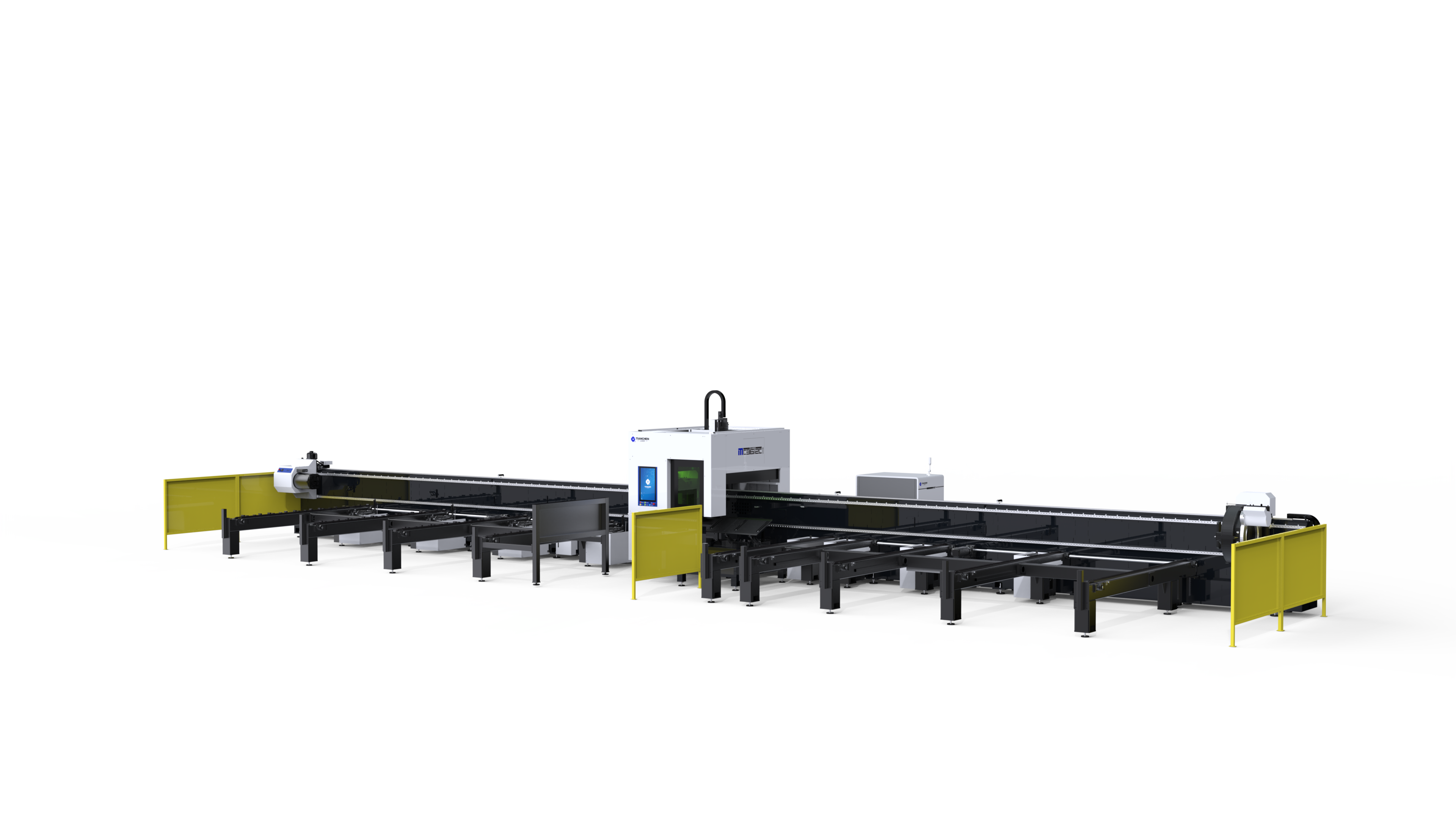
Thick plate metal processing is where laser cutting machines prove their engineering. Cutting 10 mm carbon steel is a different discipline from piercing 3 mm sheet: the beam must penetrate deeper, the melt pool must be ejected reliably, and the assist gas must sustain the cut through the full thickness without leaving dross or excessive taper. An industrial laser cutting machine specified for thin work will still cut thick plate, slowly and with poor edges. Matching industrial laser cutting machine capability to plate thickness is therefore the first decision in any heavy fabrication shop, and it drives power selection, gas strategy, nozzle design, and the piercing routine that protects consumables.
Real-World Industry Case / Scenario
A Fabricator Cutting 20 mm Structural Brackets
A structural steel fabricator producing 20 mm carbon steel brackets initially ran the work on a 6 kW machine left over from a sheet metal era. Cycle times were long, dross appeared along the bottom edge on roughly a third of parts, and grinding consumed more labor than the cutting itself. The fabricator benchmarked a 20 kW industrial laser cutting machine on the same nest and material, with process parameters developed jointly with the machine supplier. The thicker plate capability of the newer industrial laser cutting machine cut cycle time per sheet by more than half, and edge quality on the 20 mm sections passed inspection without grinding on the production run.
The comparison isolated the variables that matter in thick plate work. Higher beam power sustained a stable keyhole through the full thickness, and nitrogen assist at higher pressure ejected the melt cleanly, which removed the dross that had required grinding. Piercing strategy mattered as much as cutting parameters: the fabricator adopted a ramped piercing routine with reduced initial power and a standoff increase during pierce, which eliminated the spatter that had been damaging nozzles and protective lenses. The case demonstrates that an industrial laser cutting machine performs on thick plate as a system, where power, gas, nozzle, and piercing routine are tuned together rather than individually.
Risk & Failure Mode Analysis
Dross, Taper, and Edge Quality on Thick Sections
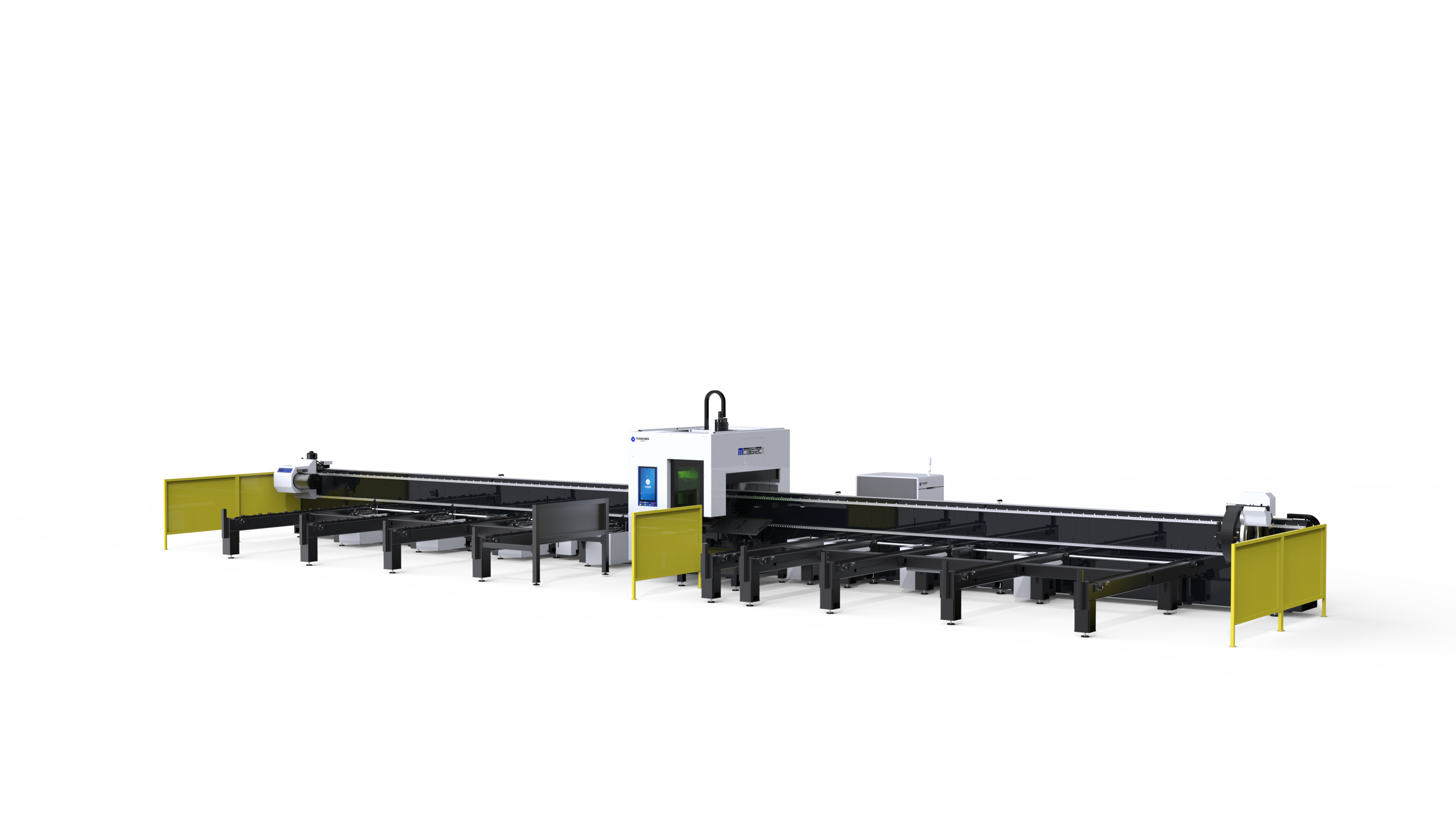
The characteristic failure modes of thick plate cutting are visible on the part. Dross, solidified melt adhering to the bottom edge, results from insufficient energy or inadequate melt ejection, and it drives grinding labor that can exceed cutting labor on thick sections. Taper, where the top and bottom kerf widths differ, follows from beam characteristics and focus position, and excessive taper complicates fit-up in welded assemblies. Corner overheating produces rounding on sharp internal corners where the beam slows. Each of these conditions is controllable through process parameters, but only on an industrial laser cutting machine with sufficient power and stable beam quality for the thickness involved.
Thick plate work concentrates risk on the optics. Highly reflective materials such as copper and aluminum alloys return beam energy toward the source, and thick plate applications that encounter these materials need industrial laser cutting machines designed with back-reflection protection. Piercing is the second exposure: spatter from the pierce point travels back along the beam path and damages nozzles and protective covers, so a disciplined piercing routine is both a consumable-life measure and a safety measure. Safety compliance is not optional in this environment: ANSI Z136.1 governs safe laser use, ISO 11553-1 addresses laser processing machine safety, and enclosure design, interlocks, and fume extraction must be verified as installed.
Technical Principles & Standard Compliance
Power, Gas, and Nozzle Selection
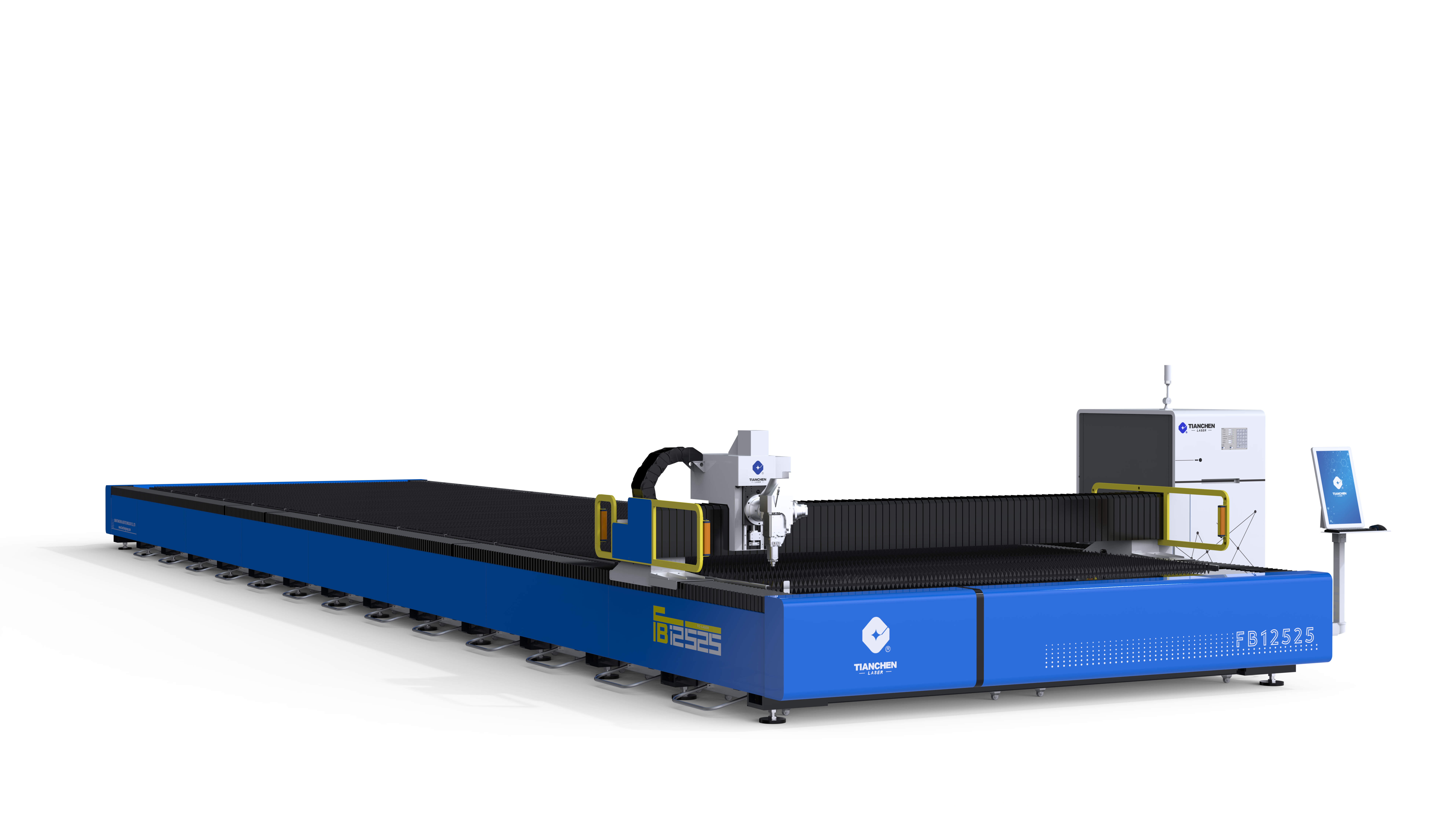
Power selection follows thickness. Fiber laser sources at 1070 nm wavelength are absorbed efficiently by most engineering metals, and thin plate runs efficiently at 2 to 6 kW, while plate beyond 10 mm benefits from 12 kW and above, with heavy sections often processed at 20 kW or more. Assist gas choice changes the cutting physics: oxygen reacts exothermically with carbon steel, adding energy and increasing speed at the cost of an oxide edge, while nitrogen blows the melt away without reacting, producing clean edges suited to stainless and aluminum at higher gas cost. Nozzle design, single or double, and bore diameter must match the gas, the pressure, and the thickness, because the gas dynamics through the nozzle determine how cleanly the melt leaves the kerf.
Process Control and Machine Requirements
Beyond the source, industrial laser cutting machine capability on thick plate depends on motion quality and control. A machine frame with sufficient rigidity resists the acceleration forces that deflect the beam at the plate surface, and drive components must hold position accuracy at cutting speeds. Focus control matters more in thick work, where the depth of focus is narrower relative to the material, and capacitive height sensing keeps nozzle standoff consistent through plate warp. Fume extraction must handle the higher particulate load, and safety systems must meet ANSI Z136.1 and ISO 11553-1 expectations. These requirements define the difference between an industrial laser cutting machine rated for thick plate and one merely capable of attempting it.
Actionable Buyer & Maintenance Guide
Selecting an Industrial Laser Cutting Machine for Thick Plate
Buyers should define the thickest material, the material mix, and the acceptable edge quality before comparing machines. Production-rate targets should be benchmarked on the buyer's own material rather than on generic speed charts, since assist gas, material composition, and part geometry all influence cycle time. Verification points include beam power stability, pierce routines developed for the buyer's thickness range, back-reflection protection where reflective materials are present, and documented process parameter libraries. Machine suppliers such as Jinan-based Tianchen Laser typically provide application testing on customer material, which allows a machine to be evaluated on demonstrated performance rather than rated capability alone.
Maintenance Practices for Heavy Cutting
Consumable management dominates thick plate maintenance. Nozzles wear from spatter and should be replaced on a defined cycle or at the first sign of cut quality drift, and protective covers and lenses require inspection after piercing-heavy shifts. Optics contamination from fumes shortens life and degrades beam quality, so fume extraction filters belong on a strict schedule. Chiller performance protects the source, since source temperature excursions reduce output and can trip the machine. Beam delivery optics require periodic inspection and cleaning by trained personnel, and any change in cut quality should trigger a parameter and consumable check before mechanical causes are investigated.
Frequently Asked Questions
Question 1: What laser power is needed for cutting thick metal plate?
Answer: Power selection follows thickness and material. Plate up to about 6 mm cuts efficiently at 2 to 6 kW, material in the 10 to 15 mm range typically benefits from 12 kW and above, and heavy sections beyond 20 mm are commonly processed at 20 kW or more. Reflective materials and nitrogen-assisted cutting raise the power requirement further. An industrial laser cutting machine should be benchmarked on the buyer's actual material rather than selected from generic speed charts.
Question 2: Why does thick plate cutting produce dross on the bottom edge?
Answer: Dross is solidified melt that was not ejected from the kerf, usually because energy input or assist gas pressure was insufficient for the thickness, or because cutting speed drifted too high for the conditions. Increasing power, optimizing gas pressure, and reducing speed are the standard corrections, along with nozzle inspection. A tuned piercing routine also helps by preventing the spatter damage that degrades nozzles and cut quality during the job.
Question 3: When should oxygen assist be used instead of nitrogen?
Answer: Oxygen reacts exothermically with carbon steel, adding energy to the cut and increasing speed substantially, at the cost of an oxide edge that suits applications where the edge will be welded, painted, or otherwise finished. Nitrogen blows the melt away without reacting, producing clean edges suited to stainless steel and aluminum, but it costs more and cuts more slowly. The choice follows the edge-quality requirement and the material, not machine preference.
Question 4: How does piercing affect nozzle and optics life in thick plate work?
Answer: Piercing generates spatter that travels back along the beam path and erodes nozzles and protective covers, so an undisciplined pierce consumes consumables rapidly. A ramped pierce with reduced initial power, increased standoff during the pierce phase, and appropriate assist gas reduces that damage substantially. Monitoring nozzle condition and cut quality after piercing-heavy shifts, and replacing nozzles on a defined cycle, keeps an industrial laser cutting machine in consistent production.