
 EN
EN
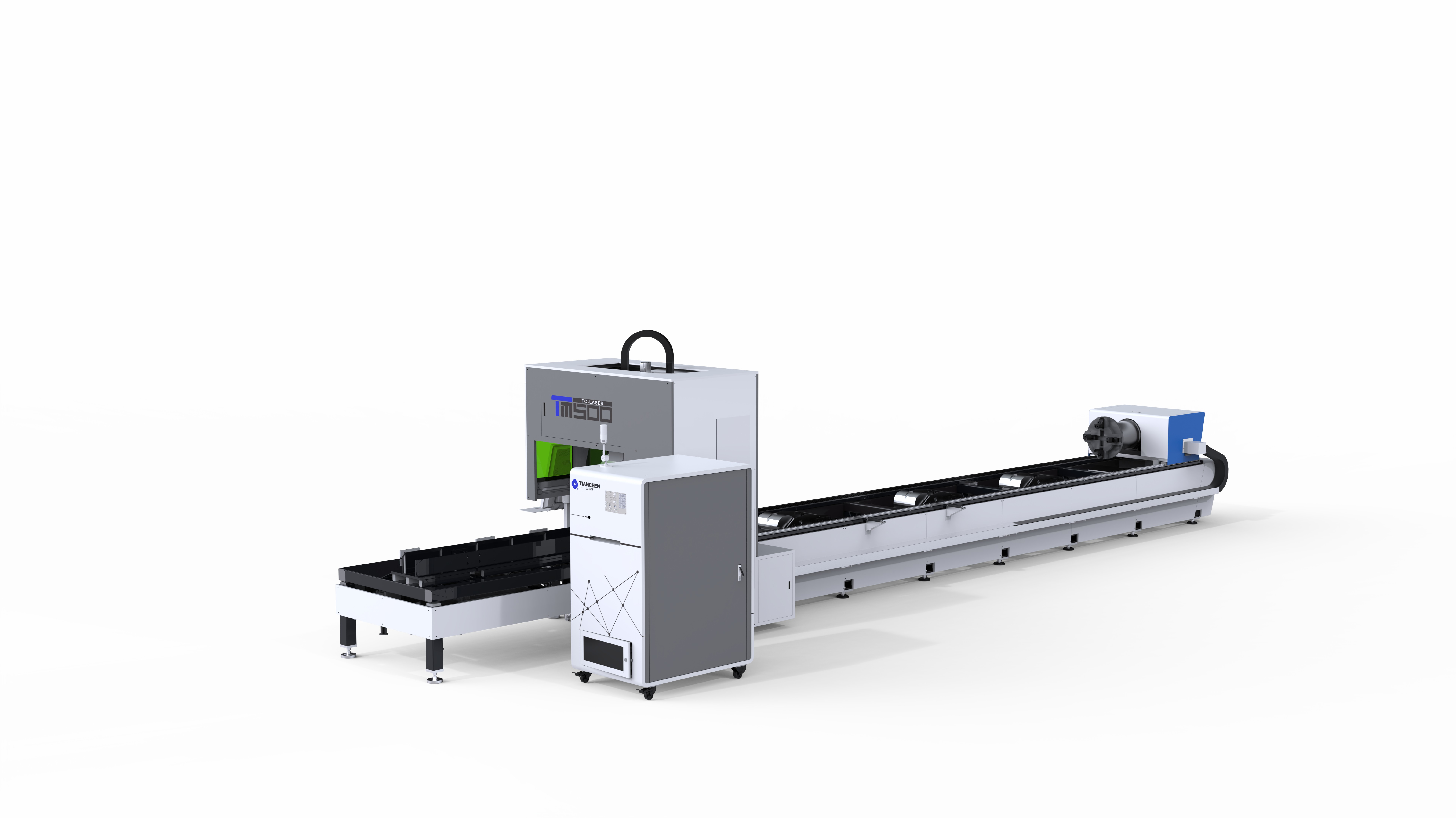
Material-Specific Performance: Automation Profiles for Types of Steel and Thicknesses
Mild and Stainless Steel: Conductive and Oxidative Behaviors. What are the Best Assist Gases? N2 and O2.
Because of the high thermal conduction of mild steel, the assist gas O2 (oxygen) can be used, resulting in an exothermic oxidation chemistry on the cutting front that allows for a cut that is 25-30% faster, but leaves behind an oxide slag that requires cleaning. Hyper-focusing on a cut can deplete the corrosion resistance of chromium in stainless steel due to the low thermal conduction of stainless steel and low oxidation. Therefore, a gas that is inert is required (N2) to suppress oxidation and leave a dross-free edge. Automated systems must select gas depending on the material that is in sight, through spectral sensing, database-driven recognition, and gas control.
Automated systems must dynamically identify the gas that needs to be used to cut the material, switching between O2 and N2 real-time without cycle time loss. This automation must integrate spectral sensing with partially responsive gas control systems.
Limits on Thickness and Tradeoffs in Quality on Laser, Plasma, and Steel Cutting Machines
Tradeoffs exist across machines and methods, determined by their automation potential, physical and economic boundaries. Fiber lasers process thin to medium sheets with a precision of ±0.1 mm; results become worse on thicker sheets due to reflectivity of laser on stainless steel. Plasma fairly quickly handles sections of steel that range 20-150 mm, with a lower initial cost. Labor is often required after finishing, due to wider kerfs and larger heat-affected zones (HAZ). Abrasive waterjets and high precision sawing are classified as mechanical methods. They can be used on steel that is 30 mm or thicker. Cold cutting has HAZ, but thermal methods are faster. The tradeoff matrix accounts for all these limits:
Cutting Method Optimal Thickness Edge Quality Speed
Fiber Laser <25mm High Fast
Plasma 20–150mm Medium Medium
Mechanical >30mm High Slow
Automation options are guided by laws of physics. High speed pallet changers are coupled with lasers for thin steel sheets; plasma is paired with conveyors for handling slag for heavy sheets; lasers, wagons, and robots perform structural tasks and stop burning steel during cutting for integrity.
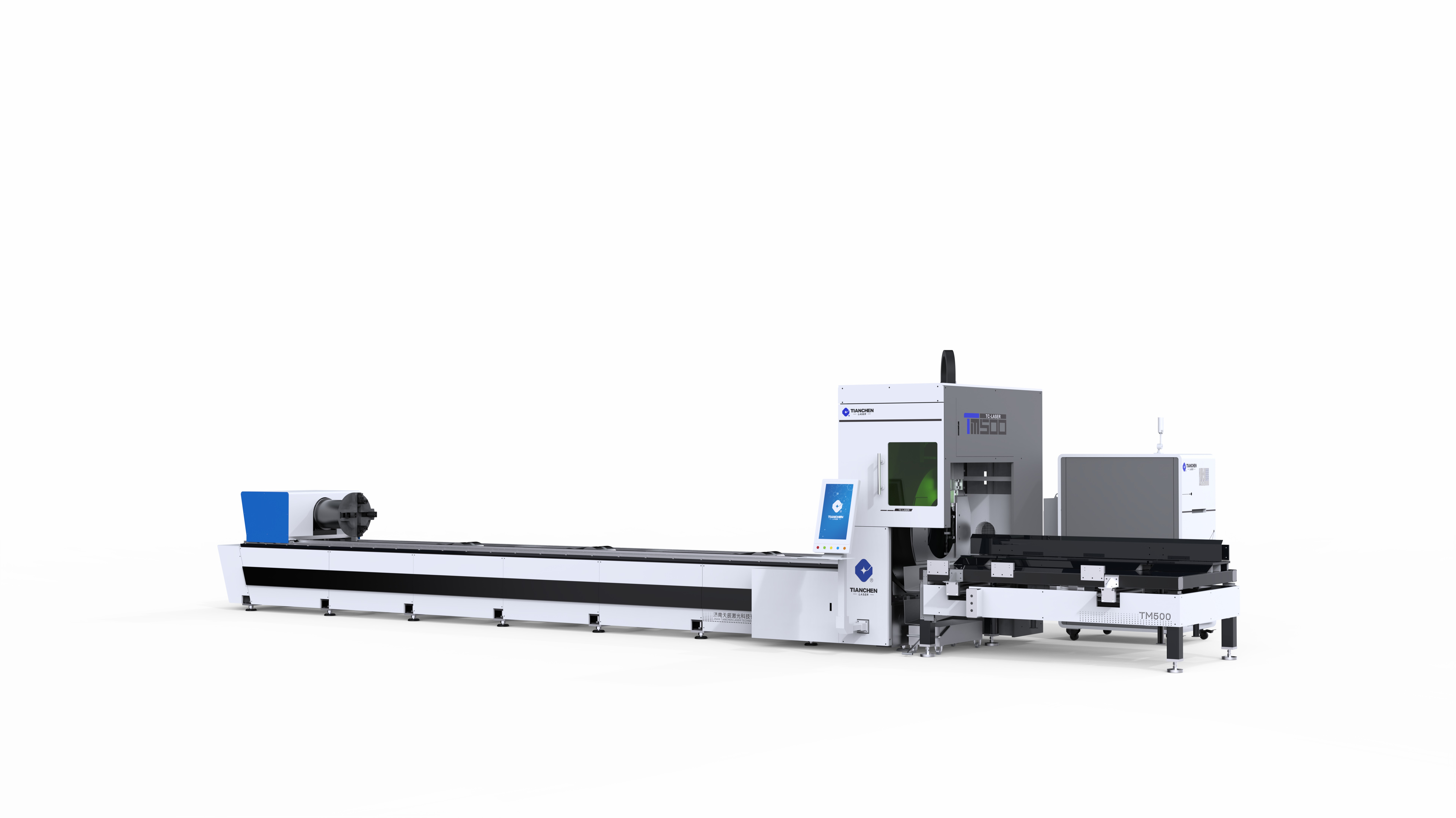
Automation Integration: ATC Compatibility and Loading/Unloading Systems for Steel Cutting Machines
Even though they function individually, Automatic Tool Changer (ATC) compatibility and Loading/Unloading Systems complement each other to minimize manual handling and maximize machine utilization. They keep machines running with high precision during shift after shift, losing no more than 40% of time.
HSK63F vs BT30 for High Speed Steel Milling
Selecting a tool holder is vital to rigidity, thermal stability, and repeatability, particularly in automated steel milling. HSK63F’s dual-contact taper and flange design is a great option for steel alloys and for milling over 20,000 RPM due to its high corrosion resistance. BT30 will provide a cost-effective option for milling at speeds less than 15,000 RPM, which is great when milling in steel. Ease of maintenance and the ability to swap tools more quickly is greater than the cost of a BT30 holder. The following provides more depth on some of these considerations.
Thermal Stability: HSK63F has a much better thermal response than a BT30, exhibiting sub-micron runout and drift. A BT30 tool holder will experience greater drift in runout after about 10 minutes of milling.
Tool Retention: A BT30 tool holder can be more readily adjusted. HSK63F holders will take longer to change.
Accuracy: HSK63F holders will have a more consistent runout of about ±0.003 mm and a BT30 holder will have a runout of about ±0.01 mm.
Synchronized Automatic Loading/Unloading System Using CNC Plasma and CNC Fiber Laser Steel Cutting Machines
The latest automated plasma and fiber steel Cutting Systems have incorporated a robotic beam movement and positioning system. This has helped increase the speed of the system while maintaining consistent and high quality steel cutting. The fibers used in these systems have diminished in size which has led to improved stresses in the system. plasma cutting systems have improved cutting speed through integrated systems to reduce post cutting clean up slugs from the cutting process. The result of these integrated systems have been:
30% improvement in throughput due to the elimination of manual load/unload cycles
Consistent part quality through the integrated laser positioning system
Improved operator safety due to the elimination of personnel in the cutting path.
The successful integration of these games has come from a unified system where the G-code and Control Application Modules are shipped with unexpected loads run in to ensure safety at maximum speed.
Technology Comparison: Laser, Plasma, and Mechanical Options for Automated Steel Cutting Machines
One must weigh three hard limits—metal thickness, required tolerances and the total cost of ownership—when choosing the best automation tech for steel cutting. Laser cuts excel for thin and medium steel (<25 mm). They achieve the ideal tolerances of ±0.1 mm and low HAZ. Such systems are perfect for components such as those used in the medical and space industries. For cutting thicker plates (from 6 mm to 150 mm), plasma systems are far superior due to faster cutting times and a lower initial cost. Systems that use bandsaws and abrasive waterjets, in addition to those that use plasma, provide good metallic fidelity for structural or hardened steels (from 30 mm) that are thick and where thermal distortion may be an issue.
Comparison Factor Laser Cutting Plasma Cutting Mechanical Cutting
Material Thickness < 25mm (optimal) 6–150mm 10–300mm+
Cutting Speed Moderate-fast Very fast Slow-moderate
Edge Quality Superior (dross-free) Good (minimal slag) Variable (burr risk)
Cost Efficiency Higher initial investment Lower operating cost Lowest consumables
Poor alignment of technologies may lead to $740,000 of losses due to unnecessary rework or downtime (Ponemon Institute, 2023). Fiber lasers require 30% lower energy to laser cut reflective stainless grades compared to CO₂ lasers, and modern plasma systems utilize adaptive arc voltage control to achieve bevel cuts on uneven and warped sheets. In the context of high-mix production, hybrid automation is the most flexible in terms of operations and has the best ROI.
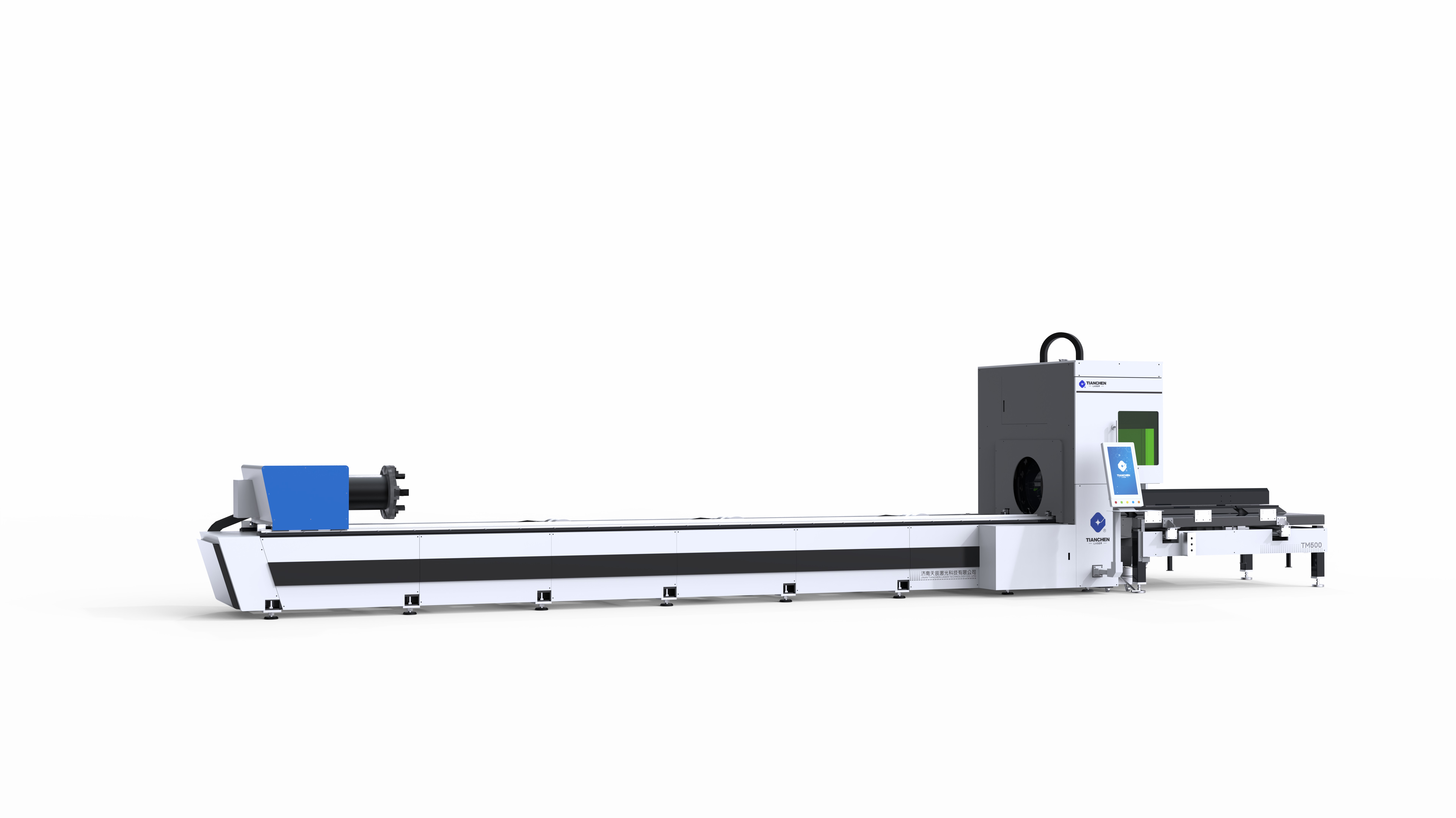
Smart Control Ecosystem: CAM Software, Adaptive Toolpaths, and Real-Time Optimization for Steel Cutting Machines
Feed-Rate Modulation and Kerf Compensation for Consistent Edge Quality on Hardened Steels
AI-driven CAM tools facilitate closed-loop optimizations for cutting steel. In response to real-time resistance measurements for cuts in fully-hardened steel (HRC 45+), the CAM tool will autonomously back the feed from 15% to 30%, avoiding micro-chipping and prolonging the tool's lifespan without impacting the cutting speed. Kerf compensation will adjust the toolpaths 0.01 mm in real time to correct thermal taper and material deflection, maintaining a standard in range for ±0.1 mm on tools-grade steels up to 100 mm. This process marks a reduction of up to 40% in material loss when compared to programming a routine cut.
This CAM tool also monitors both power and gas pressure to optimize cutting, and dynamically adjusts the cutting parameters to reduce dross on stainless alloys. The cutting tool uses historical cutting data to learn and adjust to change the batch of steel, the cutting conditions, and the state of the cutting tools. This allows the cutting tool to change its parameters to cut different jobs without requiring adjustments, making the system operate autonomously.
FAQ Section
What is the importance of choosing the correct gas (O₂ vs. N₂) based on steel?
Choosing the correct gas gives better performance in cutting the steel and keeping the steel in good condition for its end use. For example, oxygen makes cutting mild steel faster, but that gas will leave impurities on the steel. In a steel that is used to make alloys to prevent rust from corroding, oxygen can't be used. In that case, Nitrogen is used and it helps to improve the quality of the edges of the alloy without corroding.
What are the main distinctions in laser, plasma and mechanical steel cutting?
Every method has its benefits. For cutting thin to medium metals, lasers are highly precise. Plasma systems are cutting systems that are effective and more economical for thicker plates. Mechanical options use abrasive waterjets which eliminate heat affected zones and work better with hardened materials.
What is the importance of automation in steel cutting?
Automation helps steel cutting systems work faster as there is less dead time during operations, improves accuracy and reduces manual operations. This increases the amount of work done in a certain time, maintains a certain level of quality and improves safety.
How does adaptive CAM software optimize steel cutting?
Adaptive CAM software allows cutting systems to optimize themselves. It detects cutting errors, and ensures the quality of the edge of the cut is uniform.
What does hybrid automation mean in steel cutting?
This is the manual cutting of steel by combining two or more automation systems to achieve a certain level of flexibility, maintain a high level of productivity, and cut costs. An example is using a plasma system for cutting thicker plates and a laser system for thinner plates.