
 EN
EN
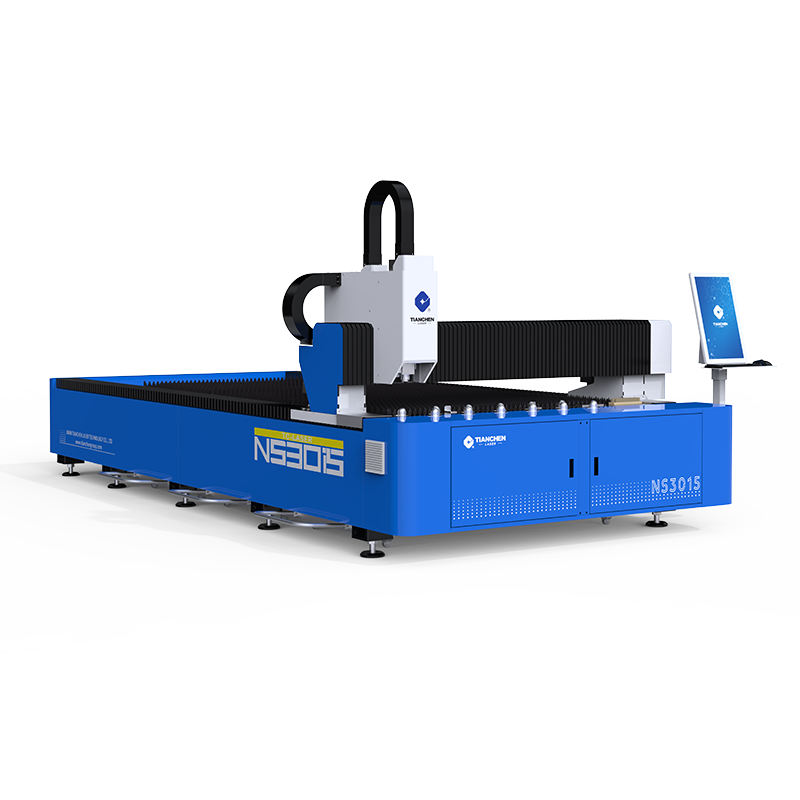
Root Causes of Burrs in Steel Cutting Machine Operations
Material Hardness, Ductility, and Microstructure Effects
Inherent steel material properties are a leading root cause of unwanted burr formation during cutting. More ductile steels undergo greater plastic deformation under cutting force or thermal energy, causing excess material to curl or tear rather than separate cleanly. While harder, lower-ductility steels generally produce smaller burrs, inconsistent grain structure or non-metallic inclusions—such as sulfides or oxides—can still trigger localized, uneven burring. According to 2023 industry data from the Precision Metalworking Association, roughly 35% of unplanned post-cut deburring stems from unaccounted variation in steel composition, hardness, or microstructure.
Steel Cutting Machine Tool Wear, Misalignment, and Calibration Drift
Machine and tool-related issues are another major source of excessive burrs. Blunt or worn cutting edges lose their shearing efficiency, resulting in tearing and material lifting along cut edges. Even new tools can generate burrs if the machine is misaligned: spindle runout exceeding 0.01 mm disrupts chip removal consistency and promotes large, irregular tear burrs. Over time, calibration drift affects cutting depth, focal alignment (in thermal systems), and tool clearance—all increasing burr height and variability. A 2023 manufacturing maintenance report by the National Institute of Standards and Technology (NIST) found that proactive monthly calibration and scheduled tool replacement reduces average burr height by up to 47% across common steel cutting operations.
Burr Characteristics Across Steel Cutting Machine Technologies
Laser vs. Plasma vs. Waterjet: Thermal, Mechanical, and Erosive Burr Signatures
Different steel cutting technologies produce distinct burr signatures—dictating how teams approach prevention and finishing. Thermal methods like laser and plasma generate burrs from solidified molten steel residue. Laser cutting typically yields fine, tightly adhered burrs on thicker stainless steel, often due to assist gas failing to fully eject molten material before cooling. Plasma cutting—used for thick carbon steel—produces larger, irregular bottom-edge burrs as molten slag cools faster than it can be expelled. In contrast, abrasive waterjet cutting is purely mechanical and erosion-based; it produces no thermal residue, so its burrs are small, loose, fibrous protrusions caused by abrasive grain displacement at the cut edge. This fundamental difference means reduction strategies must be technology-specific: thermal processes benefit from precise parameter tuning to control melt flow and ejection, while mechanical processes respond best to optimized abrasive flow rate and cutting speed.
Proactive Burr Reduction Using Steel Cutting Machine Optimization
Parameter Tuning: Speed, Feed Rate, Assist Gas, and Power Control
Optimizing cutting parameters is the most effective proactive step to minimize burr formation. Balancing speed and power prevents both excessive heat buildup (from slow speeds) and incomplete severance (from overly fast passes). For carbon steel laser cutting, using 99.95% pure oxygen as an assist gas increases cutting speed by 30–40%, reducing heat accumulation and associated burr growth. Lowering feed rates also limits plastic deformation at the cut zone: a controlled trial by the American Machinist Institute showed halving feed from 0.2 mm/tooth to 0.1 mm reduced burr size by 50% in steel milling. Maintaining accurate focal point positioning ensures clean shear instead of ragged edge formation—another frequent contributor to burrs.
Fixturing, Support Strategies, and Nozzle/Tool Path Geometry Adjustments
Poor fixturing and suboptimal tool path geometry introduce vibration and workpiece deflection, leading to inconsistent burr formation—especially in high-volume runs. Rigid support for thin steel sheets prevents flexing during cutting, eliminating uneven edge deformation and associated burrs. Adjusting tool path geometry to accommodate material thickness helps mitigate exit-side burrs, which are notoriously difficult to remove and increase post-processing time. Regular nozzle alignment checks ensure consistent assist gas flow and beam focus—critical for preventing erratic cuts and random burr generation. Industrial data compiled by the Fabricators & Manufacturers Association International (FMA) shows that improving fixturing rigidity reduces overall burr occurrence by 45% in routine steel cutting operations.
Efficient Post-Cut Deburring for Steel Parts Produced by Steel Cutting Machines
Even with optimized machine setup, minor burrs remain nearly unavoidable—particularly on ductile or high-toughness steel grades. Post-cut deburring is essential to ensure part safety, dimensional accuracy, and compatibility with downstream assembly or finishing. The optimal method depends on production volume, part geometry, and steel type. For low-volume or simple parts, manual techniques—including fine-grit grinding wheels or handheld carbide deburring tools—offer precision and control. High-volume or complex parts benefit from automated deburring systems, which deliver repeatability, speed, and labor savings. Carbon steel parts respond well to carbon steel wire brushes for aggressive burr removal, while stainless steel parts require stainless steel brushes to prevent iron contamination and corrosion risk. Always wear appropriate personal protective equipment when handling freshly cut steel, as unremoved burrs pose sharp-edged injury hazards. Integrating deburring as a planned, standardized step—not an afterthought—reduces scrap, rework, and delivery delays, aligning with ISO 9001 quality management principles and industry best practices for precision metal fabrication.
FAQs
What are the main causes of burr formation in steel cutting machines?
The primary causes of burrs are material properties like ductility, tool wear or misalignment, and cutting parameter issues. Materials that are too ductile or machines with blunt tools can increase burr size. Miscalibrated settings also play a significant role in exacerbating burrs during cutting operations.
How can I reduce burr formation in steel cutting?
To reduce burrs, optimize cutting parameters such as speed, feed rate, and assist gas flow. Regular machine calibrations, maintaining sharp tools, and implementing proper fixturing and support strategies can significantly reduce burr formation.
What are the differences in burrs produced by laser, plasma, and waterjet cutting?
Laser and plasma cutting create thermal burrs due to molten steel residue, while waterjet cutting generates mechanical burrs without thermal impact. Burr characteristics vary depending on the cutting technology and material type.
Why is post-cut deburring necessary?
Post-cut deburring ensures parts meet safety and dimensional accuracy standards. It also prepares components for downstream processes and eliminates injury risks from sharp burr edges.
What tools are best for post-cut deburring?
The choice depends on production needs. Manual methods like grinding or carbide tools are suitable for small volumes, while automated systems are ideal for high-volume and complex parts. Steel type also dictates the type of brushes or tools that can be used to avoid material contamination.