
 EN
EN
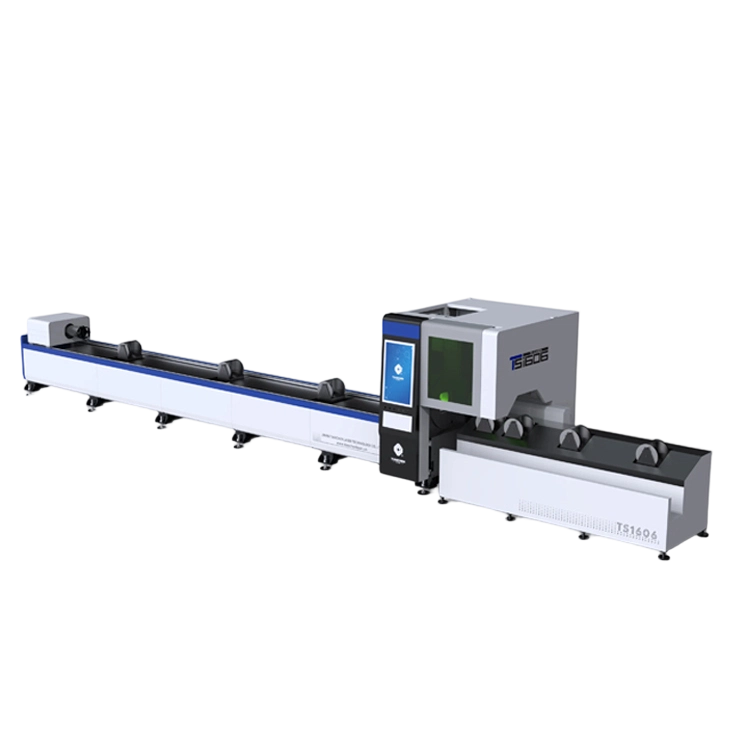
Laser Parameter Optimization for Reflective Metal Cutting
Power Modulation and Pulsed Mode Selection to Suppress Initial Reflection
To overcome high reflectivity in metals like copper and aluminum, begin with controlled power modulation: a gradual ramp-up (10–20% above threshold) prevents sudden beam reflection that can damage optics. Pulsed mode is strongly preferred over continuous wave (CW) for reflective metals—its controlled energy bursts deliver 3–5× higher peak power density, forcing rapid absorption before reflection dominates. According to Fraunhofer ILT (2023), pulsed lasers reduce back-reflection incidents by 78% compared to CW systems.
Pulse Duration and Frequency Tuning for Aluminum vs. Copper Absorption Peaks
Pulse parameters must align with each metal’s thermal and optical response:
- Aluminum: Short pulses (50–200 ns) at high frequency (1–5 kHz) match its rapid thermal conductivity, stabilizing the melt pool and minimizing spatter.
- Copper: Longer pulses (200–500 μs) at lower frequencies (500–800 Hz) engage deeper absorption bands, improving penetration and reducing dross by up to 40% (Journal of Laser Applications, 2023).
| Parameter | Aluminum | Copper |
|---|---|---|
| Pulse Duration | 50–200 ns | 200–500 μs |
| Frequency Range | 1–5 kHz | 500–800 Hz |
| Key Benefit | Melt control | Dross reduction |
Note: Frequencies above 5 kHz risk plasma shielding in aluminum—monitor cut quality closely when approaching this threshold.
Assist Gas Strategies to Enhance Cut Quality and Reduce Back-Reflection
Nitrogen, Argon, and Oxygen: Trade-offs in Oxidation, Dross, and Reflectivity Control
Assist gas selection directly influences cut quality, oxidation, and optical safety. Nitrogen provides oxide-free cuts ideal for aluminum and copper where surface integrity matters most—but its inert nature increases reflectivity, requiring higher laser power for stable coupling. Oxygen enables faster cutting on mild steel via exothermic reactions, yet it forms problematic oxides on copper and stainless steel, often necessitating post-processing. Argon minimizes initial reflectivity during piercing—especially valuable for thick, highly conductive copper—but offers limited dross ejection capability. For copper ≥6 mm, nitrogen purity above 99.95% reduces back-reflection incidents by 40% versus standard industrial-grade gas.
| Gas Type | Best For | Oxidation Risk | Dross Control | Reflectivity Impact |
|---|---|---|---|---|
| Nitrogen | Aluminum, Copper | None | Moderate | High |
| Oxygen | Mild Steel | Severe | High | Low |
| Argon | Titanium, Copper | None | Low | Very Low |
Gas Pressure and Flow Optimization for Stable Piercing in Thick Copper
Stable piercing in thick copper demands precise gas dynamics. For 8–12 mm sheets, pressures of 18–25 bar ensure consistent melt ejection; below 15 bar, molten pool instability increases back-reflection risk. Flow rates exceeding 30 m³/h maintain nozzle cleanliness and reduce lens contamination by 70% (Laser Institute of America safety guidelines). A tapered pressure profile—starting at 22 bar during piercing and settling to 18 bar for sustained cutting—minimizes turbulence in 10 mm copper, improving edge straightness within ±0.1 mm tolerance. Always verify gas dew points remain below –40°C to prevent moisture-induced beam distortion.
Beam Delivery and Process Initiation Techniques for Reliable Laser Cutting
Focal Position Adjustment and Sub-Surface Piercing to Minimize Back-Reflection
Focal positioning is foundational for safe, repeatable cutting of reflective metals. Shifting the focal point 0.5–1.5 mm below the surface concentrates energy where absorption peaks occur—leveraging internal scattering to convert more incident light into heat rather than reflection. Sub-surface piercing complements this by initiating the cut beneath the highly reflective top layer, avoiding the intense initial reflectivity spike that threatens optics. Industry data confirms proper focal adjustment alone reduces back-reflection incidents by 40% compared to surface-level techniques. Both methods require calibrated nozzle distance sensors and real-time monitoring but significantly improve piercing stability and long-term cut consistency.
Surface Preparation and Anti-Reflective Measures for Consistent Laser Cutting
Oxide Layer Management, Cleaning Protocols, and Conductive Coating Applications
Surface condition dictates process reliability. Begin with solvent-based cleaning to remove oils, particulates, and native oxides—contaminants that cause erratic absorption and thermal distortion. For copper and aluminum, controlled oxide removal improves absorption by up to 30% (Journal of Materials Processing, 2023). When needed, apply temporary conductive coatings—such as carbon-based solutions—to suppress reflectivity below 15%. These anti-reflective treatments enable stable beam coupling without residue, preventing optic damage and ensuring uniform kerf geometry across production runs.
FAQ
What is the advantage of using pulsed mode over continuous wave (CW) for cutting reflective metals?
Pulsed mode is preferred for reflective metals as it delivers controlled energy bursts, enabling higher peak power density, which ensures rapid absorption and reduces reflection.
Why is gas pressure and flow rate important in laser cutting?
Proper gas pressure and flow rate ensure consistent melt ejection, minimize turbulence, and reduce back-reflection risk while maintaining nozzle cleanliness and reducing lens contamination.
How does surface preparation improve laser cutting?
Surface preparation removes contaminants that cause erratic absorption and thermal distortion, enhancing absorption and preventing optic damage for stable, uniform cuts.