
 EN
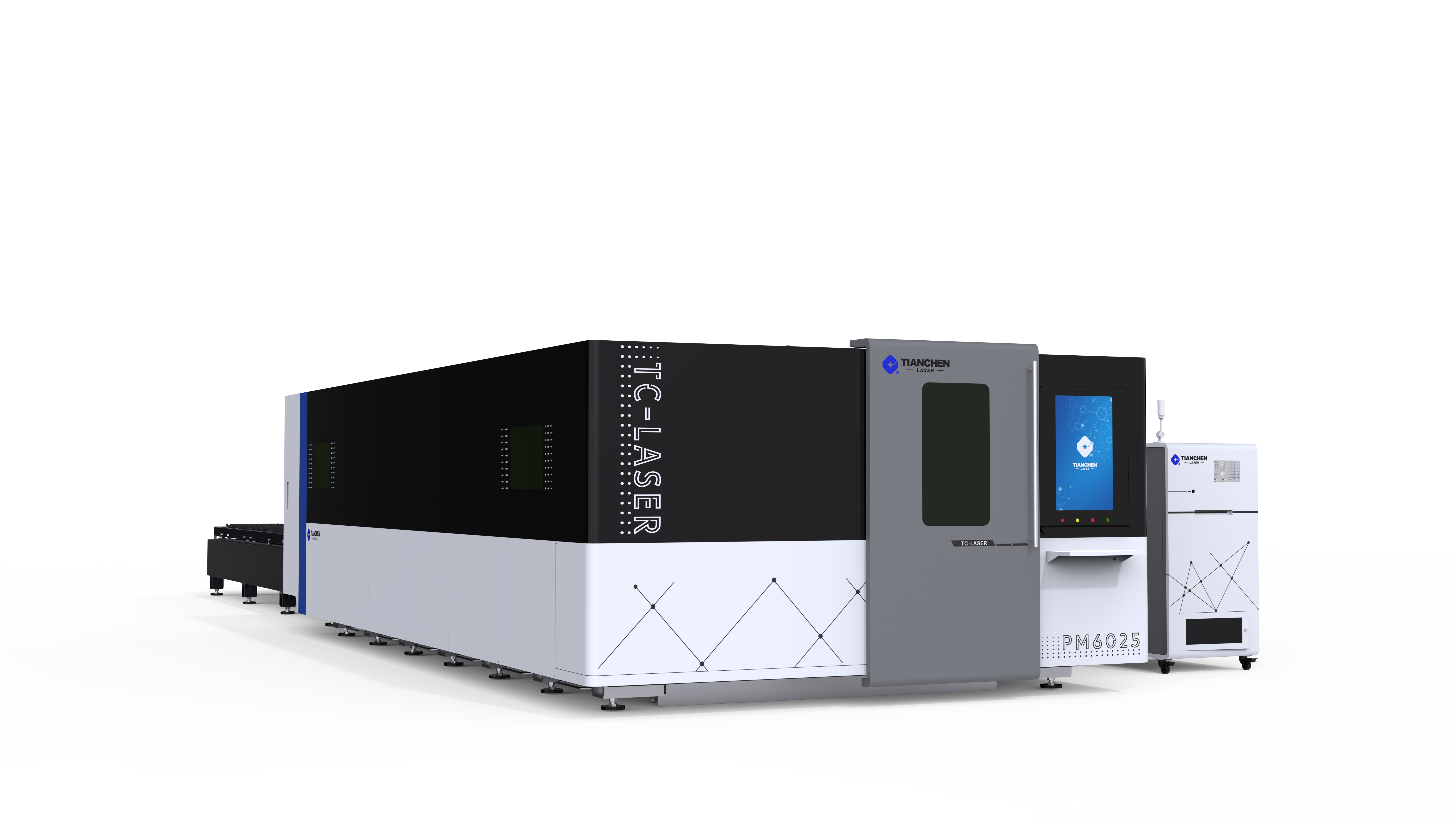
Why Fiber Lasers Are the Optimal CNC Laser Cutter for Metal Engraving
Physics of absorption: 1064 nm fiber laser wavelength vs. metal reflectivity and thermal properties
Fiber lasers emit at 1064 nm—a near-infrared wavelength that bare metals absorb significantly better than the 10.6 µm output of CO₂ lasers. This fundamental advantage allows direct, high-contrast engraving on stainless steel, aluminum, copper, brass, and titanium without chemical coatings or surface pretreatment. Combined with a tightly focused beam—achieving spot sizes under 20 µm—fiber lasers deliver exceptional peak intensity and spatial precision. Nanosecond pulse durations further localize thermal energy, minimizing heat diffusion. The result is a narrow heat-affected zone (HAZ), reduced risk of warping thin-walled components, and consistent depth across fine features like data matrix codes and serial numbers. This synergy of wavelength, focus, and pulse control makes 1064 nm fiber lasers the most reliable and widely adopted CNC laser cutter for metal engraving.
CO₂ laser limitations on bare metals—and when hybrid or coated-metal use cases justify alternatives
CO₂ lasers struggle with bare metals due to high reflectivity at 10.6 µm, making direct engraving inefficient and often requiring oxygen assist, spray coatings, or thin-film overlays. Their practical application on metal is largely confined to anodized aluminum, painted surfaces, or pre-treated substrates. In mixed-material shops where wood, acrylic, or coated aluminum dominate, a CO₂ system may still offer value—especially when paired with a fiber laser in a hybrid workflow: fiber handles demanding bare-metal tasks (e.g., stainless steel and titanium), while CO₂ manages nonmetals and coated parts. But for permanent, high-contrast, deep, or production-grade metal marking, fiber lasers outperform CO₂ in speed, consistency, and process simplicity—operating without assist gases or consumable coatings and demanding less maintenance. CO₂ remains a niche alternative only where coated-metal marking is infrequent and nonmetal processing is primary.
Key Performance Specifications for a Metal-Engraving CNC Laser Cutter
Laser power tiers: 20–50W for annealing/marking vs. 100W+ for deep, high-speed engraving on stainless steel and titanium
Laser power should align directly with your engraving objective. Systems rated 20–50 W excel at annealing and surface marking—producing high-contrast, oxide-based marks on stainless steel and titanium with minimal material removal and low thermal input. Units at 100 W and above enable deeper engraving, faster throughput, and greater versatility across thicker sections and tougher alloys like hardened tool steels or aerospace-grade titanium. While industry offerings now extend to 150 W and beyond (2026), higher power introduces greater thermal load; this must be managed via active cooling, optimized pulse parameters, and robust motion stability—particularly for thin or delicate parts.
| Power tier | Typical use | Materials | Trade-off |
|---|---|---|---|
| 20–50 W | Annealing, surface marking | Stainless steel, titanium | Fine detail; slower deep engraving |
| 100 W+ | Deep, high-speed engraving | Stainless steel, titanium, hardened alloys | Faster throughput; increased heat input |
Choose 20–50 W for high-fidelity, low-impact marking; select 100 W+ when depth, speed, or production volume are critical.
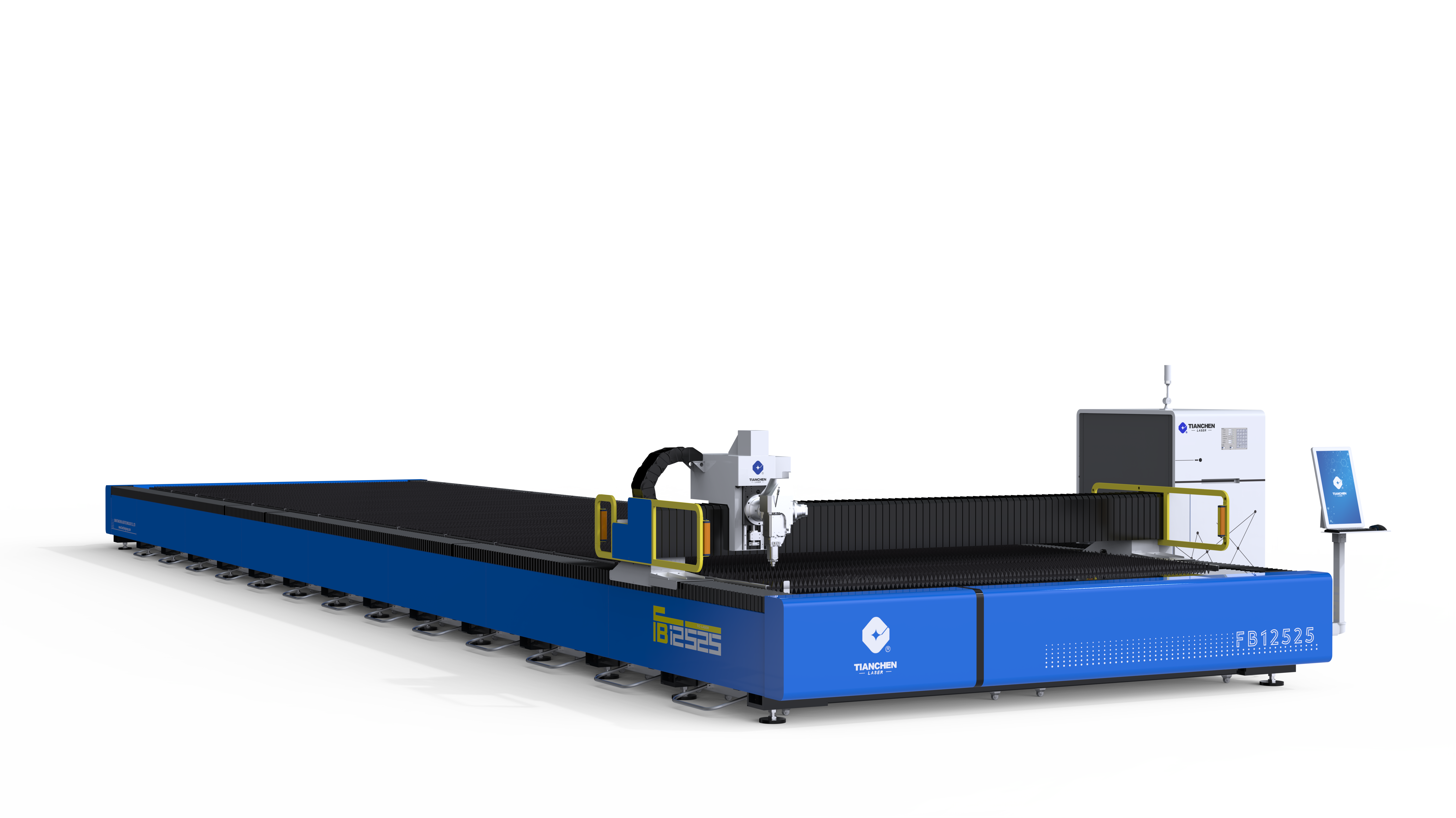
Motion & control essentials: galvo scanning speed/accuracy vs. gantry-based CNC precision (<±5 µm), and why beam delivery stability matters most
Galvo-based systems use high-speed scanning mirrors to position the laser beam, enabling rapid marking over compact areas—ideal for serialization, logos, or part ID on small components. Gantry-driven CNC platforms move the workpiece under a fixed beam, supporting larger beds and offering sub-5 µm positional repeatability on quality machines. Yet beam delivery stability outweighs raw speed or theoretical resolution: even minor thermal drift or mechanical flexure alters spot size and power density, directly affecting line width, depth consistency, and edge definition. A rigid optical path, thermally compensated design, and real-time beam-pointing monitoring ensure stable performance during extended runs. For fine-feature applications—such as medical device traceability or micro-electronics marking—prioritize systems validated for <±3 µm beam pointing stability over time. Match architecture to scale: galvo for speed and small-area throughput; gantry for large-format, high-precision, or step-and-repeat engraving.
Metal Compatibility and Real-World Engraving Performance
Ranking by engraving ease: stainless steel (best), aluminum (requires surface prep or pulse modulation), copper/brass (needs assist gas or coating), titanium (high contrast, low HAZ)
Material response dictates real-world performance more than any spec sheet. Stainless steel leads in engraving ease: strong 1064 nm absorption enables deep, durable marks at moderate speeds and power—often with clean edges and minimal spatter. Aluminum presents challenges due to high reflectivity and thermal conductivity; consistent results typically require anodized surfaces or precise pulse modulation (e.g., burst mode) to limit melt pooling. Copper and brass rank lowest—both highly reflective and thermally conductive—necessitating assist gas (nitrogen or argon), anti-reflective coatings, or significantly reduced speeds to avoid overheating and poor contrast. Titanium occupies a distinctive middle ground: though slightly less absorptive than stainless, it oxidizes predictably under fiber laser exposure, yielding high-contrast, color-rich marks with an exceptionally narrow HAZ. A practical ranking is stainless steel > titanium > aluminum > copper/brass, but alloy composition, surface finish, and desired mark type (annealed, ablated, or colored) all influence optimal parameters. Pre-testing each material on the target system remains essential for production validation.
Practical Selection Criteria for Buyers of CNC Laser Cutters for Metal
Begin selection by defining your core material set and maximum thickness—not just for cutting, but for engraving. A 50 W fiber laser suffices for annealing and surface marking on stainless steel up to 3 mm, but deep engraving into 6 mm titanium or high-volume stainless batches benefits from ≥100 W and integrated chillers. Beyond power, evaluate production context: prototyping labs may prioritize flexibility and ease of setup, while high-mix, high-volume lines demand galvo speed, beam stability under duty cycle, and automation-ready interfaces. Efficiency also matters—fiber lasers achieve 30–40% wall-plug efficiency versus ~10–15% for CO₂ (industry benchmark, 2026), meaning lower energy cost per engraved part over time. Finally, confirm compliance with Class 1 safety enclosures, integrated fume extraction rated for metal particulates, and access to certified field service—critical for minimizing downtime and ensuring operator protection.
| Selection factor | Key question | Why it matters |
|---|---|---|
| Material & thickness | What alloys, coatings, and gauges will you run? | Determines minimum power, required assist gas, and suitability of 1064 nm wavelength. |
| Production volume | How many parts per shift require marking or engraving? | Drives choice between galvo (high-speed, small area) and gantry (large format, high repeatability). |
| Precision needs | What dimensional tolerance and edge contrast are required? | Separates light surface marking from deep, metrology-grade engraving—dictating motion architecture and beam control. |
| Operating cost | What is wall-plug efficiency and maintenance interval? | Higher fiber efficiency and solid-state reliability reduce long-term cost per part and total cost of ownership. |
| Safety & support | Is an enclosed work area and local service available? | Ensures regulatory compliance, operator safety, and rapid resolution of issues during production. |
FAQ Section
What makes fiber lasers better than CO₂ lasers for metal engraving?
Fiber lasers emit at a 1064 nm wavelength, which metals absorb more efficiently than the 10.6 µm wavelength of CO₂ lasers. This leads to higher precision, less heat diffusion, and minimal distortion during engraving.
What materials are best suited for fiber laser engraving?
Stainless steel, titanium, aluminum (with preparation), and coated metals. Fiber lasers excel on metals due to their wavelength and focused beam.
What power level should I choose for metal engraving?
20–50 W is recommended for annealing and surface marking, while 100 W or higher is ideal for deep engraving, faster throughput, and tough materials.
How does a galvo system differ from a gantry system for laser engraving?
Galvo systems use high-speed mirrors, offering faster marking on small areas, while gantry systems provide greater positional accuracy and support larger-scale engraving tasks.
Are fiber lasers more cost-effective in the long term?
Yes, due to higher wall-plug efficiency (30–40%) compared to CO₂ lasers (~10–15%) and lower maintenance requirements.