
 EN
EN
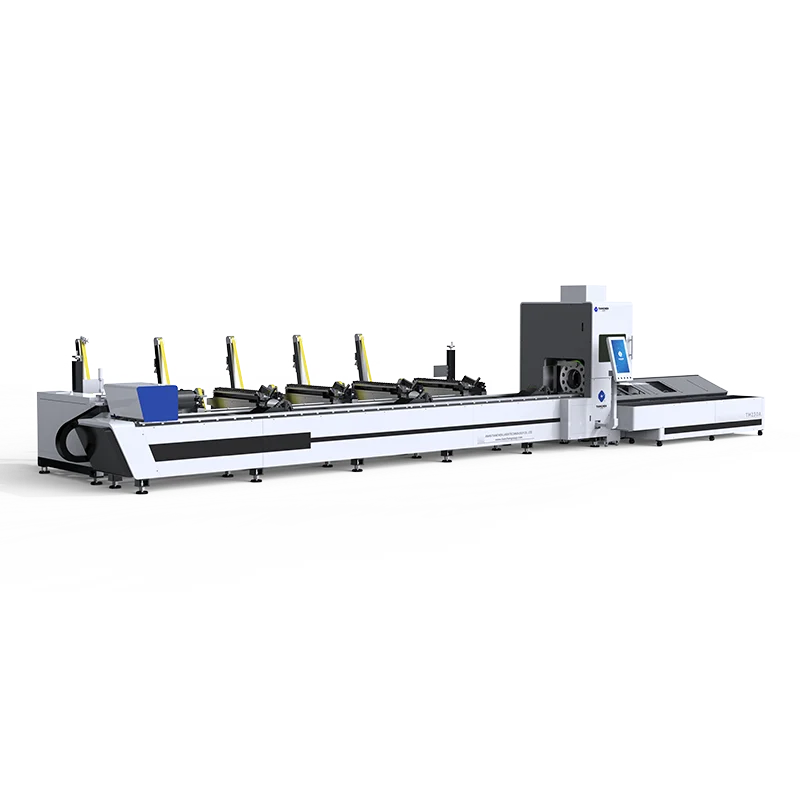
High Speed CNC Engraving Machine for Mass Marking
A manufacturer of automotive components needed to mark serial numbers on 10,000 aluminum parts per week. The existing marking process—manual stamping—took 45 seconds per part and required frequent tool changes. The operator fatigue rate was high, and the error rate was unacceptable. The manufacturer installed a high speed CNC engraving machine. Cycle time dropped to 8 seconds per part. Error rate fell to near zero. The machine paid for itself in five months.
Mass marking of metal parts is a demanding application. It requires speed, precision, and consistency across thousands or millions of parts. A high speed CNC engraving machine delivers all three—with the added benefits of automation and data integration.
What Makes a CNC Engraving Machine High Speed?
A high speed CNC engraving machine differs from standard engraving equipment in several ways:
Spindle speed. High-speed spindles operate at 30,000–60,000 RPM or higher. This allows the cutting tool to remove material quickly while maintaining surface quality. Some CNC engraving machines reach 90,000 RPM for fine detail work.
Rapid traverse rates. The machine moves quickly between engraving positions. Rapid traverse rates of 30–50 meters per minute are common on high speed CNC engraving machines, reducing non-cutting time.
Acceleration and deceleration. High-speed machines accelerate and decelerate quickly, minimizing cycle time on parts with multiple engraving features.
Rigid construction. High-speed machining generates high forces. A CNC engraving machine designed for speed must have a rigid frame and precision linear guides to maintain accuracy at high feed rates.
Spindle Speed and Tool Selection
The spindle speed of a CNC engraving machine determines the cutting speed and surface finish. Higher speeds allow smaller diameter tools to cut efficiently. For fine engraving with a 0.5mm or 1mm ball end mill, 30,000–50,000 RPM is typical. For larger features or roughing passes, lower speeds may be appropriate.
Tool selection is critical on a CNC engraving machine. Carbide tools with specialized coatings—TiAlN, TiCN, or diamond-like carbon—extend tool life on abrasive materials like aluminum and steel. The tool geometry must match the application: V-bits for deep engraving, ball end mills for 3D contours, and end mills for pocketing and slotting.
A high speed CNC engraving machine with automatic tool changing capability switches between tools without operator intervention, reducing cycle time on complex parts.
Mass Marking Applications
A high speed CNC engraving machine serves multiple mass marking applications:
Serial numbers and date codes. Automotive, aerospace, and medical device manufacturers mark unique identifiers on every part. A CNC engraving machine with data integration reads the serial number from a database and engraves it automatically.
Logos and branding. Consumer products and industrial components carry brand logos and part numbers. A high speed CNC engraving machine produces consistent, high-quality logos on every part.
QR codes and data matrix codes. Two-dimensional codes store more information than text and are readable by automated inspection systems. A CNC engraving machine with the right tool and parameters engraves readable codes on metal surfaces.
Instructional text. Parts that require assembly or maintenance often carry instructional text. A high speed CNC engraving machine marks clear, legible text that withstands wear and environmental exposure.
Automation for Mass Production
A high speed CNC engraving machine becomes truly productive when integrated into an automated production line. Key automation features include:
Part fixturing. Custom fixtures hold parts securely during engraving. Quick-change fixtures reduce setup time between batches. A CNC engraving machine with automated fixturing handles parts of varying sizes with minimal operator intervention.
Pallet changers. Multiple pallets allow the CNC engraving machine to engrave one set of parts while the operator loads another set. This reduces machine idle time and increases throughput.
Robotic loading. For fully automated production, robots load and unload parts from the CNC engraving machine. This eliminates manual handling and allows the machine to run unattended.
Data integration. The CNC engraving machine reads part data from the production management system and engraves the correct information on each part. No manual data entry means no errors.
Precision and Accuracy in Mass Marking
Mass marking on a CNC engraving machine demands consistent precision across thousands of parts. Key factors include:
Positional accuracy. The machine must position the tool to within ±0.01mm to ensure consistent engraving depth and location. Precision linear guides and high-resolution encoders provide this accuracy.
Depth control. Engraving depth must be consistent across all parts. A CNC engraving machine with automatic tool length measurement and compensation adjusts for tool wear, maintaining consistent depth throughout production.
Surface finish. The engraved surface must be clean and legible. Sharp tools, appropriate speeds and feeds, and proper coolant or air blast produce high-quality engraving on a CNC engraving machine.
A Real-World Example: High-Volume Automotive Marking
An automotive supplier produced 50,000 aluminum housings per month for an electric vehicle manufacturer. Each housing required a data matrix code for traceability. The supplier used a high speed CNC engraving machine with an automatic pallet changer and data integration.
The CNC engraving machine engraved each housing in 6 seconds. The pallet changer held 20 parts, allowing 2 minutes of unattended operation between pallet changes. The data integration system pulled the correct serial number from the production database for each part, eliminating data entry errors.
The high speed CNC engraving machine operated 20 hours per day, five days per week, with one operator managing the machine and three other processes. The error rate was 0.02%—compared to 1.5% with the previous manual process. The machine paid for itself in eight months.
Frequently Asked Questions
What is a high speed CNC engraving machine?
A high speed CNC engraving machine is a computer-controlled machining system designed for rapid, precise engraving of text, numbers, logos, and codes on metal and other materials. It features high spindle speeds (30,000–60,000+ RPM), rapid traverse rates, and rigid construction for accuracy at speed.
What materials can a CNC engraving machine mark?
A high speed CNC engraving machine marks aluminum, steel, stainless steel, brass, copper, titanium, and various alloys. With appropriate tools and parameters, it also engraves plastics, composites, and wood.
How fast is a high speed CNC engraving machine?
Engraving speed depends on the material, tool size, and feature complexity. Typical cycle times range from 2–15 seconds per part for serial numbers and codes. A high speed CNC engraving machine with automation marks thousands of parts per day.
What is the difference between engraving and marking?
Engraving removes material to create a recessed feature. Marking includes engraving as well as other processes like laser marking, dot peening, and ink printing. A CNC engraving machine produces durable, permanent markings that withstand wear and environmental exposure.
Can a CNC engraving machine engrave QR codes?
Yes. A high speed CNC engraving machine with the right tool and parameters engraves readable QR codes and data matrix codes on metal surfaces. The codes are durable and scannable by automated inspection systems.
How is a CNC engraving machine automated for mass production?
Automation features include pallet changers for continuous operation, robotic loading and unloading, quick-change fixturing, and data integration for automatic serial number assignment. A high speed CNC engraving machine with these features runs unattended for extended periods, maximizing throughput.